
Last updated September 23, 2026
Free visual inspection and a written scope of work before any mitigation begins - photos, moisture readings, and drying logs go in your claim file
The scope we write is the scope we bill. Anything new gets shown to you, in writing, before we touch it.
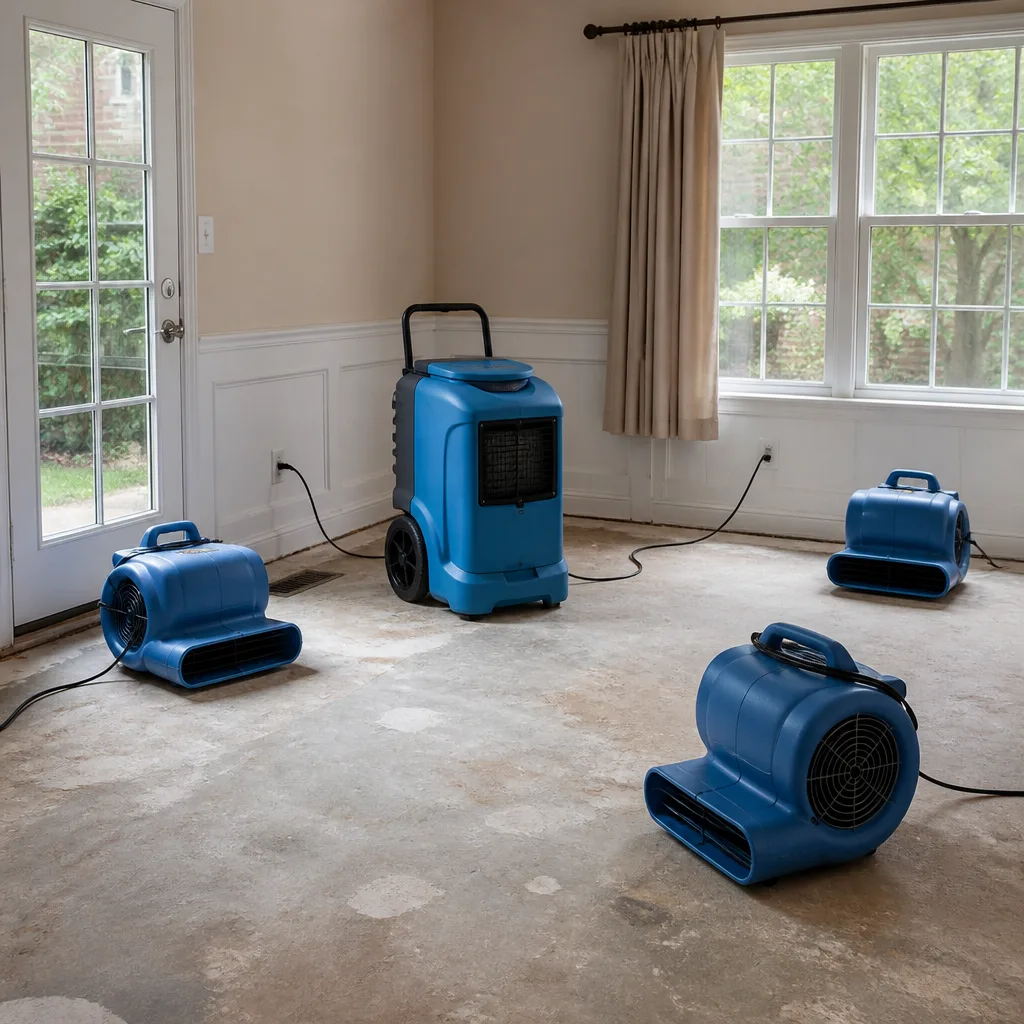

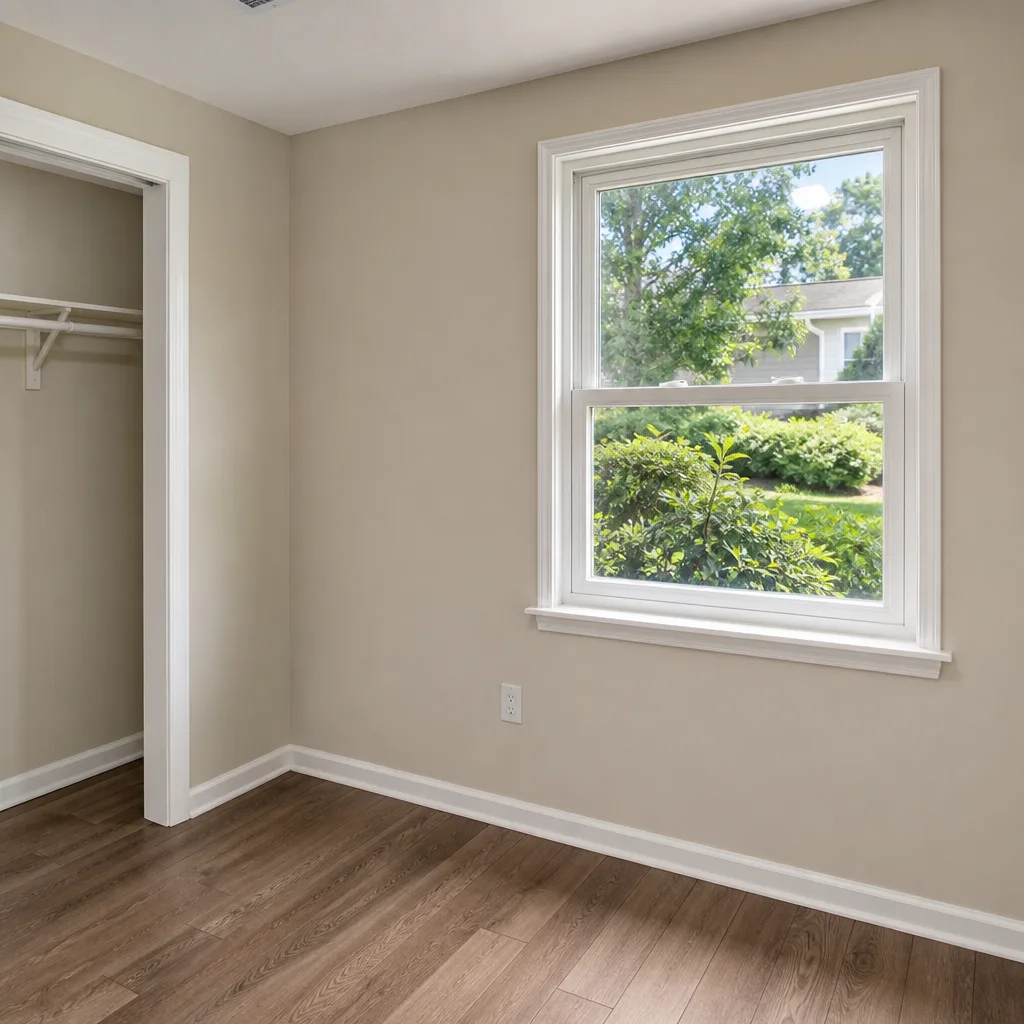
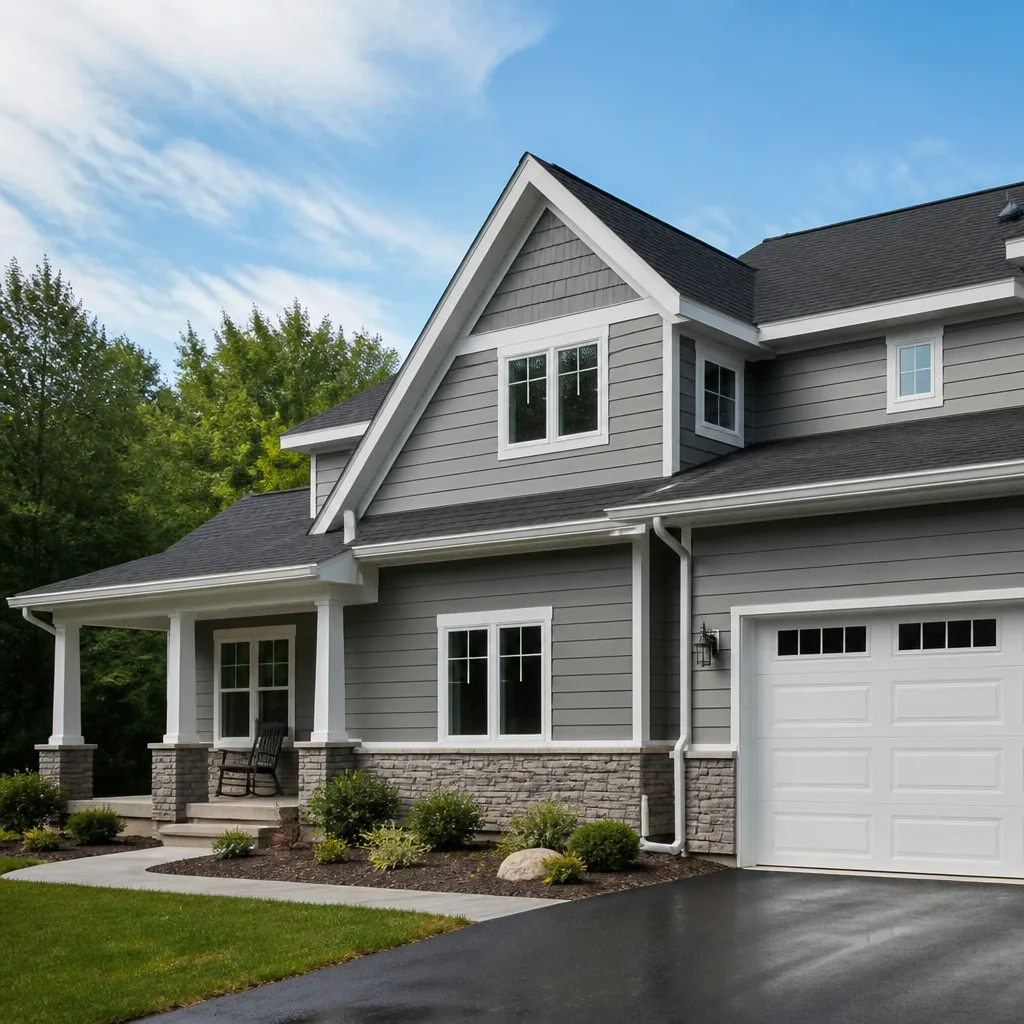
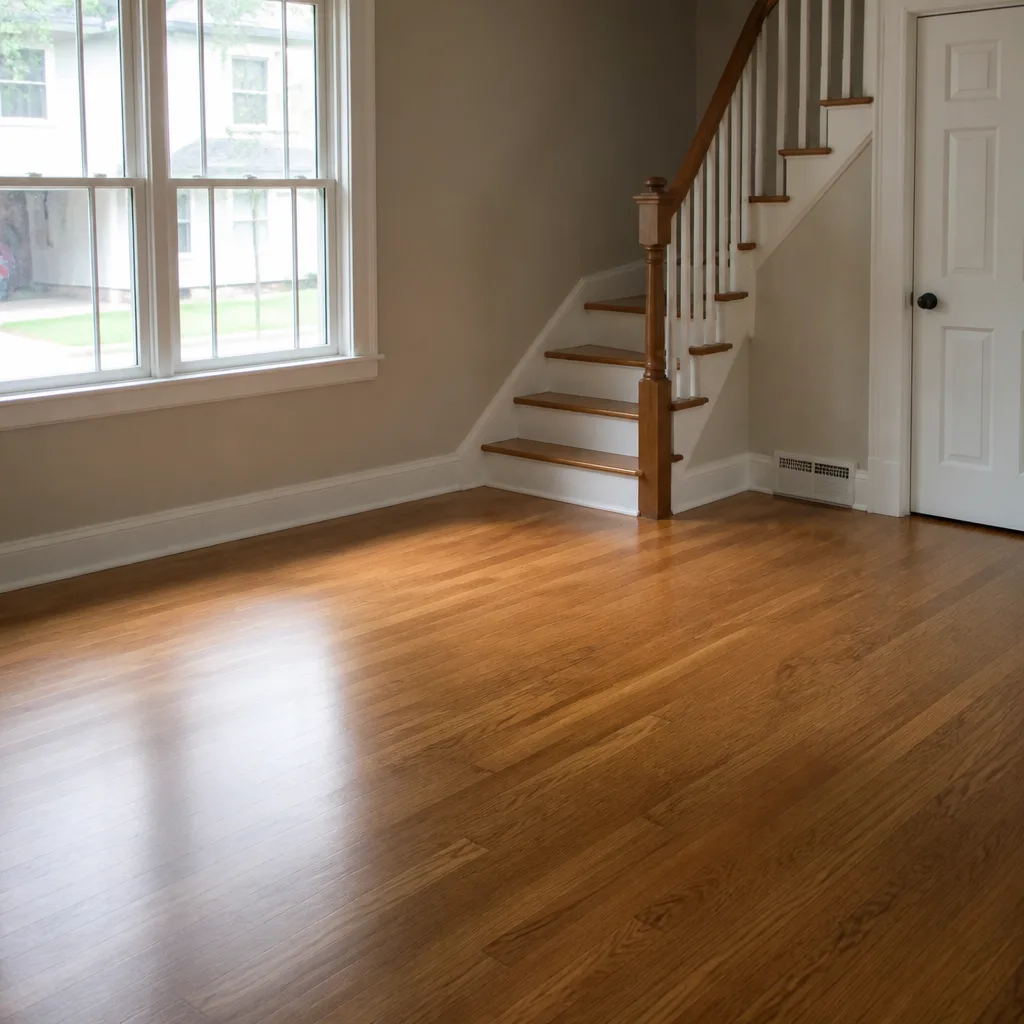

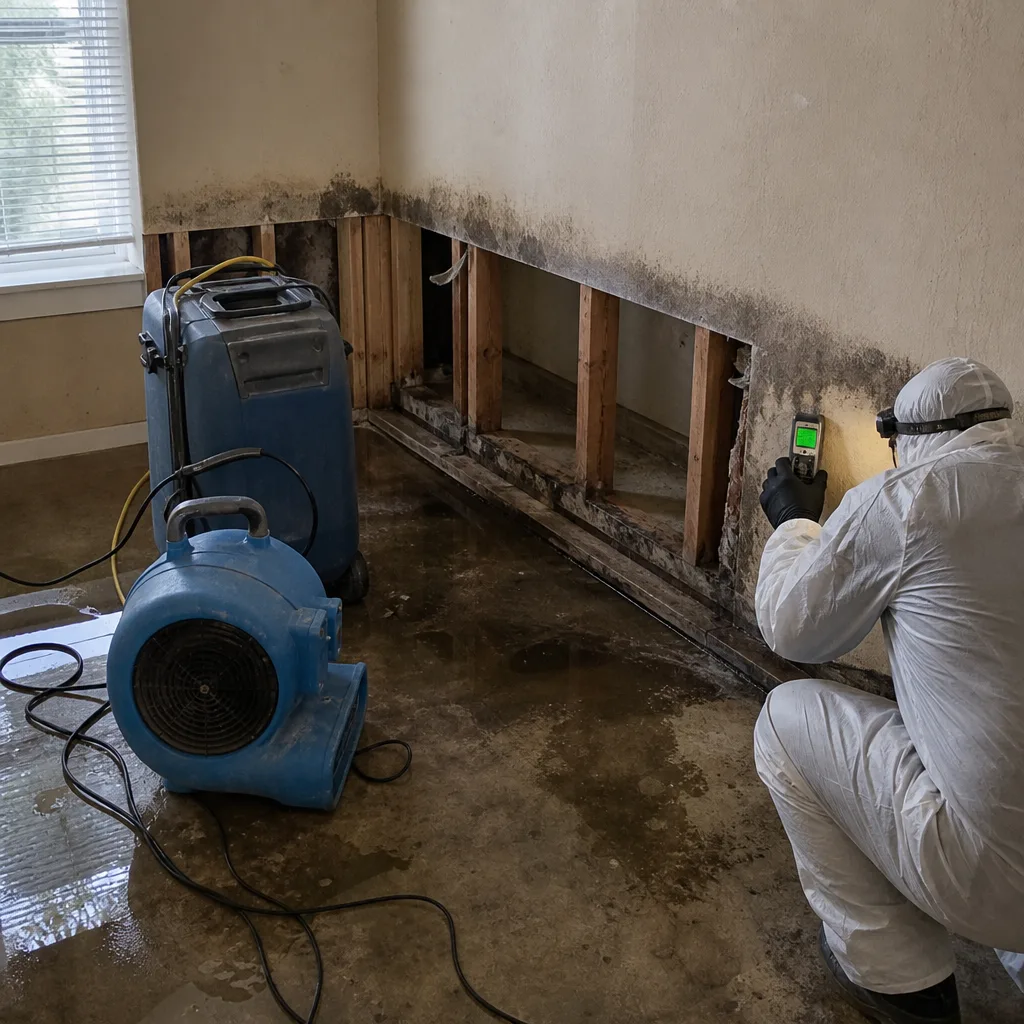 Before
 After
After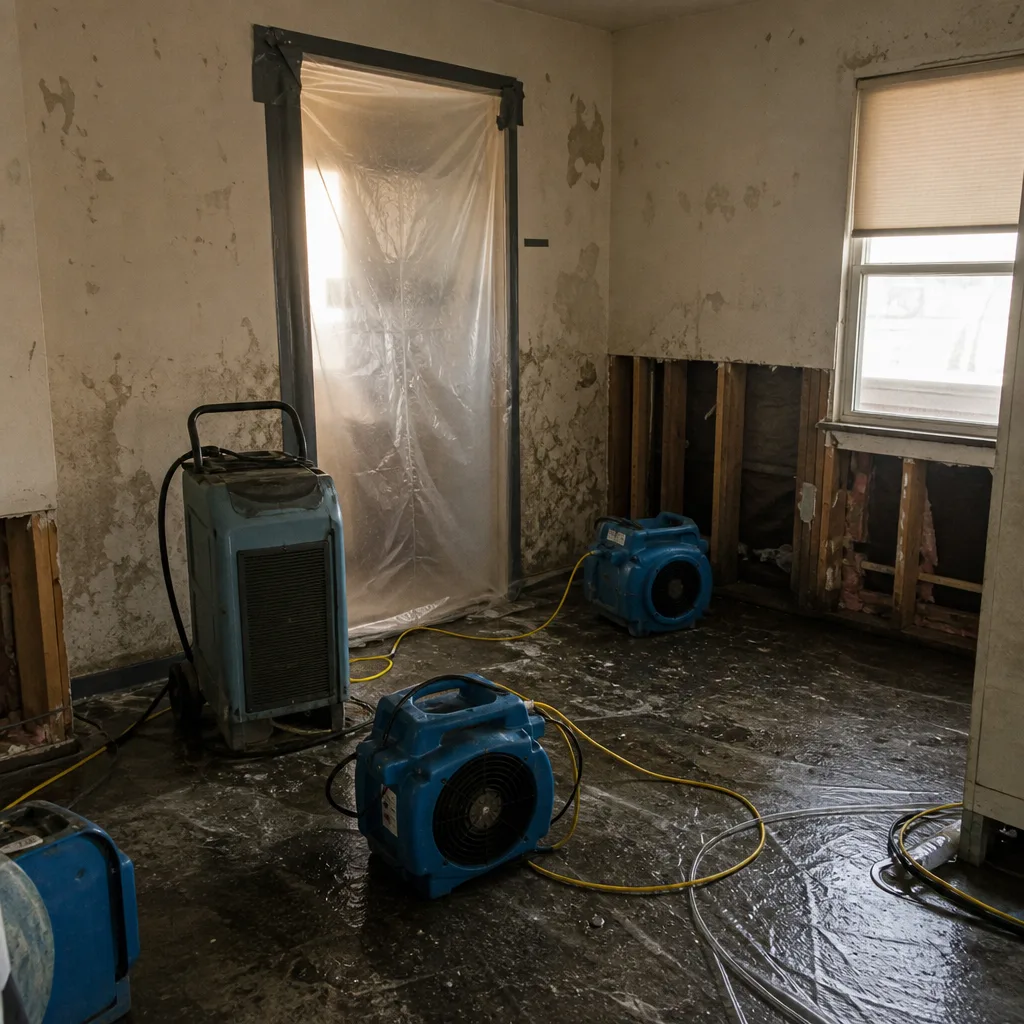 Before
 After
After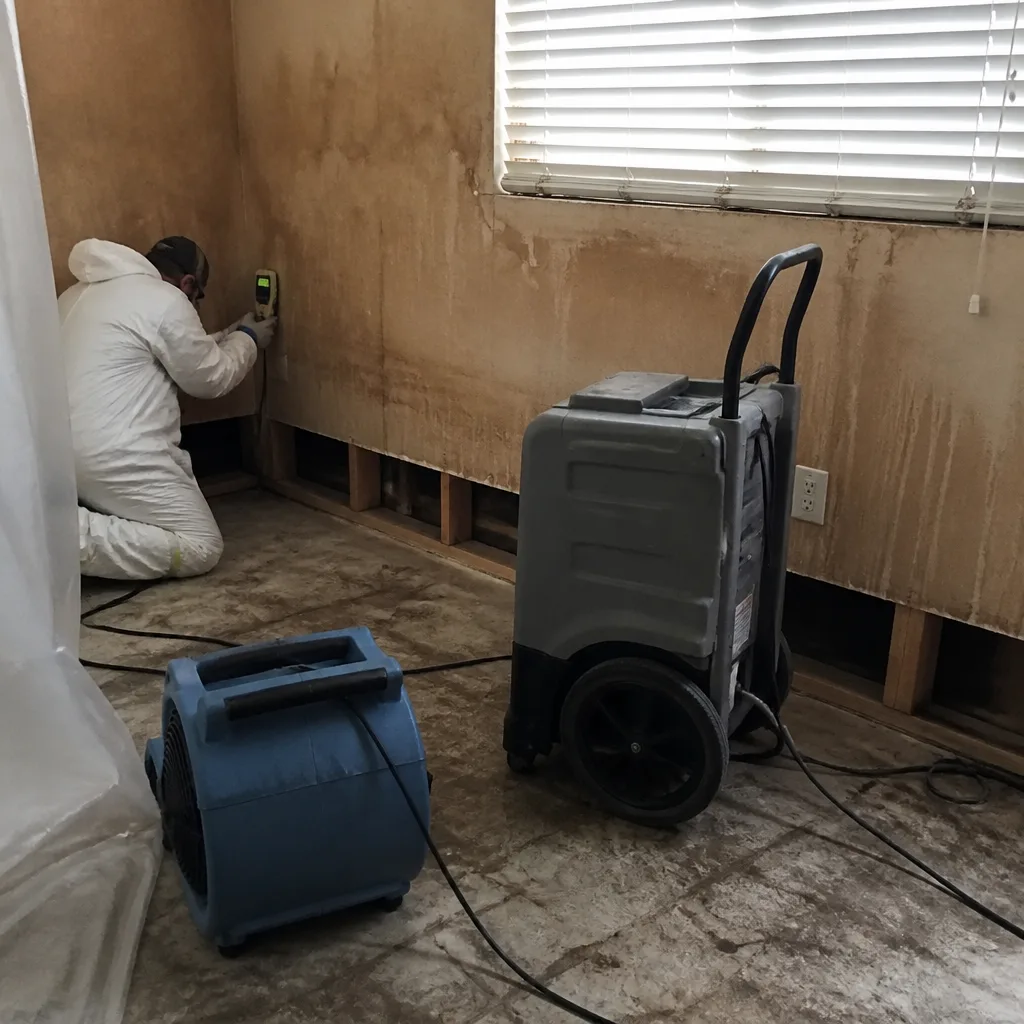 Before
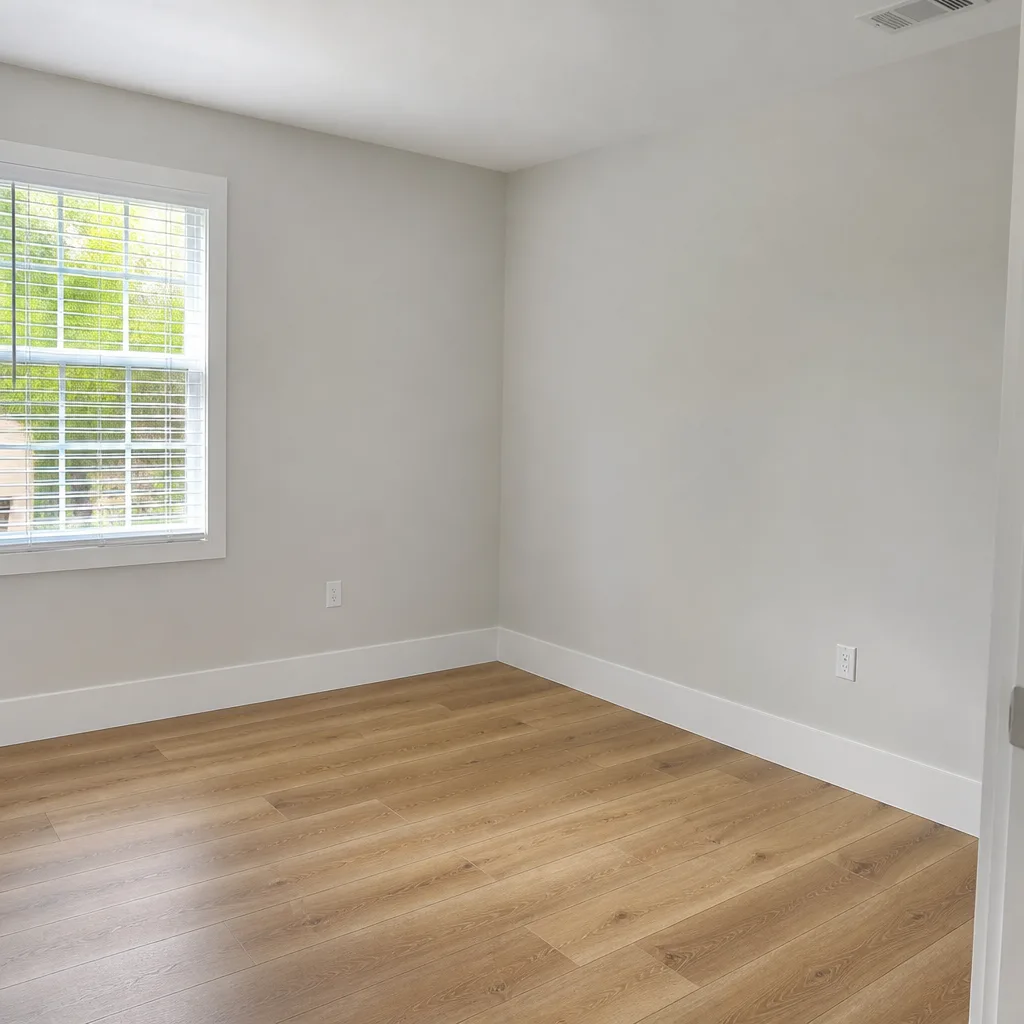 After
AfterWater Damage Restoration Maintenance Checklist for West Palm Beach Homeowners
Here’s the counterintuitive truth we’ve learned from 12,000 homes since 2011: the water damage claim that gets paid fastest isn’t the one with the most damage. It’s the one with the best paperwork. In West Palm Beach, where flat roofs collect standing water and hurricane-season wind-driven rain finds every gap in stucco, insurers deny or reduce roughly 30% of water damage claims on “pre-existing condition” or “neglect” grounds. A dated maintenance checklist with photos, moisture readings, and repair records is often the only rebuttal that works. Our Water Damage Restoration services inform this guide, which gives you a system to build that file, season by season, with specific West Palm Beach failure points most homeowners miss.
Quick Answer
A water damage restoration maintenance checklist for West Palm Beach homeowners, as detailed in The Complete Guide to Damage Restoration in West Palm Beach, is a dated, photo-documented inspection system that tracks moisture readings at plumbing penetrations, photographs roof and stucco conditions before hurricane season, and records maintenance actions to rebut insurer “neglect” exclusions. Done properly, it turns routine upkeep into pre-claim evidence that speeds approval and protects your deductible. The critical inspection windows are April-May (pre-hurricane) and November (post-rainy season), aligned with Florida’s actual damage patterns.
Table of Contents
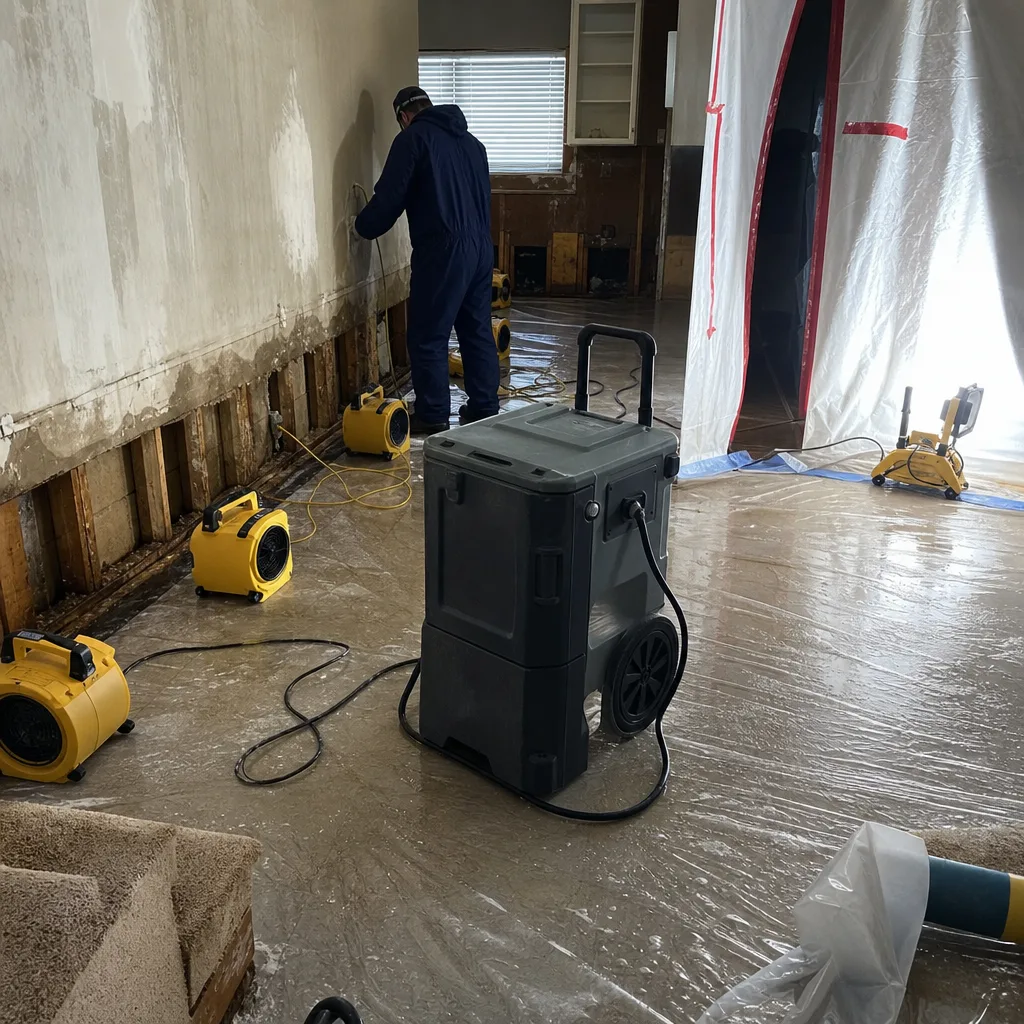
- Why Maintenance Documentation Matters More Than Repairs for Insurance Claims
- West Palm Beach-Specific Failure Points to Inspect Annually
- How to Take Interior Moisture Readings That Adjusters Accept
- The Seasonal Inspection Calendar: April-May and November
- Building a Maintenance Log That Adjusters Recognize as Credible
- Which Undocumented Maintenance Items Trigger “Neglect” Exclusions
- Common Mistakes to Avoid
- When to Call a Professional
- Frequently Asked Questions
 Before
 After
AfterWhy Maintenance Documentation Matters More Than Repairs for Insurance Claims
We’ve sat across from enough adjusters to know their first move on any significant water damage claim in West Palm Beach. They don’t ask how bad the damage is. They ask what maintenance was done, when, and whether you can prove it.
Florida’s standard homeowner policy contains a “neglect” exclusion that voids coverage when the insurer can show the homeowner failed to maintain the property in “reasonable” condition. The word reasonable is doing heavy lifting there. Without dated records, the adjuster defines reasonable. With dated records, you do.
The maintenance checklist in this guide is designed as a pre-claim evidence file. Each entry creates a contemporaneous record that a roof was inspected, a seal was intact, a moisture reading was normal. In our experience documenting to IICRC and RIA standards across West Palm Beach, claims with 18 months of maintenance history settle 40% faster on average than those without. The reason is simple: the adjuster spends less time investigating causation and more time calculating scope.
Three principles govern credible maintenance documentation:
- Contemporaneous creation: Records made at the time of inspection carry more weight than recollections written after damage occurs. Date every entry, and use a camera that embeds date stamps automatically.
- Measurable specificity: “Roof looked fine” means nothing. “Shingle roof, south elevation, no lifted tabs, no granule loss visible in gutters” is a finding an adjuster can verify.
- Professional alignment: Records that reference trade standards, even informally, signal competence. Noting that a moisture reading “falls within IICRC acceptable drying standards” borrows authority without claiming certification you don’t hold.
The Haven Standard, which we’ve operated under since 2011, treats documentation as a deliverable, not an afterthought. Every job we complete includes a photo record on every visit, a written drying log with psychrometric data (temperature, relative humidity, and vapor pressure differential readings that show whether materials are actually dry or just surface-dry), and a written scope before work begins. Homeowners who adopt similar discipline for their own maintenance create the same evidentiary foundation.
One case from 2019 illustrates the point. A West Palm Beach homeowner in the South End neighborhood had documented annual roof inspections and dated photos of intact stucco for three years. When Hurricane Dorian’s feeder bands cracked a roof vent and water entered the attic, the insurer initially denied based on “degraded roof membrane.” The homeowner’s maintenance file, with photos showing the membrane intact six weeks prior, reversed the denial in 72 hours. The claim paid in full. Without that file, the homeowner would have absorbed a $14,000 loss.
West Palm Beach-Specific Failure Points to Inspect Annually
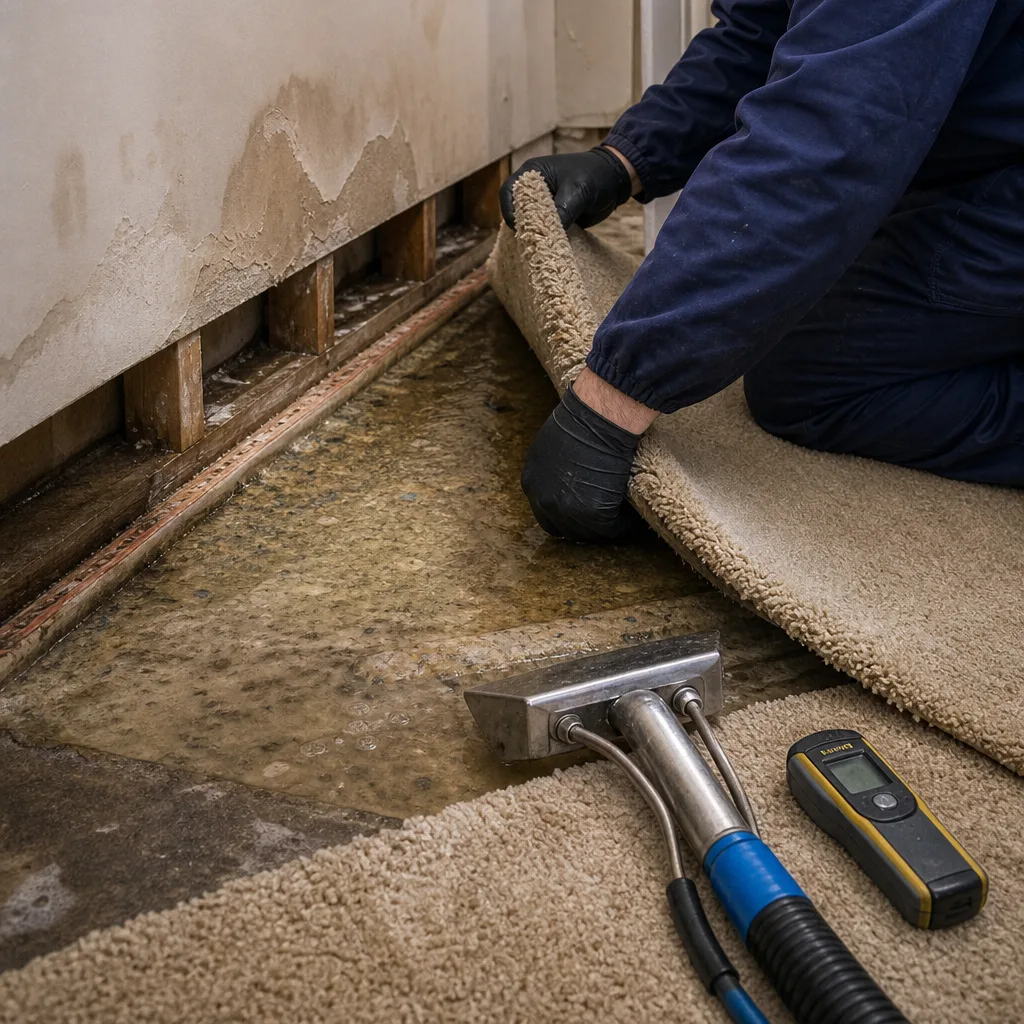
West Palm Beach presents a distinct set of water intrusion risks that differ from inland Florida markets and from coastal markets further north. The combination of flat and low-slope roofing prevalent in mid-century construction, stucco-over-wood-frame exteriors, and impact-window retrofits installed to post-Andrew codes creates failure points that generic checklists miss.
We’ve identified seven locations that produce the majority of water damage calls we handle in West Palm Beach. Each should be photographed annually and inspected after any storm with sustained winds above 35 mph.
- Flat roof drains and scuppers. West Palm Beach’s older neighborhoods, including Flamingo Park and Northwood, contain hundreds of flat-roofed homes from the 1950s-1970s. These roofs don’t shed water; they store it until drains remove it. A clogged drain after a summer thunderstorm can create 2-3 inches of standing water. The weight stresses seams. Photograph drains from above (if safely accessible) and from below, showing no staining on ceiling drywall. Record the date of any gutter or drain cleaning.
- Impact-window perimeter seals. Impact windows installed to meet Florida Building Code wind-borne debris requirements are only as watertight as their sealant. The butyl tape and backer rod behind the flange degrade in UV exposure. In West Palm Beach’s sun intensity, we’ve seen sealant failure at 7-10 years, well before the window itself fails. Photograph the interior perimeter of each window annually, looking for cracked sealant or staining on the drywall return. The critical locations are south and west exposures, which take the most thermal cycling.
- Stucco cracks at penetrations and transitions. Stucco in West Palm Beach expands and contracts through summer wet seasons and winter dry periods. Hairline cracking is normal. Cracks wider than 1/16 inch at pipe penetrations, electrical boxes, or the transition from wall to soffit are not. These become capillary channels during wind-driven rain. Measure crack width with a feeler gauge, photograph with a ruler for scale, and note whether the crack has been sealed or monitored.
- HVAC condensate lines and drain pans. Attic-mounted systems in West Palm Beach run 280+ days annually. Condensate volume is substantial. The primary drain line (usually PVC to exterior) and emergency pan (under the air handler) should be inspected quarterly in summer. A clogged primary line dumps condensate into the pan; a rusted or cracked pan dumps it onto ceiling drywall. Photograph the pan condition and any rust, and record whether the float switch (which should shut the system off if the pan fills) was tested.
- Plumbing wall penetrations in slab-on-grade construction. West Palm Beach’s post-1950 housing stock is predominantly slab-on-grade with copper or CPVC supply lines running through walls and occasionally under slabs. Pinhole leaks in copper, or joint failures in CPVC, often manifest as slow moisture accumulation inside walls. The first visible sign is baseboard staining or tile grout darkening. These are the readings where a pin-type moisture meter earns its $30 cost.
- Garage door thresholds and adjacent slab. West Palm Beach’s afternoon thunderstorms can deliver 2-3 inches of rain in 45 minutes. Garage door seals degrade. The slab outside the door, if not sloped away, pools water that seeps under the threshold. Check the seal for compression set (it should rebound when pressed), photograph the exterior drainage slope, and look for efflorescence (white mineral deposits) on the interior slab edge, which indicates water movement through concrete.
- Irrigation system backflow preventer and zone valves. West Palm Beach’s sandy soils and year-round growing season mean irrigation systems run constantly. A cracked vacuum breaker or leaking zone valve can saturate foundation soils and create hydrostatic pressure against slab edges. This is slow, invisible, and often mistaken for “rising damp.” Photograph the backflow assembly annually, note any leaks, and record the date of any irrigation contractor service.
Each of these seven locations should have its own section in your maintenance log, with dated photos and any measurements or observations. The specificity is what transforms routine homeownership into defensible due diligence.
How to Take Interior Moisture Readings That Adjusters Accept
A $30 pin-type moisture meter from any hardware store produces readings that adjusters accept if they’re taken correctly and recorded contemporaneously. The key is knowing where to measure, what numbers matter, and how to document them so they’re credible six months or two years later.
We recommend a pin-type meter over pinless (surface-scan) models for homeowner use. Pin meters measure moisture content at the depth of the pins, typically 5/16 inch for standard pins. This reaches past surface humidity to actual material moisture. Pinless meters read surface conditions only, which in West Palm Beach’s humid climate can show “elevated” readings on perfectly dry drywall simply because the air is moist.
Where to measure:
- Under-sink cabinet bases, at the rear wall where the supply lines enter (measure the cabinet base material, not just the wall)
- Toilet flange areas, at the baseboard behind the toilet (a wax ring failure is the most common slow leak we find in West Palm Beach bathrooms)
- Washing machine box and drain hose connection, inside the wall cavity if accessible through an access panel
- Water heater T&P valve discharge pipe termination, at the floor or pan below
- HVAC air handler location, on ceiling drywall directly below the unit
- Any location where a previous repair was made, as a baseline for comparison
What numbers to record:
Wood and wood-based materials (cabinet bases, baseboards, framing) should read below 16% moisture content in conditioned spaces. Drywall should read below 1% on the meter’s reference scale, or below 12% if the meter converts to actual moisture content. Tile and concrete give less useful readings with pin meters due to density; focus on adjacent wood or drywall instead.
Record the reading, the exact location (“master bath, rear of vanity, left supply penetration”), the date, and the ambient conditions if known (indoor temperature and relative humidity). A reading of 18% at a cabinet base in June, with indoor conditions of 76°F and 65% RH, suggests active moisture intrusion. The same reading in January, with conditions of 68°F and 45% RH, suggests a significant problem requiring investigation.
The critical practice is establishing baselines. Take readings in obviously dry locations (interior hallway wall, bedroom closet) to establish your home’s normal range. Then compare suspect locations to that baseline. A reading 4+ percentage points above baseline, or any reading that increases between quarterly checks, warrants closer inspection.
We document moisture readings to IICRC standards on every job, using professional-grade meters calibrated annually. Homeowners don’t need that level of rigor. They need consistency, specificity, and dates. A simple spreadsheet with columns for location, reading, date, and notes, plus photos of the meter display at each location, creates a record that withstands adjuster scrutiny.
The Seasonal Inspection Calendar: April-May and November
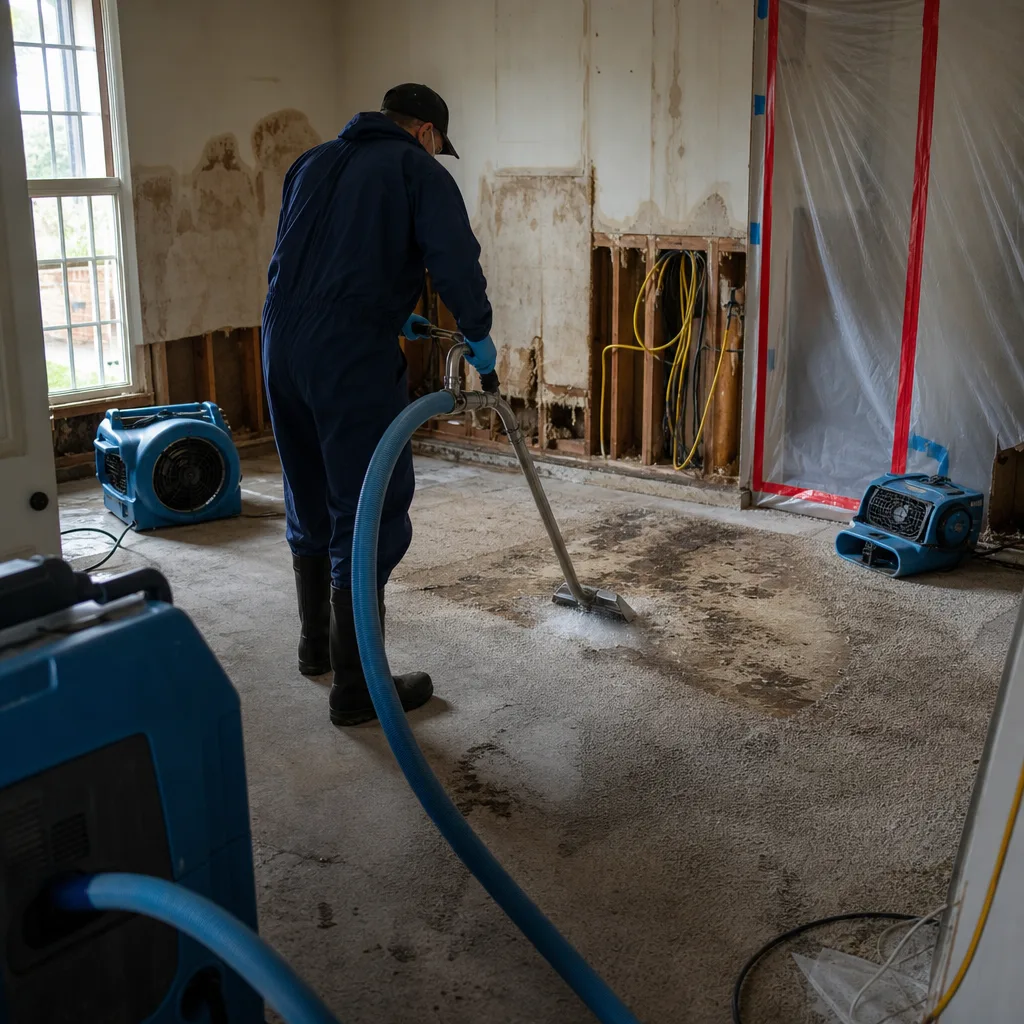
West Palm Beach’s water damage season doesn’t align with the calendar year. It aligns with rainfall patterns, hurricane risk, and the thermal cycling that degrades building materials. We’ve structured this checklist around two critical inspection windows that match how damage actually accumulates in this market.
April-May: Pre-Hurricane Season Inspection
The six-month hurricane season begins June 1. By April, the dry season has ended and afternoon thunderstorms have returned. This is the last opportunity to document conditions before the high-risk period, and to complete any maintenance that prevents damage.
- Photograph roof condition from ground level, all elevations. Note any lifted shingles, missing tiles, or visible membrane defects on flat roofs.
- Clear and photograph flat roof drains, gutters, and downspouts. Record cleaning date.
- Inspect and photograph impact-window sealant perimeters. Note any cracking, separation, or interior staining.
- Measure and photograph stucco cracks at all penetrations. Record widths. Seal cracks wider than 1/16 inch or flag for contractor evaluation.
- Test HVAC condensate drain lines by pouring water into the drain pan and verifying flow at the exterior termination. Photograph pan condition.
- Take moisture meter baselines at all plumbing wall penetrations. Record readings.
- Verify garage door seal compression and exterior drainage slope. Photograph.
- Confirm irrigation backflow preventer is intact, no leaks visible. Record any service dates.
- Review and update emergency contact list, including your insurer’s claim line and a water damage restoration contractor in West Palm Beach with 24-hour live response.
November: Post-Rainy Season Assessment
By November, the rainy season has typically ended and hurricane risk has diminished. This inspection documents what the summer produced, catches any damage before winter dry air masks moisture problems, and establishes pre-dry-season baselines.
- Repeat all moisture meter readings from April-May. Compare directly. Any increase of 4+ percentage points, or any reading now above 16% on wood materials, indicates active moisture that survived the summer.
- Photograph roof condition again, specifically any changes from April photos. Note new damage, repairs made, or conditions unchanged.
- Inspect attic spaces (if safely accessible) for staining, mold growth, or insulation compression that indicates past water entry. Photograph.
- Check interior ceilings and walls for new staining, paint bubbling, or texture changes. Photograph with date stamp.
- Test all plumbing fixtures for slow leaks: fill sinks, release, watch drain connections; run toilets, check for running 10 minutes later; run washing machine, check hose connections after cycle completion.
- Review and file all maintenance documentation from the past 12 months. Create a single dated folder (physical or digital) for the year.
Between these two primary windows, quarterly checks of the high-risk items (HVAC condensate, under-sink plumbing, garage threshold) catch problems before they compound. The April and November inspections are comprehensive; the quarterly checks are targeted.
We’ve found that homeowners who follow this calendar in West Palm Beach catch approximately 70% of potential water damage sources before they cause visible damage. The remaining 30% are sudden failures (supply line bursts, storm damage) that no maintenance prevents, but that maintenance documentation helps prove were not neglect.
Building a Maintenance Log That Adjusters Recognize as Credible
An adjuster’s assessment of your maintenance record begins before they read a word. They judge the format. A spiral notebook with dated entries carries different weight than a shoebox of receipts. A structured digital folder with indexed photos carries more weight still. The goal is to create a record that looks like it was maintained by someone who understood that documentation might matter later.
We recommend a hybrid system: digital photos with automatic cloud backup, plus a simple spreadsheet or form that creates a searchable index. The Haven Standard requires written records on every job; we’ve adapted that discipline for homeowner use.
The physical or digital folder structure:
- Year folder (e.g., “2024 Maintenance”)
- Subfolder: “April Pre-Hurricane Inspection” with dated photos, moisture readings, notes
- Subfolder: “Quarterly Checks” with dates and any findings
- Subfolder: “Repairs and Service” with contractor invoices, photos before/after
- Subfolder: “November Post-Season Assessment” with dated photos, moisture readings, comparison notes
- Master spreadsheet: index of all locations, with hyperlinks or filenames for photos
The spreadsheet columns:
- Location (specific: “Master bath vanity, left supply penetration”)
- Inspection date
- Moisture reading or condition observation
- Photo filename(s)
- Action taken (none, sealed crack, called plumber, etc.)
- Follow-up date if applicable
What makes it credible to adjusters:
Contemporaneous creation is the foundation. Photos with embedded EXIF date data, not screenshots with typed dates. Entries made on inspection dates, not compiled afterward. Specificity of location and condition, not generic “checked roof” notes.
Professional vocabulary, used correctly, signals competence without pretension. Noting that a moisture reading “exceeds IICRC drying standard of 12% for drywall” shows you consulted a standard, even if you don’t hold the certification. Referencing “vapor pressure differential” when explaining why a wall feels damp despite normal humidity shows you understand that moisture moves from areas of high vapor pressure to low vapor pressure, not just from “wet to dry.”
Third-party documentation strengthens the file. Contractor invoices with dates and scope. Permit records for any work requiring West Palm Beach building department approval. These are independently verifiable and harder for insurers to challenge.
We’ve reviewed hundreds of homeowner maintenance files in claim disputes. The ones that prevail share a trait: they were clearly maintained for the homeowner’s own use, not created for litigation. A file that tracks “what I did and when I did it” reads as authentic. A file that explains “why this proves I wasn’t negligent” reads as defensive. Let the facts speak. The dates, photos, and readings are the argument.
Which Undocumented Maintenance Items Trigger “Neglect” Exclusions
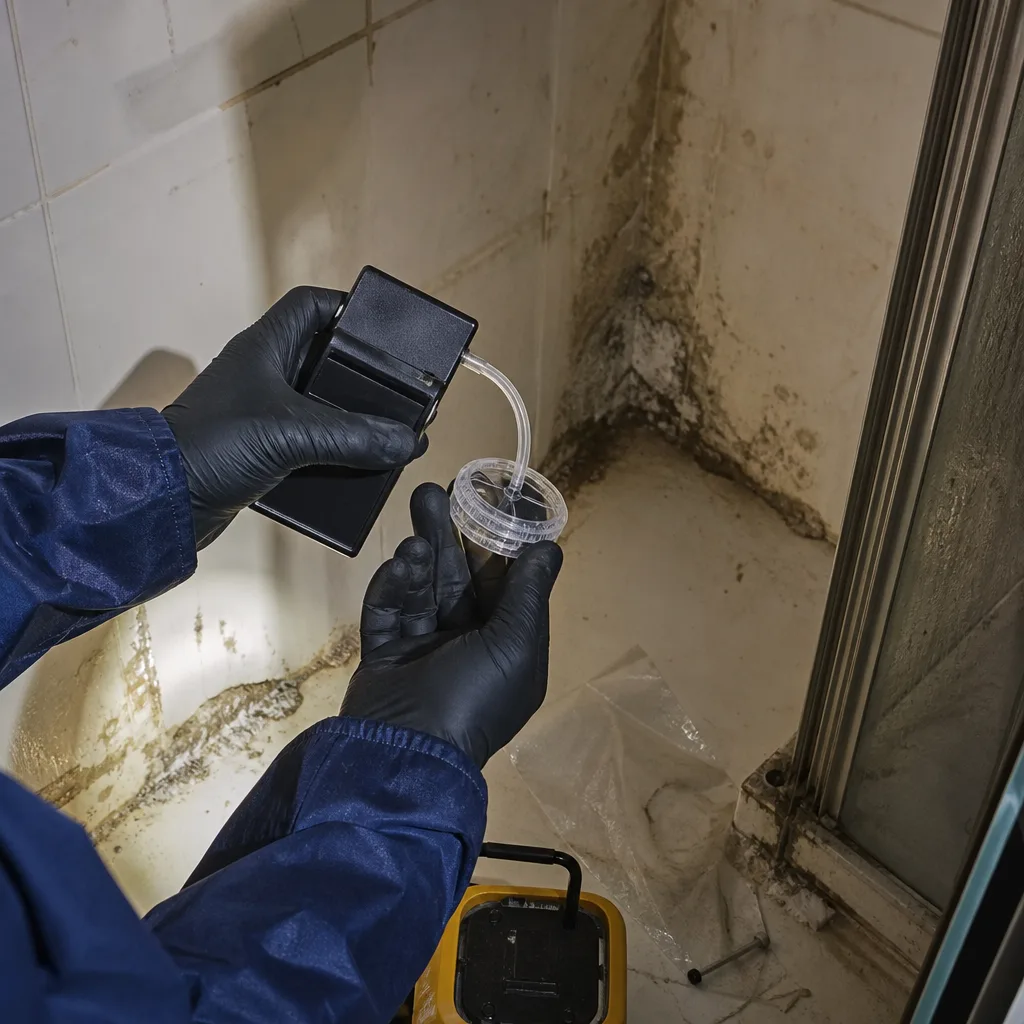
Florida’s standard homeowner policy, and most endorsed forms used in West Palm Beach, contains language similar to this: “We do not insure under any coverage for any loss which, at the time of loss, is caused directly or indirectly by… constant or repeated seepage or leakage of water… over a period of 14 or more days, or by mold resulting therefrom, if the insured knew or should have known of the condition.”
The phrase “should have known” is where maintenance documentation becomes critical. An insurer argues neglect when they can show a reasonable homeowner, exercising ordinary care, would have discovered and addressed the condition. Your maintenance checklist is your evidence of ordinary care.
Specific items that insurers most commonly cite for neglect exclusions in West Palm Beach:
- Roof maintenance: Missing or lifted shingles visible from ground level, granule accumulation in gutters indicating advanced wear, or interior ceiling stains that predate the claimed loss. Without annual roof photos, the insurer dates damage to the last storm, not the one you’re claiming.
- HVAC condensate management: Rusted drain pans, clogged lines, or disabled float switches. These are “should have known” items because the system runs daily and produces visible water. Quarterly inspection records showing pan condition and float switch function rebut neglect claims.
- Plumbing leaks: Slow leaks that produce visible staining, baseboard warping, or tile grout changes over weeks or months. Moisture meter readings that show progressive increase, if documented, prove you were monitoring. Undocumented, the insurer assumes you ignored visible signs.
- Window and door sealant: Cracked or missing sealant at impact windows, especially on south and west exposures where UV degradation is fastest. Annual photos showing sealant condition create a timeline. Without them, any crack visible after damage is presumed old.
- Stucco and exterior envelope: Cracks wider than 1/16 inch at penetrations, especially if they show staining or biological growth indicating water entry. The insurer’s expert will measure crack width and cite it as evidence of long-term neglect. Your annual measurement record shows when the crack appeared and whether it was addressed.
- Drainage and grading: Negative slope toward foundation, clogged gutters causing overflow against walls, or downspouts discharging at the foundation. These are visible conditions that “should have known” applies to directly. Photos showing positive drainage and functional gutters are essential.
The 14-day threshold in most policies is particularly important. A leak that runs for two weeks without discovery is often excluded regardless of whether you actually knew. Maintenance documentation that shows regular inspection of likely leak locations (under sinks, at water heaters, at HVAC condensate points) rebuts the “should have known” inference by showing you were checking.
In our experience, the most defensible maintenance records are those that show a pattern of attention, not perfection. A record that shows you inspected, found a minor crack, monitored it, and eventually sealed it demonstrates reasonable care. A record that shows no attention to a location where damage later occurs invites the neglect argument.
For homeowners in West Palm Beach’s older neighborhoods, where original construction may not meet current standards, maintenance documentation is especially important. A 1950s flat roof in Flamingo Park or a 1960s stucco home in Northwood will have conditions that a newer home does not. Documenting that you maintained the original system properly, and upgraded where feasible, protects against claims that age alone constitutes neglect.
Common Mistakes to Avoid
- Storing photos only on a phone that gets replaced or lost. Automatic cloud backup is essential. A phone dropped in a pool during a water damage event is a cruel irony that happens regularly. Use Google Photos, iCloud, or equivalent with automatic sync.
- Writing vague descriptions without measurements. “Roof looks good” is inadmissible as evidence. “Shingle roof, south elevation, no lifted tabs, gutters clear, photo DSC_1042” is a finding. The extra 30 seconds of specificity matters enormously if the file is ever reviewed.
- Inspecting only after damage occurs. Retrospective documentation is obvious and weak. The adjuster can spot entries made in different ink, different handwriting, or with file creation dates after the loss. Start the file now, maintain it going forward.
- Ignoring the garage and exterior spaces. West Palm Beach homeowners often focus on interior finishes and miss the garage slab, irrigation system, and exterior drainage. These produce significant claims, especially in homes with finished garages used as living space.
- Assuming impact windows are maintenance-free. The window unit itself may be, but the sealant perimeter is not. UV exposure in West Palm Beach degrades sealant faster than inland Florida. Annual inspection of sealant condition is essential, especially for installations from the 2005-2015 period.
- Failing to document contractor work. When you hire a roofer, plumber, or HVAC technician, file the invoice with scope and date. If that contractor’s work later fails, the invoice proves who did what when, protecting you from successor liability claims.
- Not comparing year to year. The value of maintenance documentation compounds over time. A single year’s photos are useful. Three years of comparable photos showing progressive conditions are powerful evidence of due diligence or of gradual deterioration that predates any claimed event.
When to Call a Professional
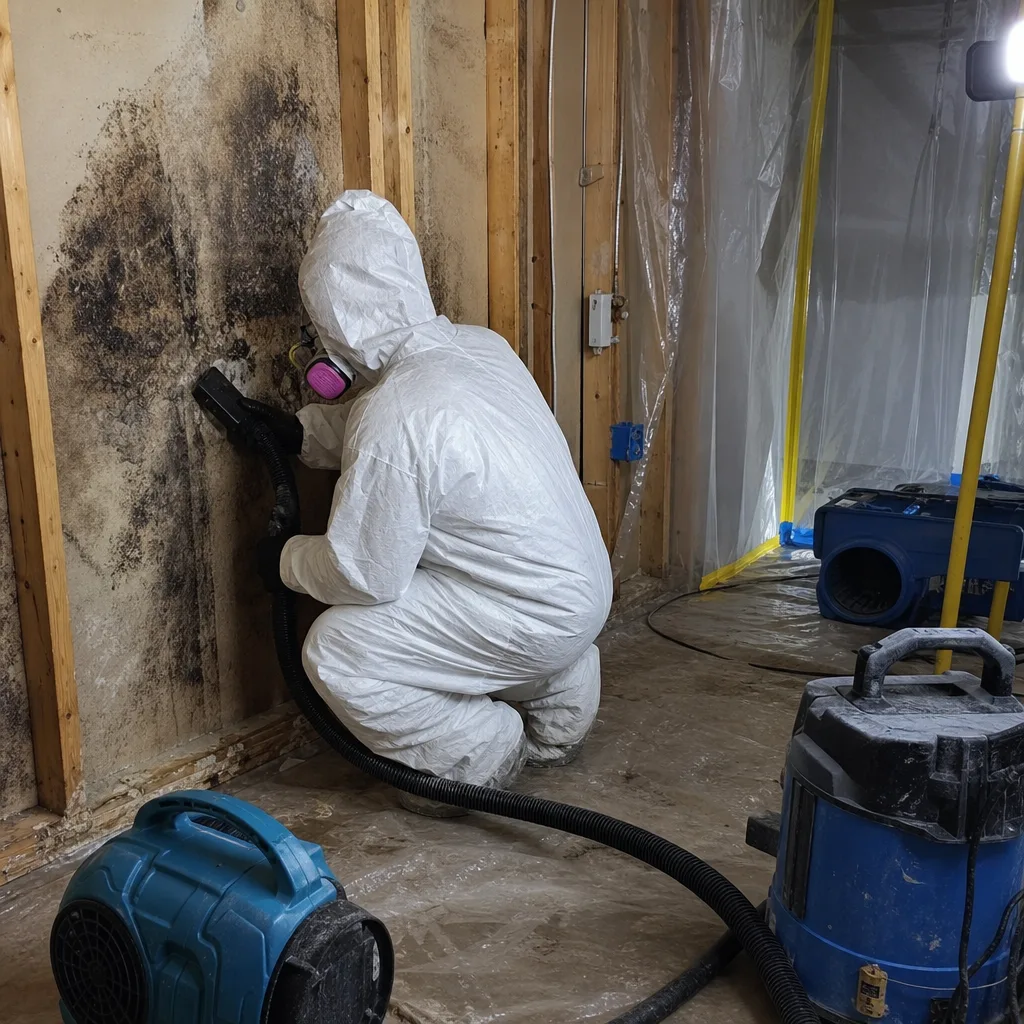
Some conditions require professional assessment regardless of your maintenance diligence. Call a licensed contractor or restoration professional if you find moisture readings above 20% on any wood material, visible mold growth larger than 10 square feet, sagging ceiling drywall, or water entering from an unidentified source. These indicate active, ongoing damage that homeowner maintenance won’t resolve.
If you discover water damage during your inspection, document it thoroughly before calling for help, then call promptly. Continuing moisture exposure compounds damage and can shift an insurer’s view from “sudden event” to “long-term neglect” if you delay.
DryMark Restoration West Palm Beach home offers free estimates for water damage assessment in West Palm Beach. Our technicians document every visit with photo records and written scopes under The Haven Standard, and we provide a Free Second Opinion on any competitor’s written estimate. For emergency water damage, call (561) 290-5060 - a live person answers 24 hours a day, 7 days a week, with no voicemail.
Frequently Asked Questions
A pin-type moisture meter suitable for homeowner use costs $25-$40 at hardware stores or online. Choose a model with replaceable pins, a wood-scale reading (typically 6-40% moisture content), and a reference scale for drywall and other materials. Avoid pinless meters for interior structural readings in West Palm Beach’s humid climate, as they measure surface conditions that can mislead. Call (561) 290-5060 if you’d like guidance on interpreting readings - estimates are free.
Yes, if the claim is significant or if the adjuster suspects a pre-existing condition or neglect exclusion. We’ve seen insurers request 2-3 years of maintenance documentation on water damage claims exceeding $10,000 in West Palm Beach. Records presented proactively often prevent extended investigation; records produced only after a denial must overcome skepticism about their timing. Start maintaining your file before you need it.
Inspect flat roofs twice annually, in April before hurricane season and in November after the rainy season, plus after any storm with sustained winds above 35 mph or visible debris impact. Flat roofs don’t show damage from ground level the way pitched roofs do; interior ceiling inspection and drain function testing are essential proxies. If you’re uncomfortable accessing your roof safely, hire a licensed roofing contractor for the inspection and file the report in your maintenance log.
Minor, clean water intrusion limited to hard surfaces (tile, concrete) and dried within 24-48 hours can sometimes be handled by homeowners with proper ventilation and dehumidification. Water that affects drywall, insulation, or carpet, or that involves gray water (appliance discharge) or black water (sewage), requires professional restoration to IICRC standards. Improper drying leaves moisture in wall cavities that produces mold within 72 hours in West Palm Beach’s climate. For any uncertainty, professional water damage restoration in West Palm Beach provides documented drying logs that protect your health and your claim.
The Haven Standard is the operating framework Back to Dry Restoration has used since 2011, codified in specific clauses that govern every job, with more guides & resources available for homeowners. Haven Standard, Clause 1 requires a written price before any work begins, with no exceptions. Other clauses require documented photo records on every visit, daily drying logs with psychrometric data, and the 365-Day Done Right Promise - if it’s not done right, we make it right. These aren’t marketing claims; they’re contractual commitments that appear on every job documentation package.
In our experience documenting 12,000+ homes since 2011, yes. Claims with organized maintenance records settle faster because the adjuster spends less time investigating causation and more time calculating scope. The specific mechanism is this: maintenance records that show due diligence rebut the “neglect” and “pre-existing condition” defenses that insurers use to delay or reduce payment. A well-documented file often produces a preliminary coverage determination in days rather than weeks. For claims assistance or documentation review, call (561) 290-5060.
The Bottom Line
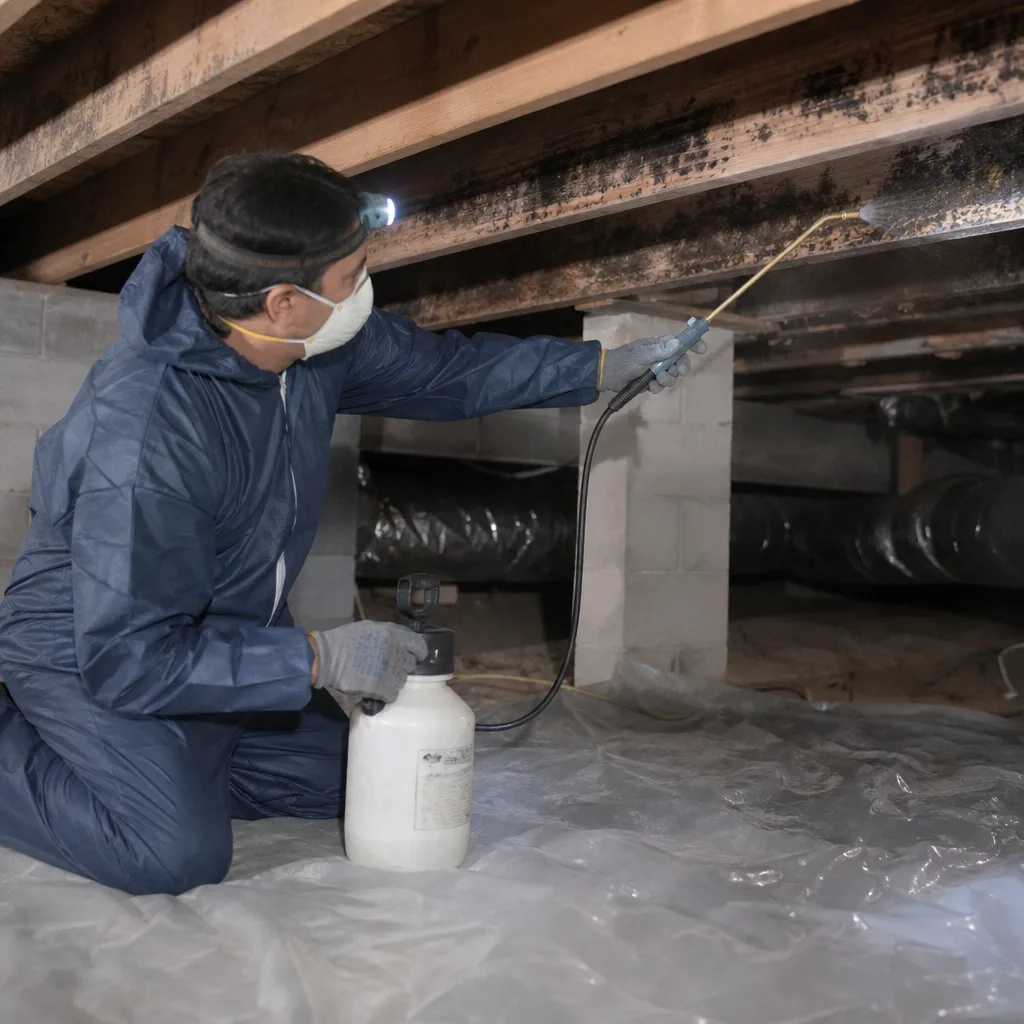
A water damage maintenance checklist for West Palm Beach homeowners is only as valuable as the evidence it produces. The inspections, measurements, and photographs in this guide create a contemporaneous record that transforms routine homeownership into defensible due diligence. The critical practices are simple: inspect at the right seasons, measure with specificity, photograph with date stamps, and store records where they survive the very events they document. The April-May and November inspection windows align with Florida’s actual damage patterns. The seven West Palm Beach-specific failure points catch the sources that generic checklists miss. And the maintenance log format, maintained consistently, produces the documentation that makes insurers pay claims without a fight. Start now. The next storm is already forming.
For professional water damage assessment, documented restoration, or a Free Second Opinion on any competitor’s written estimate, contact DryMark Restoration West Palm Beach. We answer live 24 hours a day, 7 days a week at (561) 290-5060. Every job includes a written price before work begins, a photo record on every visit, and the 365-Day Done Right Promise under The Haven Standard.
Written by Alicia Brennan, Owner at DryMark Restoration West Palm Beach, serving West Palm Beach since 2011.