
Last updated September 23, 2026
Free visual inspection and a written scope of work before any mitigation begins - photos, moisture readings, and drying logs go in your claim file
The scope we write is the scope we bill. Anything new gets shown to you, in writing, before we touch it.
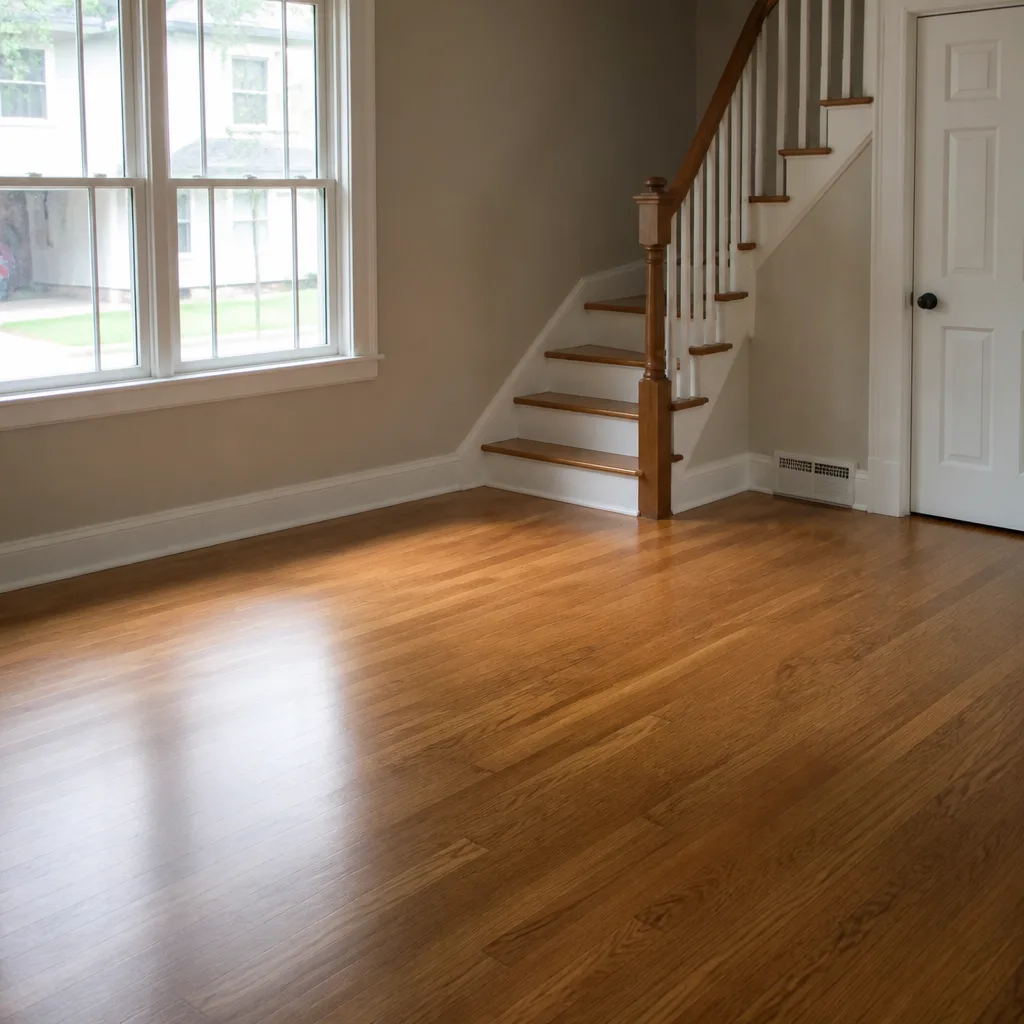
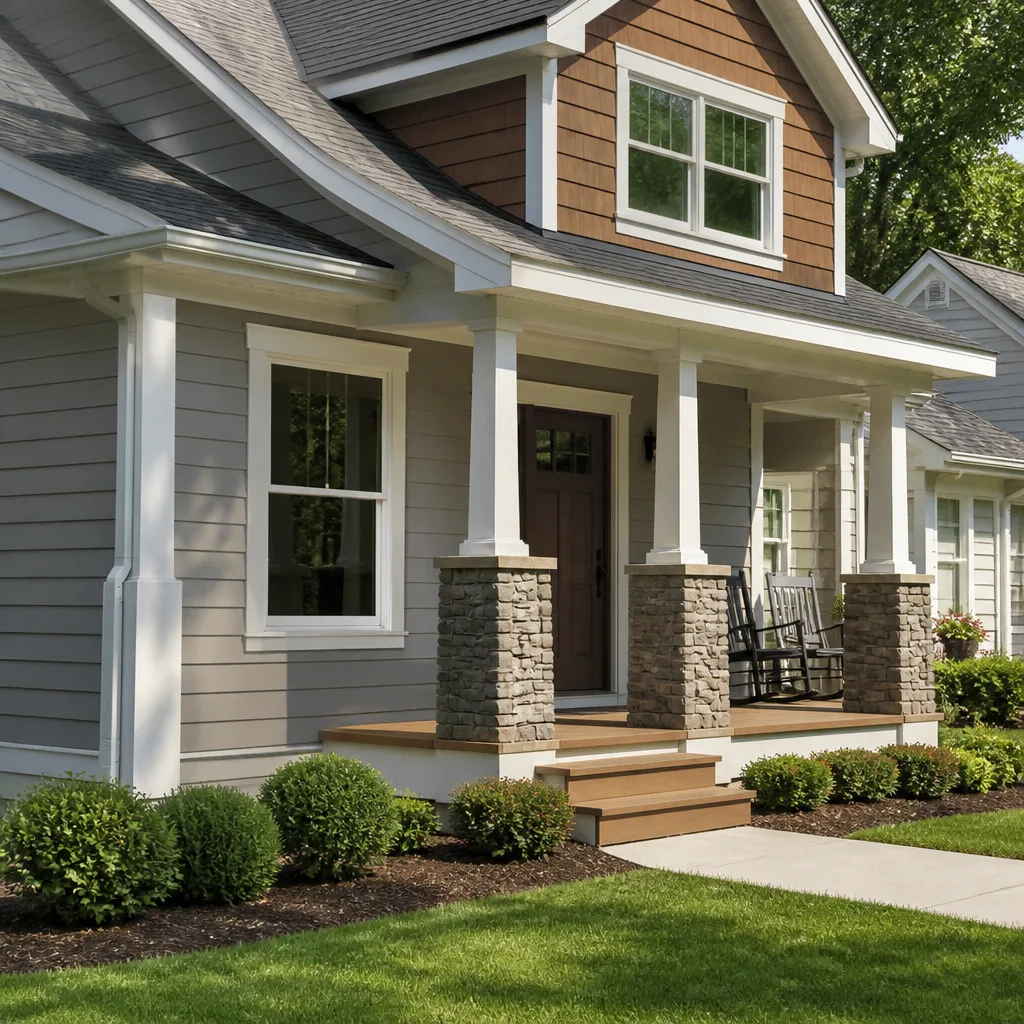
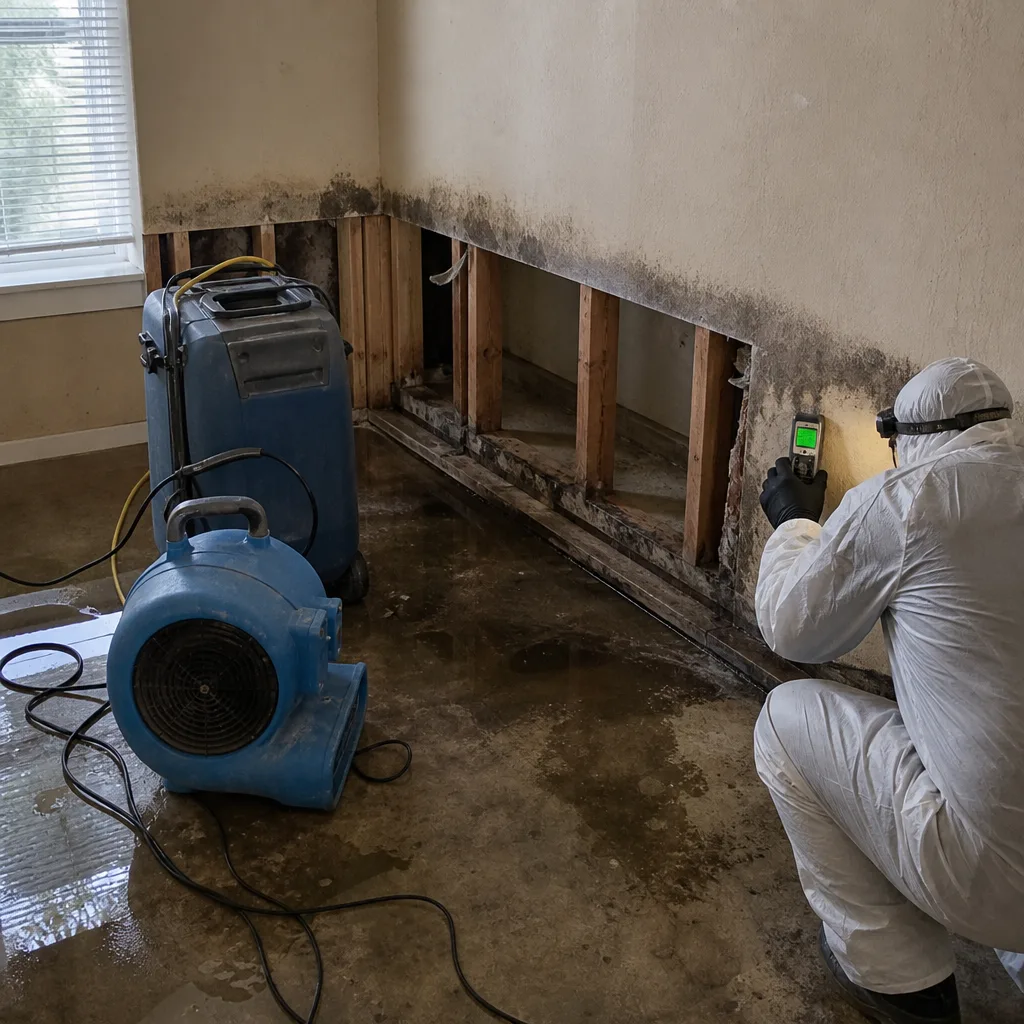 Before
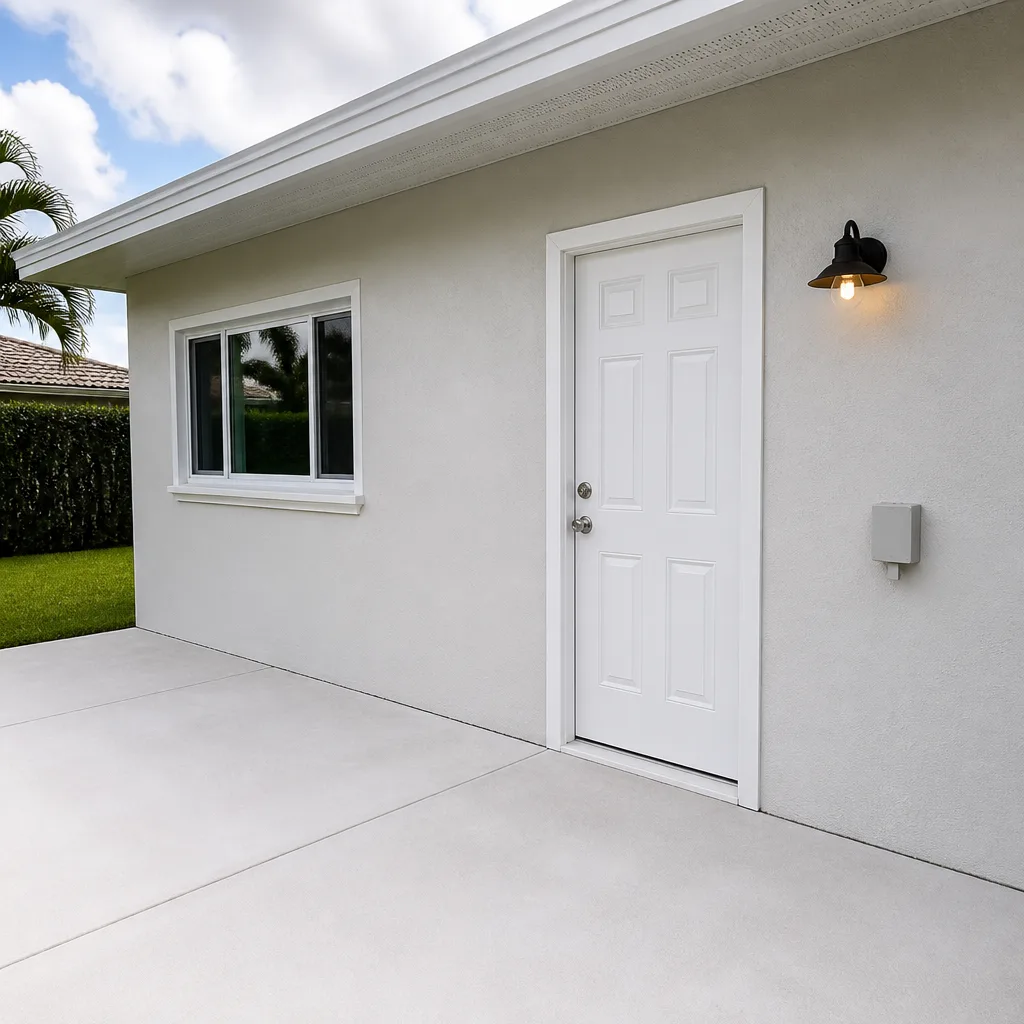 After
After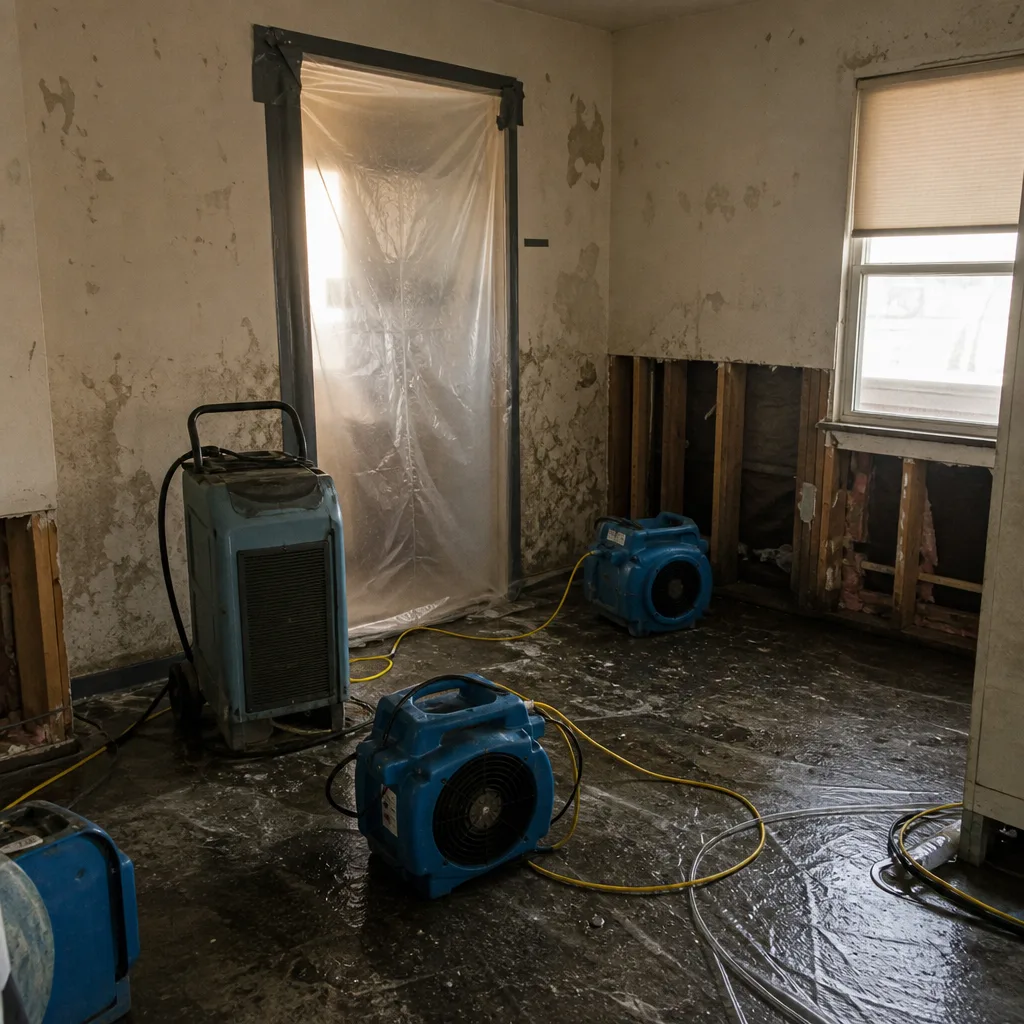 Before
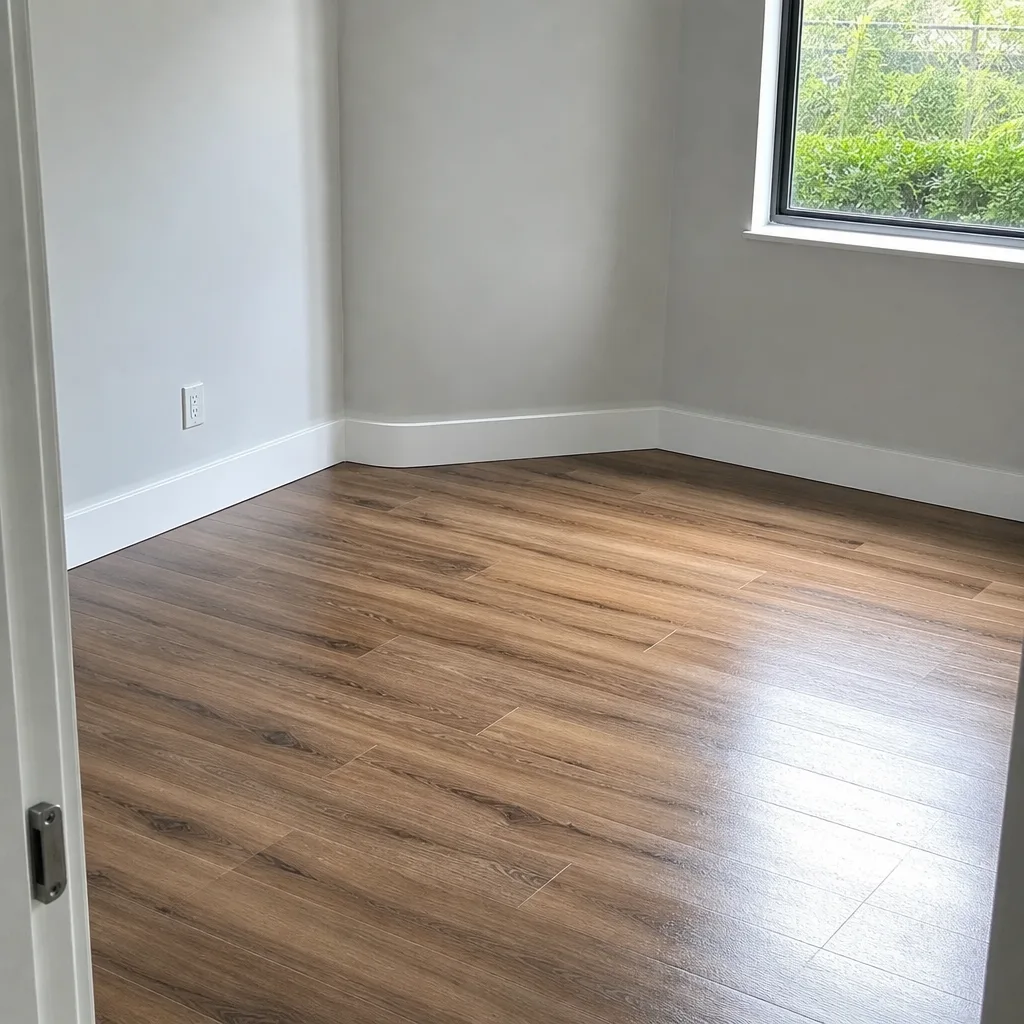 After
After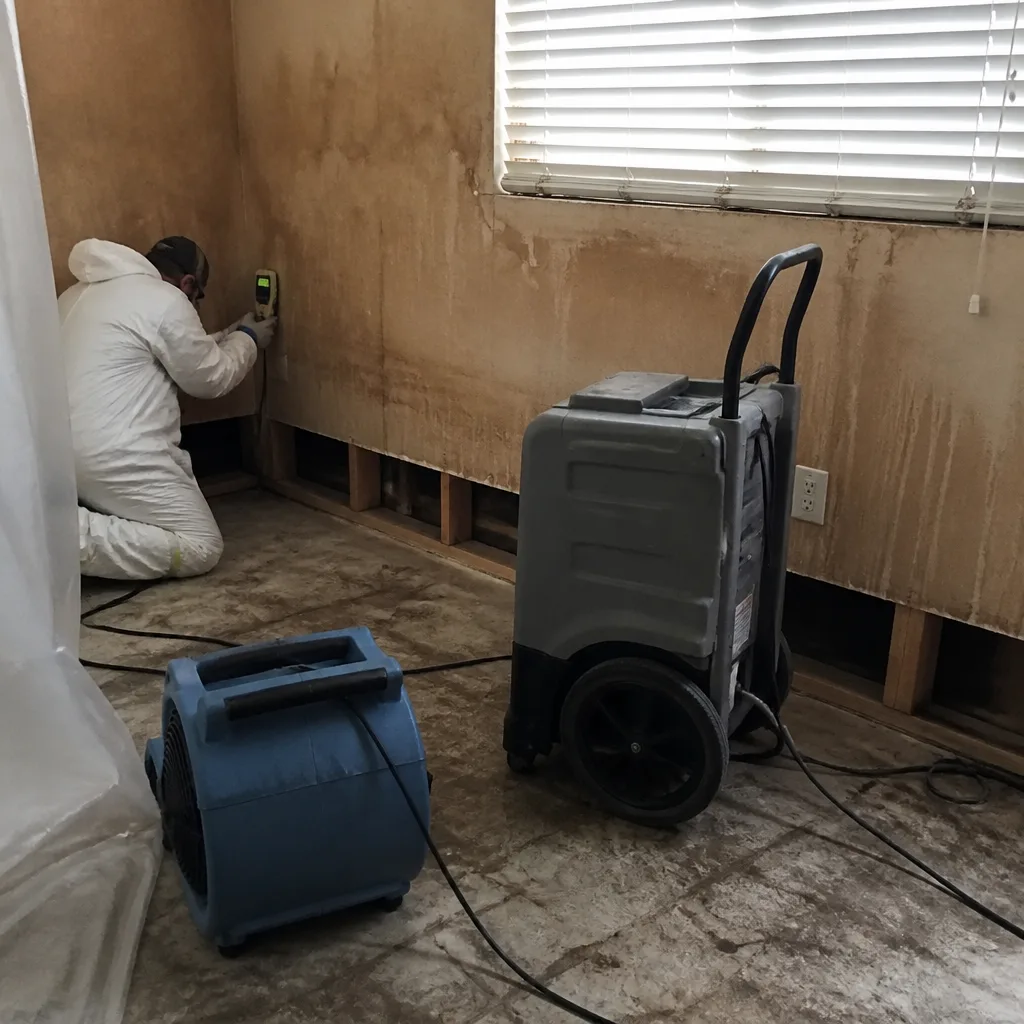 Before
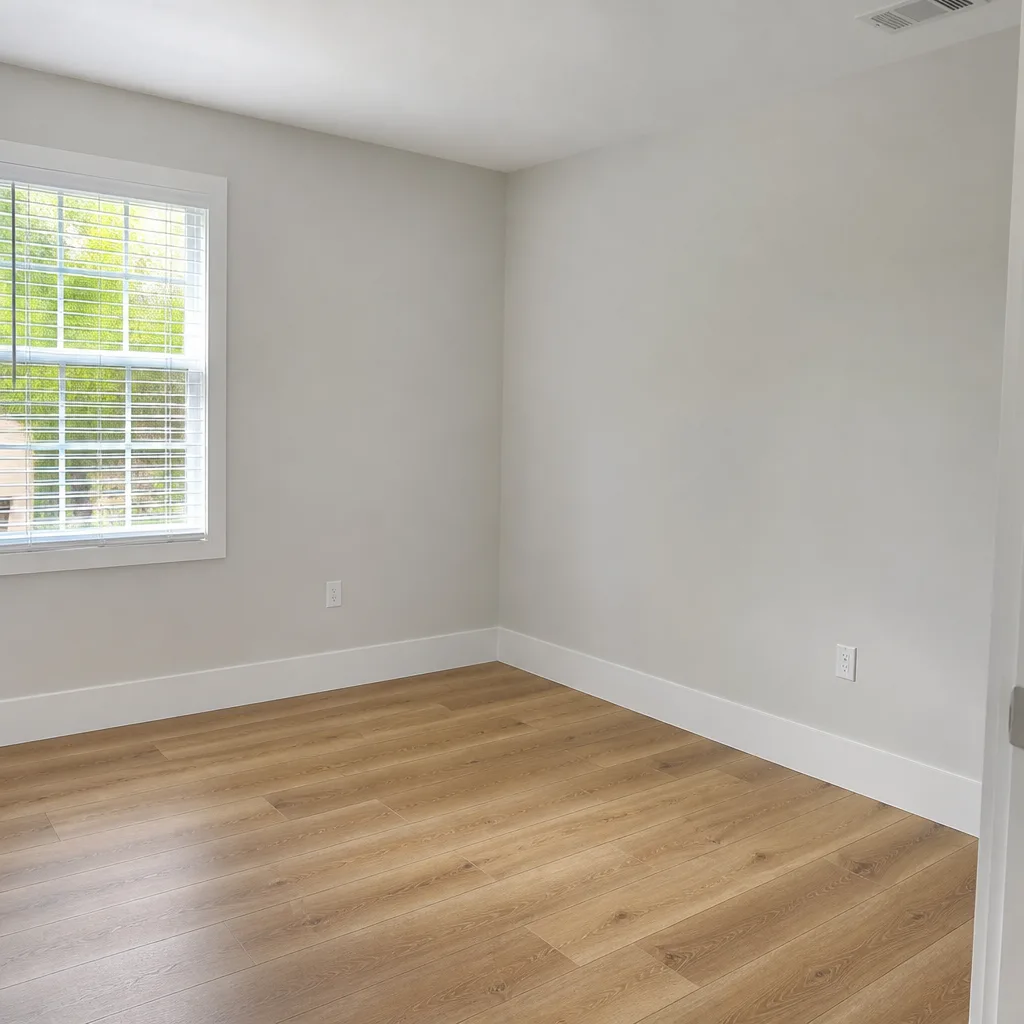 After
AfterDamage Restoration Permits, Codes & Inspections in FL: What You Need to Know
Palm Beach County building records are public and searchable, and insurers now routinely query them before paying structural repair claims. If your 2022 water-damage repair shows no permit pulled, your 2026 claim on the same wall cavity starts with a documented red flag. In West Palm Beach, we’ve seen homeowners discover this gap when they’re three weeks from closing and the title search turns up unpermitted drywall replacement in a formerly flooded laundry room. This guide explains which restoration tasks trigger permit requirements in Florida, how to verify your contractor did the paperwork, and why a closed permit matters as much as your insurance settlement check. For Damage Restoration Warning Signs: A West Palm Beach Homeowner’s Reference Guide, see our companion post.
Quick Answer
In Florida, structural drying and content cleaning typically do not require permits, but drywall replacement, electrical repair, HVAC reconnection, and any load-bearing modification almost always do under Palm Beach County’s $1,000 valuation threshold. Unpermitted restoration work creates a title defect that must be disclosed to buyers, can void future insurance claims on the same area, and leaves you with no documented proof that repairs met Florida Building Code standards. Always verify permits were both pulled and finaled before your contractor’s final invoice is paid.
Table of Contents
- Which Restoration Tasks in Florida Legally Require a Permit
- How the Florida Building Code Governs Restoration Work
- How to Verify a Contractor Pulled and Closed a Permit in Palm Beach County
- What Unpermitted Work Does to Your Title, Resale, and Future Insurance Claims
- How to Request and File Your Passed Inspection Reports
- Red Flags: Contractors Who Skip Permits and What to Do
- How Permit Documentation Strengthens Your Insurance Claim
- Common Mistakes to Avoid
- When to Call a Professional
- Frequently Asked Questions
 Before
 After
AfterWhich Restoration Tasks in Florida Legally Require a Permit
Palm Beach County Building Division draws a sharp line between emergency mitigation and structural repair. Understanding where that line sits saves you from a compliance headache that surfaces years later.
What Typically Does NOT Require a Permit
Pure mitigation work - the emergency response that stops damage from spreading - generally falls outside permit requirements. This includes:
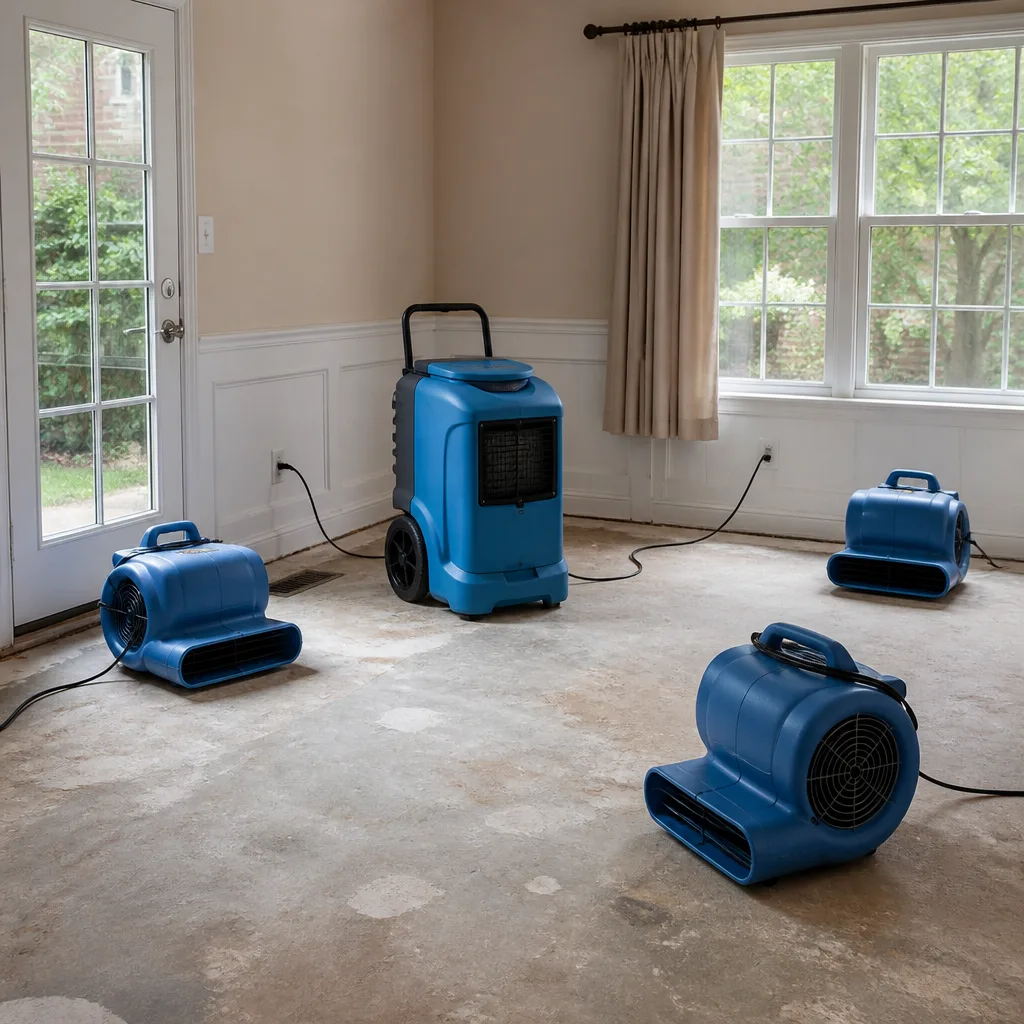
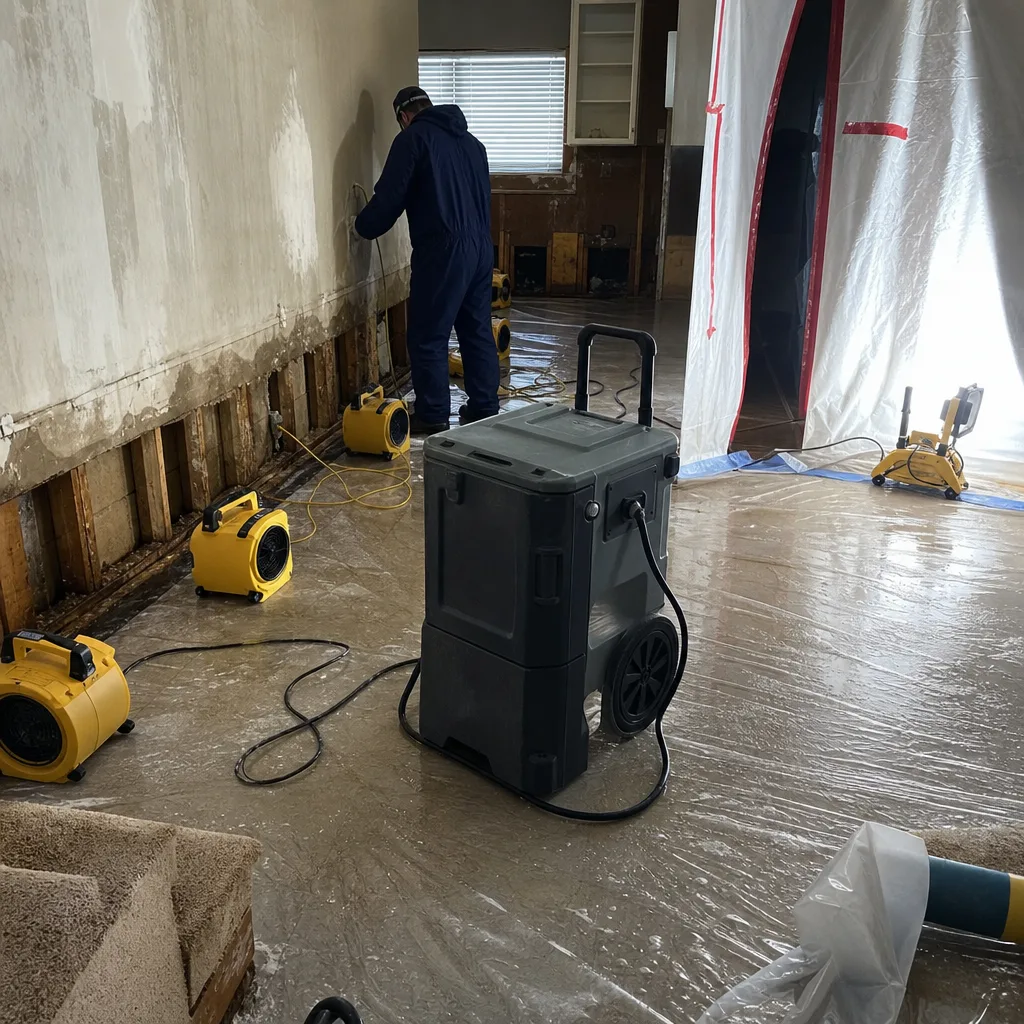
- Water extraction and structural drying using professional-grade equipment (Phoenix dehumidifiers, XPOWER air movers, Injectidry cavity drying systems)
- Content pack-out, cleaning, and storage
- Antimicrobial application on non-porous surfaces during mold remediation
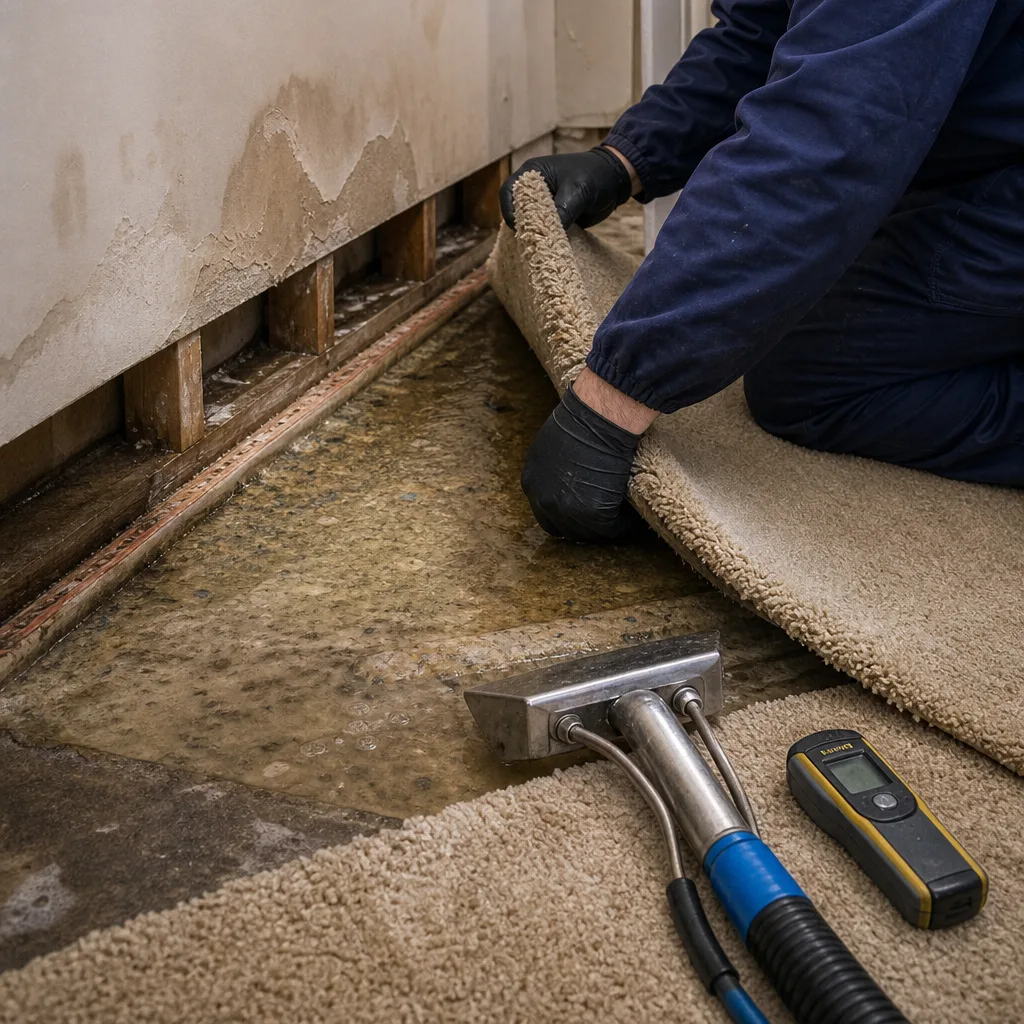
- Demolition of non-load-bearing materials like wet carpet, pad, and baseboard
- Moisture mapping and psychrometric monitoring (the daily humidity and temperature readings that document drying progress)
In our experience across West Palm Beach, a standard water damage response - extract, set equipment, monitor for three to five days, remove equipment - generates no permit obligation if no building materials are replaced.
What Almost Always Requires a Permit
Palm Beach County requires permits for work valued at $1,000 or more that involves:
- Drywall replacement or repair exceeding one sheet in most jurisdictions
- Electrical outlet, switch, or panel repair after water or fire exposure
- HVAC ductwork replacement or reconnection
- Plumbing line repair or fixture replacement
- Roofing or structural repairs from storm or tree impact
- Any modification to load-bearing walls, beams, or trusses
- Window or door replacement where the rough opening is altered
The $1,000 threshold is cumulative, not per-task. A contractor who replaces four sheets of drywall, installs new insulation, and repaints a 12-foot wall has almost certainly crossed into permit territory even if no single line item exceeds $1,000.
The Gray Zone: When Mitigation Becomes Repair
Here’s where West Palm Beach homeowners get caught. Our subtropical climate means materials stay wet longer, and secondary damage spreads faster. A job that starts as extraction can quickly require:
- Removal of tile or engineered flooring to access saturated subfloor
- Cabinet removal to dry wall cavities behind kitchen plumbing
- Baseboard heater disconnection for wall cavity access
Each of these transitions from mitigation to repair. A contractor who doesn’t flag this shift and pull permits when needed leaves you exposed. At DryMark Restoration West Palm Beach, our written scope documents exactly where mitigation ends and repair begins, and we pull permits before transition - Haven Standard, Clause 1 applies to the paperwork, not just the price.
How the Florida Building Code Governs Restoration Work
Florida doesn’t treat restoration as a special category with its own rulebook. Instead, two volumes of the Florida Building Code apply, and they impose different standards than new construction.
FBC Chapter 15: Roof Assemblies and Rooftop Structures
Storm damage in West Palm Beach frequently involves roof breaches. Chapter 15 governs how roof repairs must be executed, including:
- Wind uplift resistance requirements that exceed pre-2002 construction in many zones
- Fastener patterns and deck attachment standards
- Secondary water barrier requirements in High-Velocity Hurricane Zones
A roof patch that met code in 1998 may not meet code for a 2024 repair. Permitted work ensures the repair meets current standards, not the standards from when the house was built.
FBC Existing Building Volume: The “Like-for-Like” Trap
The Existing Building volume allows some flexibility - repairs can match existing materials and methods in certain cases. But this flexibility has limits that catch homeowners:
- Substantial structural damage triggers full current-code compliance, not like-for-like repair
- Repairs exceeding 50% of a building component’s value in a 12-month period classify as “substantial improvement” and trigger elevation or energy code requirements
- Change of occupancy or use voids like-for-like allowances entirely
In flood-prone West Palm Beach neighborhoods near the Intracoastal, we’ve seen homes where repeated water damage repairs over several years crossed the substantial improvement threshold. Without permits tracking cumulative work, neither homeowner nor contractor had visibility into the compliance cliff they’d approached.
Wind-Borne Debris Regions and Product Approval
West Palm Beach sits in a Wind-Borne Debris Region under FBC definitions. Replacement windows, exterior doors, and garage doors must carry Florida Product Approval or Miami-Dade County Notice of Acceptance. A contractor who installs standard retail windows from a national chain without verifying this approval has installed non-code-compliant materials, permit or no permit. The permit inspection catches this. Without it, you discover the problem when your next claim is denied or your buyer’s inspector flags the windows.
How to Verify a Contractor Pulled and Closed a Permit in Palm Beach County
Permit verification isn’t trust, it’s documentation. Here’s exactly how to confirm your contractor’s paperwork.
Step-by-Step: Palm Beach County Permit Portal Search
- Navigate to pbcgov.com/pzb/building and select “Online Services” then “Permit Search”
- Search by property address (use the exact format on your tax bill - “1234 Cypress St” not “1234 Cypress Street”)
- Search by contractor name as backup - some permits issue under the subcontractor who performed the work
- Review active permits: status should show “Issued” before work begins
- After work completion, verify status changed to “Finaled” or “Closed” - not merely “Inspected”
A permit showing “Inspected” with no final status may indicate a failed inspection that was never corrected. This is functionally equivalent to no permit for title and insurance purposes.
What “Finaled” Actually Means
“Finaled” in Palm Beach County terminology means all required inspections passed, any corrections were resubmitted and approved, and the building official has released the permit. It does not mean:
- The contractor paid the permit fee (they did, but that’s a prerequisite, not completion)
- One inspection passed (intermediate inspections like rough electrical or framing must all clear)
- The work was “good enough” (it met code at the time of inspection, which is a documented legal standard)
We deliver a copy of the finaled permit to every DryMark Restoration West Palm Beach customer whose job required one, filed in the same folder as their photo record and written scope. Haven Standard, Clause 1: documentation before, during, and after.
When to Check: Timeline Matters
Check the portal before work starts (permit should show “Issued”), once during the project (especially before drywall goes up, when framing and rough inspections happen), and before final payment (status must be “Finaled”). A contractor who asks for final payment while permit status reads “Inspection Required” or “Partial” has not completed their compliance obligation.
What Unpermitted Work Does to Your Title, Resale, and Future Insurance Claims
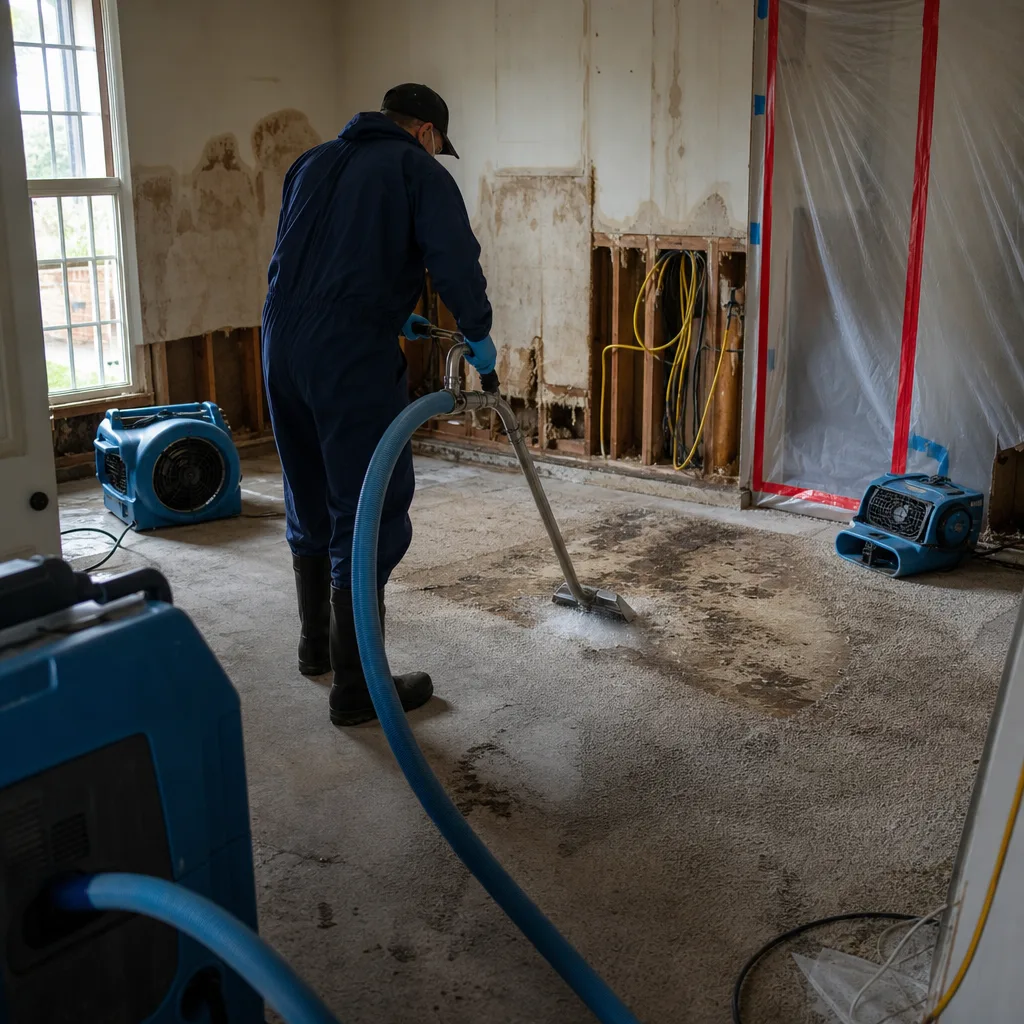
This is where the abstract becomes concrete. Unpermitted restoration work in Florida creates cascading legal and financial problems that outlast the repair itself.
Title Defects and Disclosure Obligations
Florida’s seller disclosure form (commonly the FR/Bar or FAR/BAR contract) asks specifically about “any work performed without required permits.” Answering “unknown” when permits are discoverable through public record is legally risky. Answering “yes” triggers buyer negotiation, price reduction, or walkaway. Answering “no” when work was unpermitted exposes the seller to post-closing fraud claims.
In West Palm Beach’s competitive market, buyers routinely run permit searches before making offers. A $12,000 unpermitted kitchen restoration from 2019 becomes a $25,000 re-do at 2025 labor rates, and buyers discount accordingly.
Future Insurance Claim Voids
Your insurance policy contains a concealed damage clause and a maintenance/neglect exclusion. Unpermitted repairs feed both:
- Insurers argue unpermitted electrical work behind a replaced wall caused the fire that damaged the same cavity
- Adjusters deny mold claims when previous water damage repairs show no permit, claiming the moisture issue was never properly resolved
- Structural damage claims get routed to special investigation when permit history shows gaps in documented repairs
We’ve reviewed competitor estimates for West Palm Beach homeowners where the previous restoration company performed $8,000 in drywall, electrical, and flooring replacement with no permits. When a 2024 pipe burst affected the same bathroom, the insurer opened a coverage investigation rather than a standard claim. The homeowner’s choice of contractor in 2019 became a 2024 coverage battle.
Code Enforcement and Penalties
Palm Beach County Code Enforcement can issue notices of violation for discovered unpermitted work, with fines that accrue daily until compliance. While enforcement typically responds to complaints rather than proactive sweeps, a neighbor’s dispute, a contractor’s report, or a real estate transaction can trigger inspection. The correction order usually requires opening walls to prove code compliance - essentially paying for the restoration twice.
How to Request and File Your Passed Inspection Reports
The permit itself proves compliance existed. The inspection reports prove what was verified. They’re not the same document, and you need both.
What Inspection Reports Contain
Each inspection generates a report with:
- Inspection type (rough framing, insulation, drywall, final electrical, etc.)
- Date and inspector ID number
- Pass/fail status with specific code section references for any failure
- Corrections required and reinspection date
- Inspector signature or electronic approval
These reports document that a disinterested third party verified the work met code. For insurance purposes, they’re evidence that the repair was performed to a standard, not merely to a contractor’s discretion.
How to Obtain Copies
- Request from your contractor at job completion - they receive copies automatically
- Submit a public records request to Palm Beach County Building Division if the contractor doesn’t provide them
- Include your property address, permit number, and date range
- Records are typically available within 5-10 business days at nominal cost
Where to File Them
We recommend a physical or digital folder containing:
- Original insurance claim and settlement documentation
- Contractor’s written scope and final invoice
- Photo record of damage and repairs
- Permit application and finaled permit
- All inspection reports
- 365-Day Done Right Promise or equivalent warranty
This folder travels with the house. When you sell, it’s disclosure documentation. When you claim, it’s coverage support. In West Palm Beach’s storm-exposed market, it’s asset protection.
Red Flags: Contractors Who Skip Permits and What to Do
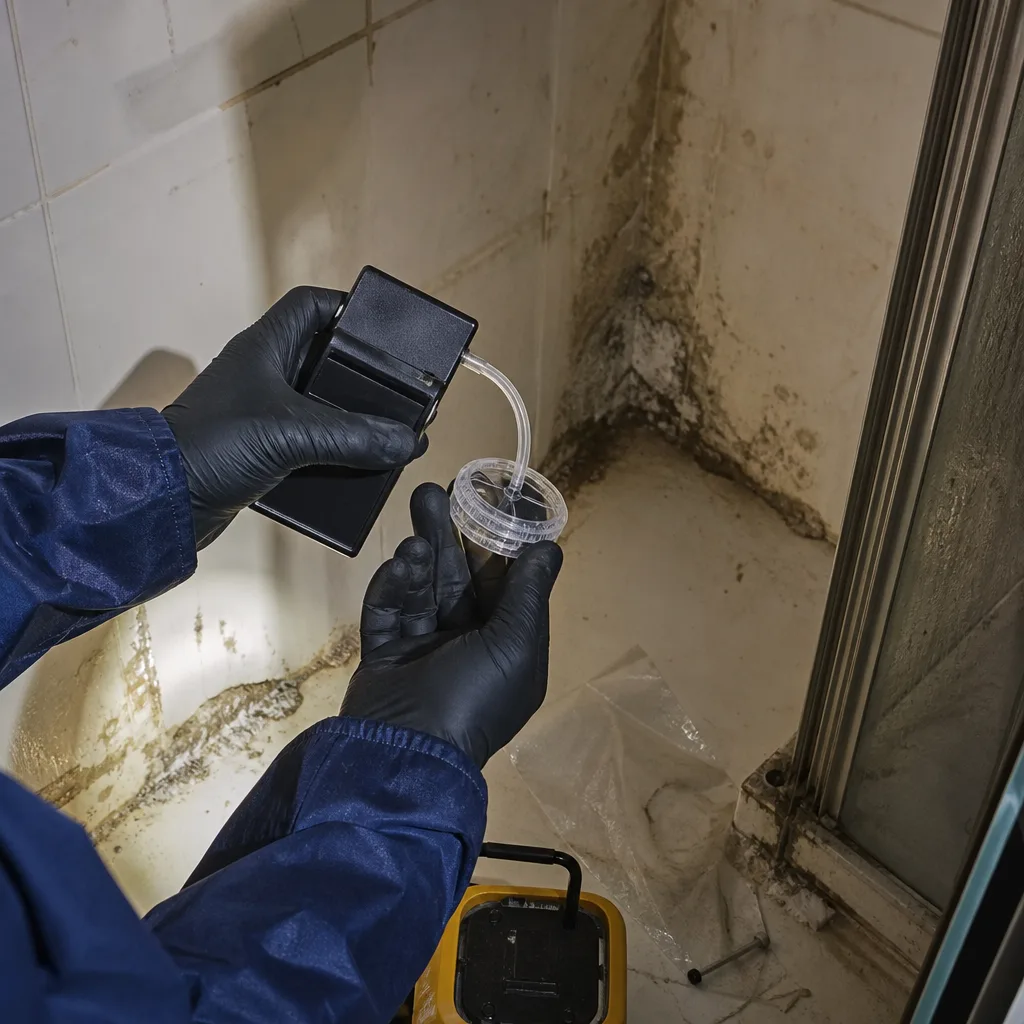
Certain patterns predict permit problems before work begins. Recognizing them protects you from the compliance gap.
Verbal Assurances Instead of Written Documentation
“We do this all the time, no permit needed” without a written scope identifying the permit threshold is a warning. At DryMark Restoration West Palm Beach, Haven Standard, Clause 1 requires a written price before work starts - and that written scope explicitly notes whether permits are required, have been applied for, or are pending.
Pressure to Start Before Paperwork
Emergency mitigation legitimately starts immediately - water doesn’t wait for permits. But structural repair can and should wait for permit issuance. A contractor who begins drywall replacement while claiming permits are “in process” may never have applied. Verify in the portal before allowing repair work to proceed.
Subcontractor Disconnection
Restoration companies frequently use electrical, plumbing, and HVAC subcontractors. The general contractor’s permit responsibility doesn’t transfer - but their oversight does. Ask specifically: who pulls the electrical permit, and in whose name? If the answer is unclear, or if the subcontractor is expected to “handle it,” verify independently.
Cash Discounts Tied to No Permit
This is explicit fraud in Florida, and it’s more common than homeowners expect. A lower price in exchange for no permit documentation saves the contractor fees and accountability while transferring all legal risk to you. The discount rarely exceeds the actual permit cost, and the downstream liability is yours alone.
What to Do When You Spot These Signs
Stop work. Verify the permit status in the portal. Request written confirmation of permit application with application number. If work proceeds without permits, document everything and consider engaging a different contractor. The cost of restarting is usually less than the cost of unpermitted work discovery.
How Permit Documentation Strengthens Your Insurance Claim
Insurance and permits intersect in ways most homeowners don’t anticipate until a claim goes sideways.
The Documentation Gap That Denies Claims
Back to Dry Restoration was founded in 2011 by a former claims adjuster who built the company around exactly this gap: contractors who perform work without documenting it to insurance standards, leaving homeowners with repair invoices insurers won’t pay. Explore more guides & resources on protecting your claim. The same principle applies to permits. An insurer asked to pay for structural repair has a legitimate question - was the repair performed to code? Without permits and inspections, the answer is unprovable, and the default position is denial or reduction.
Photo Records + Permits = Payable Claim
Our standard deliverable on every DryMark Restoration West Palm Beach job includes:
- Documented photo record on every visit - damage condition, equipment placement, drying progress, repair phases
- Written scope with line-item pricing before work begins
- Permit documentation where required, including finaled status
- Daily moisture logs with psychrometric data (humidity ratio, vapor pressure, dew point) showing drying progress to IICRC standards
When an adjuster reviews this file, they see evidence, not assertions. The permit documentation proves code compliance. The photo record proves work occurred. The moisture logs prove the structure was dry before repair. Together, they convert a contested invoice into a payable claim.
Direct Adjuster Coordination
We coordinate directly with adjusters on permit requirements, providing code section references and inspection schedules that align claim payment with project milestones. This prevents the common scenario where an insurer releases partial payment based on contractor invoice, only to discover later that unpermitted work voided coverage for related damage.
Common Mistakes to Avoid
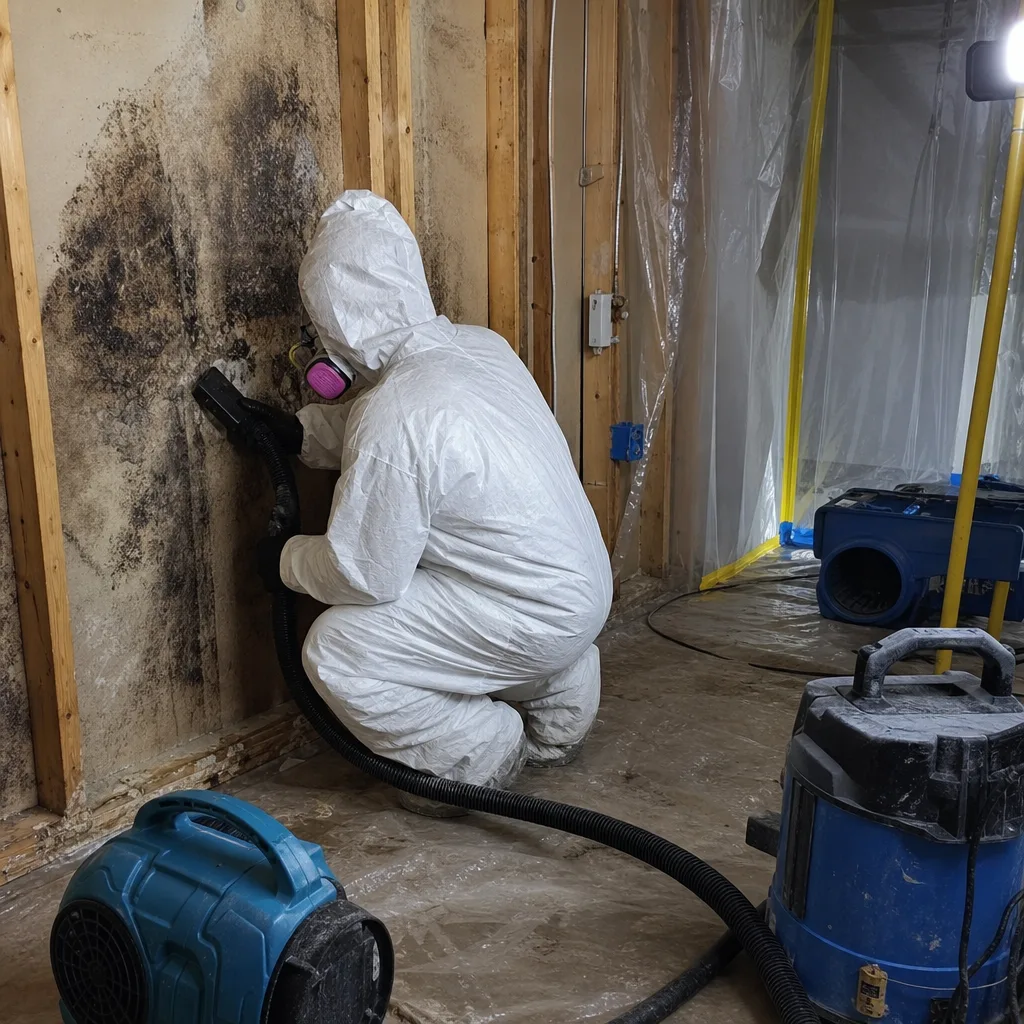
- Assuming emergency mitigation covers all permit requirements. Water extraction doesn’t need a permit, but the drywall replacement that follows almost always does. Treat these as separate phases with separate compliance obligations.
- Trusting verbal permit assurances without portal verification. “I’ll pull it tomorrow” becomes “I thought it wasn’t needed” becomes your violation notice. Verify independently, every time.
- Paying in full before final inspection passes. A contractor with your full payment has reduced incentive to schedule and pass final inspection. Structure payment to release final funds only after finaled status is confirmed.
- Discarding permit documentation with closing paperwork. Keep permits and inspections for the duration of ownership plus seven years. They survive longer than most insurance policies and matter more at sale than at repair.
- Hiring unlicensed contractors for permitted work. Palm Beach County requires licensed contractors to pull permits. An unlicensed contractor who offers to “have a friend pull the permit” is arranging permit fraud. Verify license status at myfloridalicense.com.
- Ignoring the “finaled” distinction. An issued permit that never closes creates the same title and insurance problems as no permit. Follow through to final status.
- Failing to disclose unpermitted work at sale. Florida’s disclosure requirements are specific. “I didn’t know” fails when public records exist. Proactive disclosure with documentation of corrective permits is the only safe path.
When to Call a Professional
Call a licensed restoration contractor when damage involves structural materials, electrical systems, HVAC, or plumbing - the permit-triggering categories. Call immediately when you suspect mold behind walls, sewage contamination, or fire damage with structural compromise. In West Palm Beach’s humidity, delays turn mitigation into reconstruction and reconstruction into code compliance problems.
DryMark Restoration West Palm Beach offers free estimates in West Palm Beach - call (561) 290-5060. Every estimate includes a written scope that identifies permit requirements before work begins, documented to Haven Standard, Clause 1. We also provide a Free Second Opinion on any competitor’s written estimate, reviewing their permit plan as part of our assessment.
Frequently Asked Questions
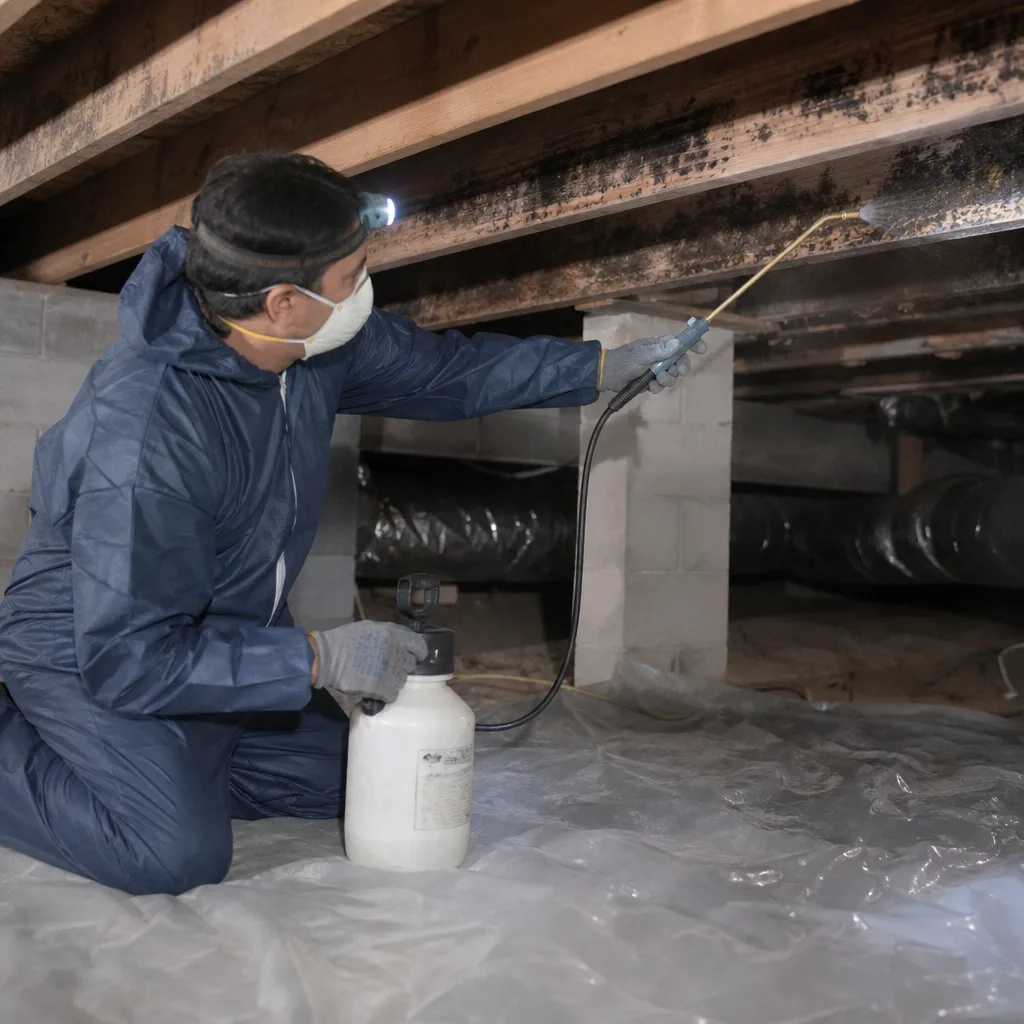
No. Pure mitigation - water extraction, structural drying with equipment like B-Air and Phoenix dehumidifiers, and moisture monitoring - typically does not require a permit. The permit requirement triggers when you cross into repair: drywall replacement, electrical repair, flooring installation, or any work valued over $1,000 in Palm Beach County. Always get a written scope that identifies where mitigation ends and repair begins.
Search the Palm Beach County permit portal at pbcgov.com/pzb/building using your exact property address. Verify status shows “Issued” before work starts and “Finaled” before final payment. A permit that stays in “Issued” or “Inspection Required” status means compliance is incomplete, and you bear the risk. We provide permit numbers and portal instructions with every DryMark Restoration West Palm Beach job that requires permitting.
Current damage may be covered if the policy was in force, but future claims involving the same area face heightened scrutiny. Insurers increasingly query permit records before paying structural repair claims. Unpermitted work also voids your argument that repairs were performed to professional standard. Documented permits and inspections are your strongest coverage protection. Call (561) 290-5060 for a free estimate that includes permit planning.
Florida sellers must disclose work performed without required permits. Failure to disclose exposes you to post-closing fraud claims. Buyers increasingly run permit searches before offer. Discovery of unpermitted work typically triggers price renegotiation, repair demands, or transaction cancellation. The only remedy is retroactive permitting, which requires opening walls to prove code compliance - essentially paying for restoration twice.
Simple permits issue in 3-5 business days for straightforward repairs like drywall replacement or electrical repair. Complex permits involving structural modification or substantial improvement review take 2-4 weeks. Emergency permits exist for imminent safety hazards but still require inspection. A contractor who begins repair work before permit issuance is gambling with your compliance status. Our written scopes include realistic permit timelines for every West Palm Beach job.
Florida allows owner-builder permits, but this path carries significant risk. Owner-builders assume full responsibility for code compliance, inspection scheduling, and contractor oversight. Insurance claims involving owner-builder work face additional scrutiny. Most importantly, owner-builder permits don’t transfer liability - they concentrate it on you. For restoration work involving multiple trades, professional permit management is the lower-risk path.
The Bottom Line
Permits aren’t bureaucratic overhead. In Florida’s restoration context, they’re documentation that a disinterested third party verified your repair met code - documentation that protects your title, your insurance coverage, and your resale value. The cost of permitting is modest compared to the cost of discovery: a failed inspection at sale, a coverage investigation on your next claim, or a code enforcement order requiring wall demolition. Verify permits were pulled and finaled. File the documentation with your insurance records. And demand a written scope that identifies permit requirements before anyone starts work - Haven Standard, Clause 1, applied to compliance as well as price.
Written by Alicia Brennan, Owner at DryMark Restoration West Palm Beach, serving West Palm Beach since 2011.