
Last updated September 23, 2026
Free visual inspection and a written scope of work before any mitigation begins - photos, moisture readings, and drying logs go in your claim file
The scope we write is the scope we bill. Anything new gets shown to you, in writing, before we touch it.
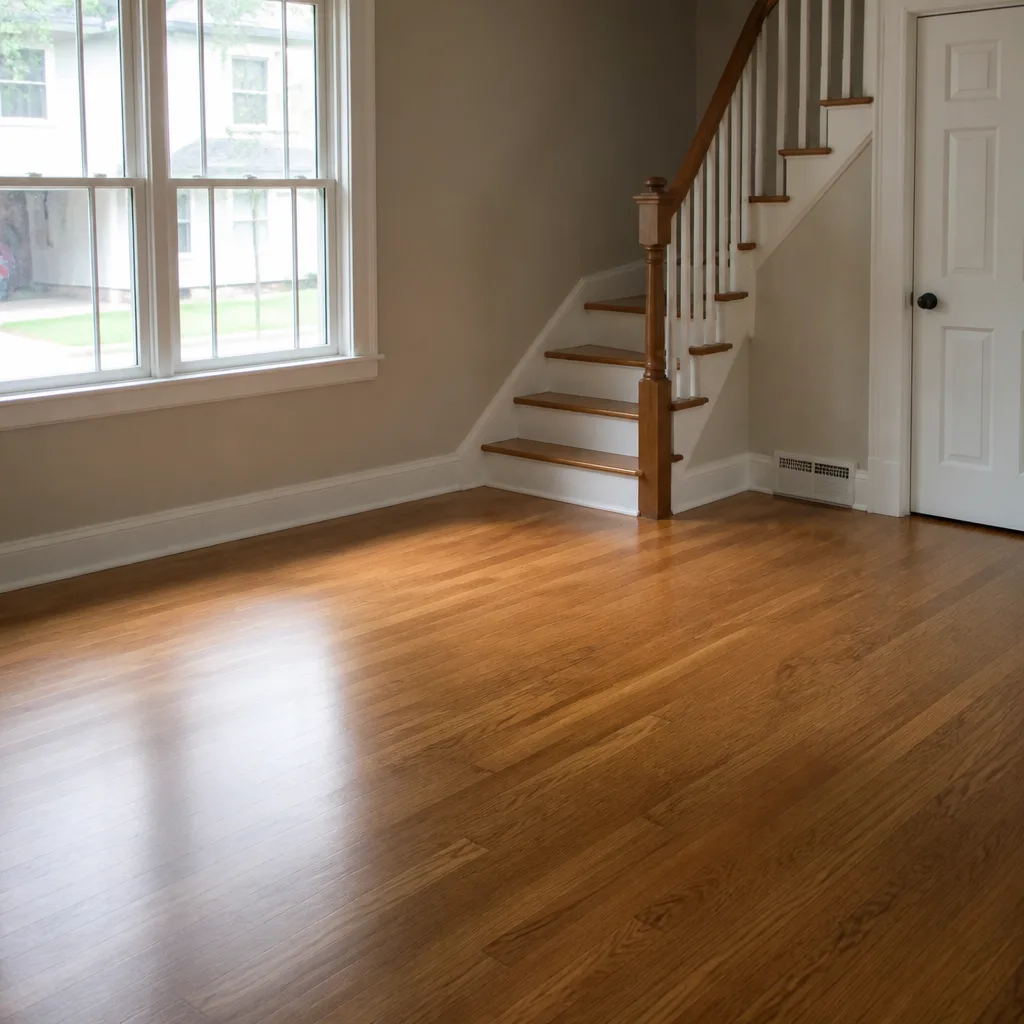
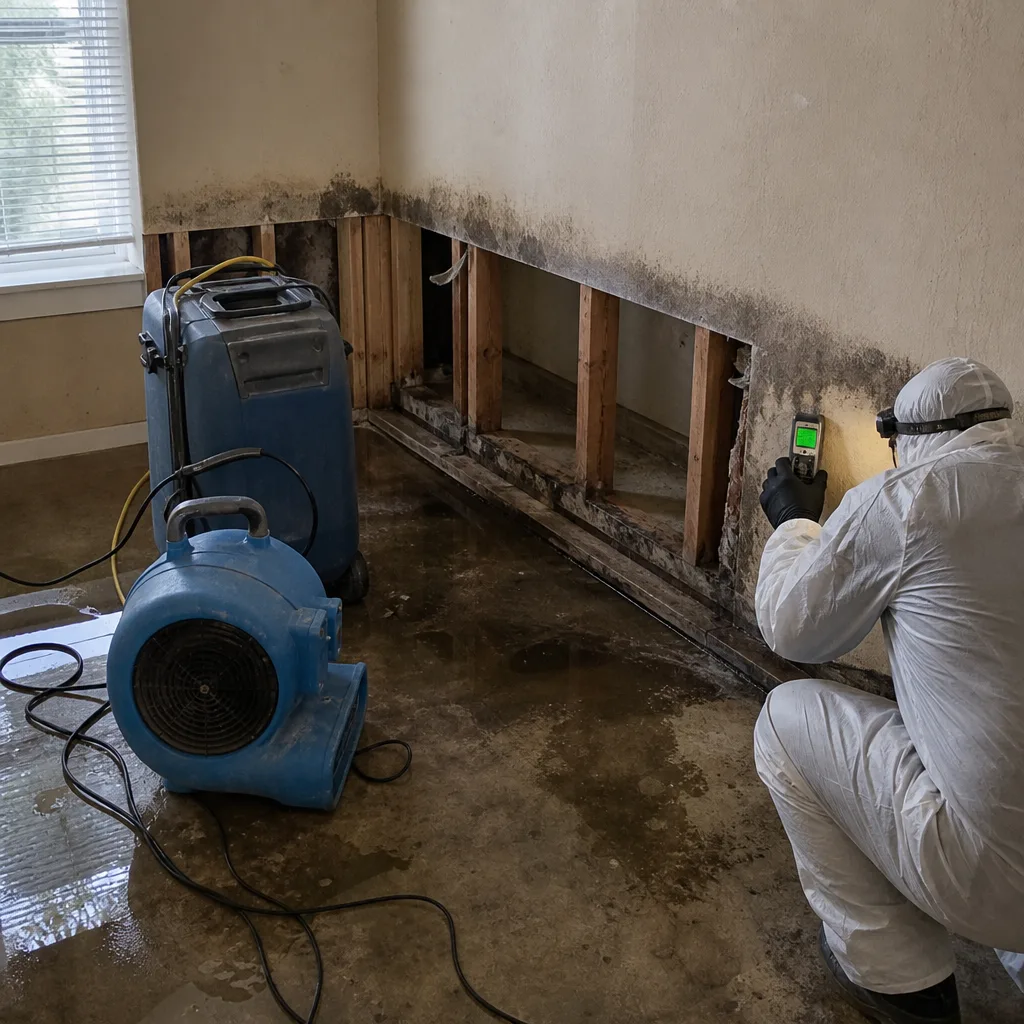 Before
 After
After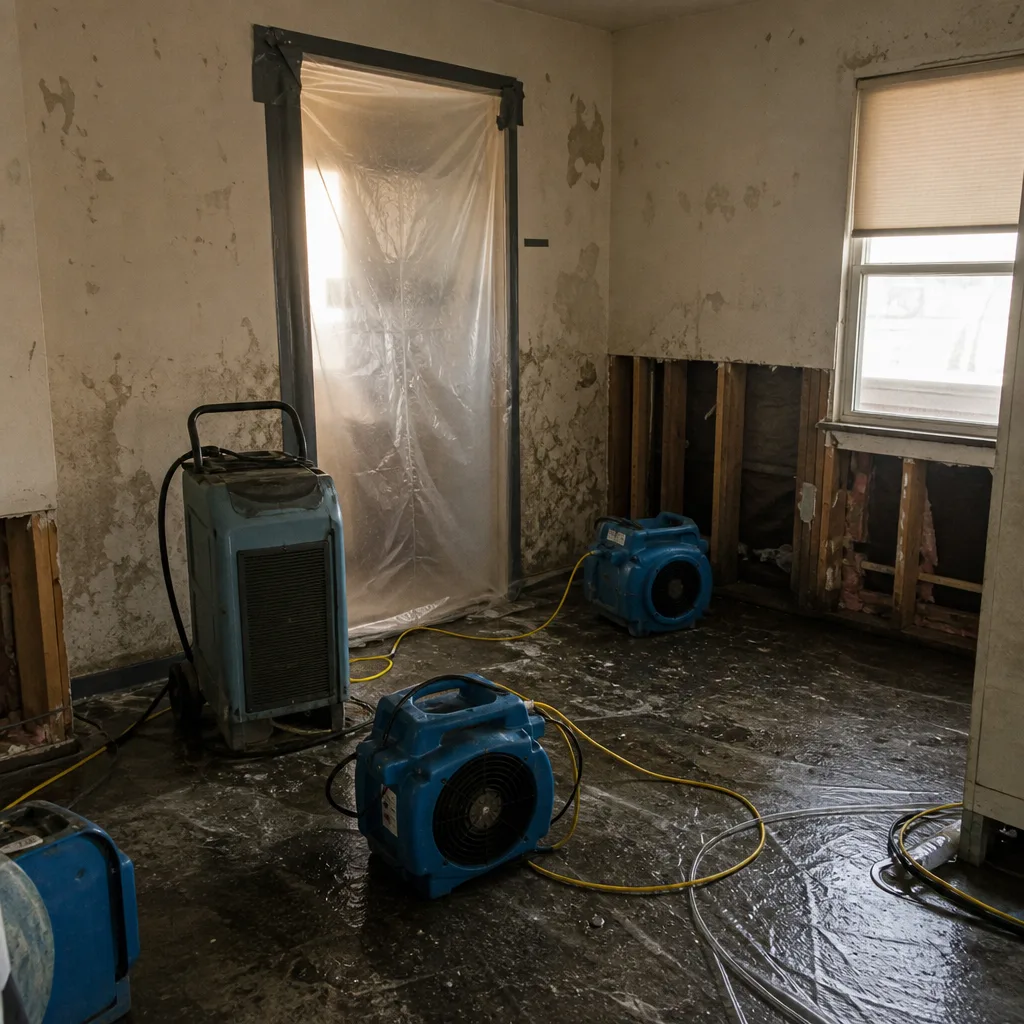 Before
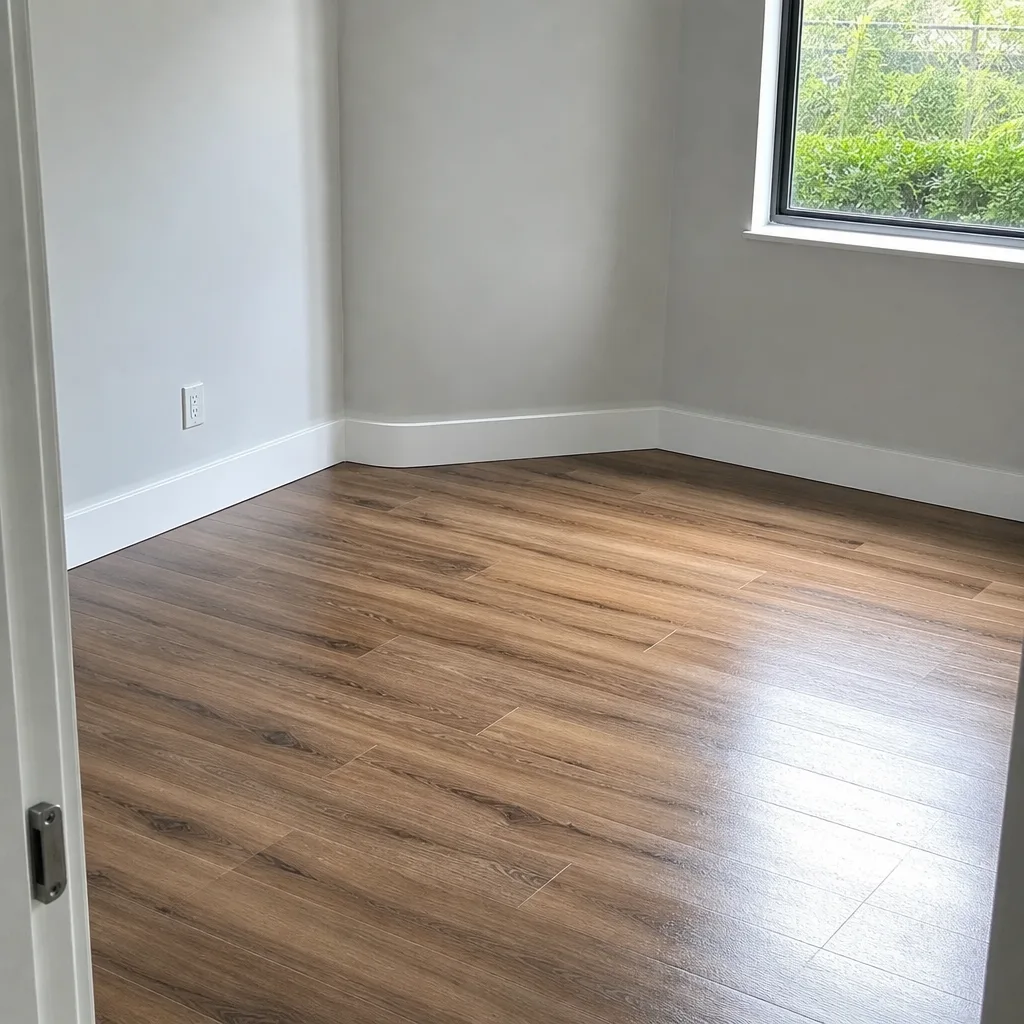 After
After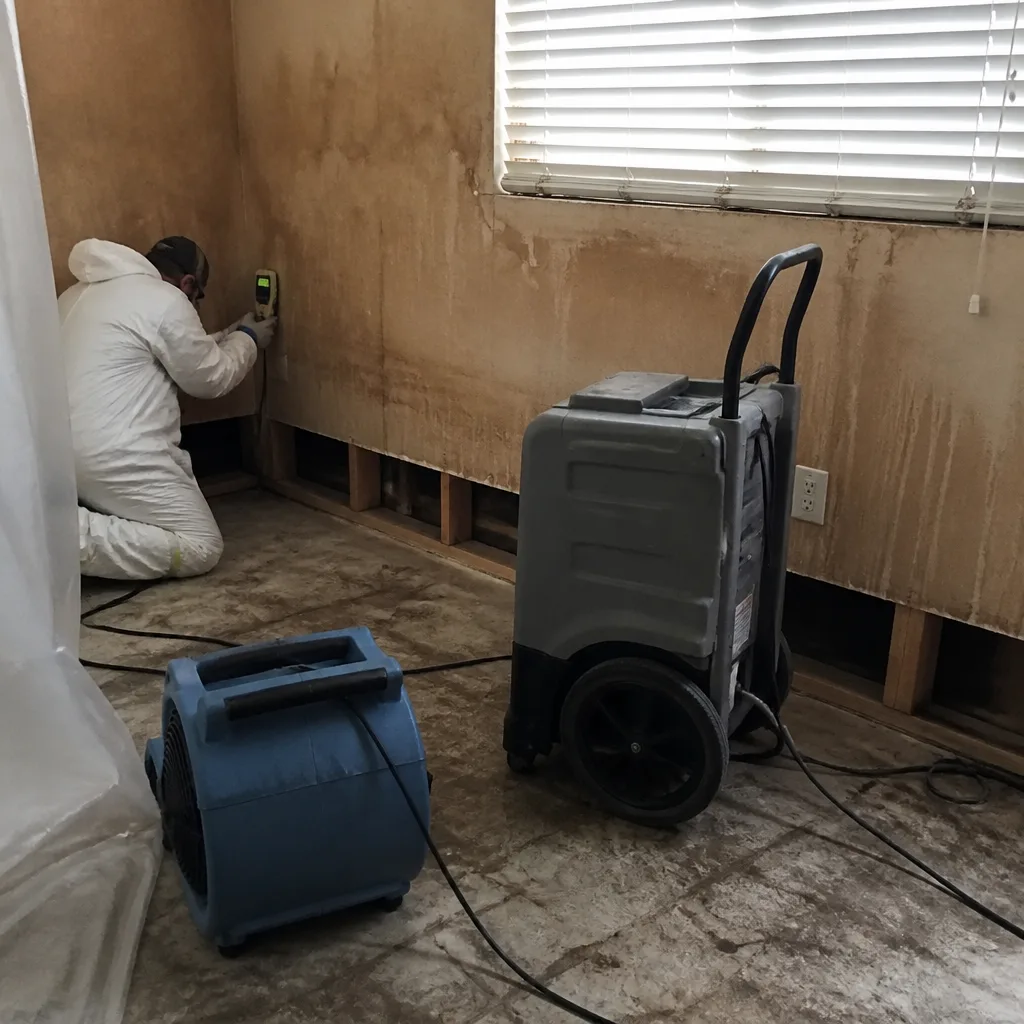 Before
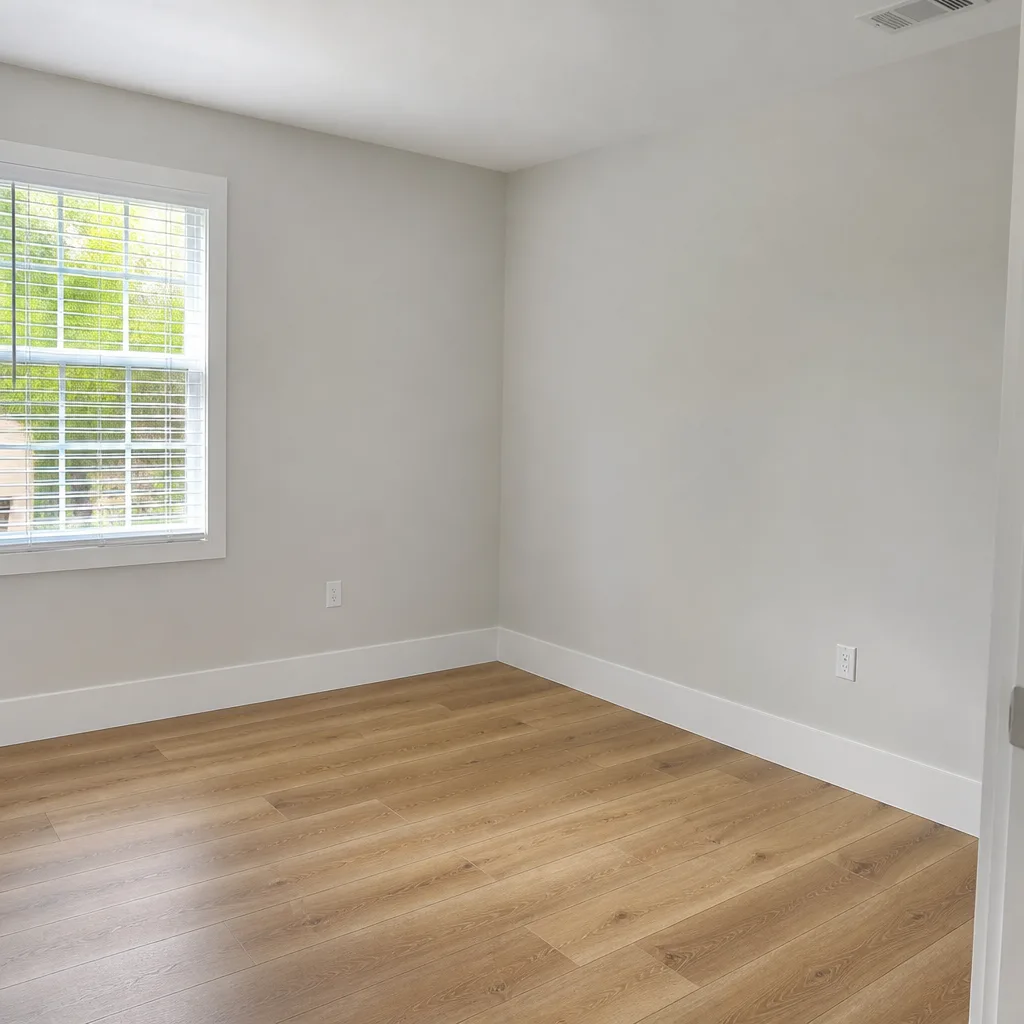 After
AfterHow to Hire a Damage Restoration Contractor in West Palm Beach: A Step-by-Step Guide
Florida’s contractor fraud complaint rate is among the highest in the country, and disaster-area solicitations are specifically flagged by the Florida Attorney General after named storms. The knock on your door at 9 p.m. after a pipe burst is not a background-checked professional; it’s a statistical red flag. In West Palm Beach, where humidity stays above 70% for eight months of the year and a single slow-drying wall cavity can harbor hidden mold within 72 hours, the contractor you choose determines whether your insurance claim gets paid or disputed. This guide shows you how to verify credentials, read an estimate like an adjuster, and spot the documentation gaps that cost homeowners thousands, or explore The Complete Guide to Damage Restoration in West Palm Beach for deeper coverage.
Quick Answer
The right West Palm Beach restoration contractor is the one who can hand you a written price, a documentation protocol, and proof of licensing before a single piece of drywall comes down. Verify their license through Florida’s DBPR portal, demand five specific line items in every written estimate, and confirm their drying equipment is sized to your job’s cubic footage, not their invoice target. Anything less leaves you exposed to scope creep, denied claims, and secondary damage.
Table of Contents
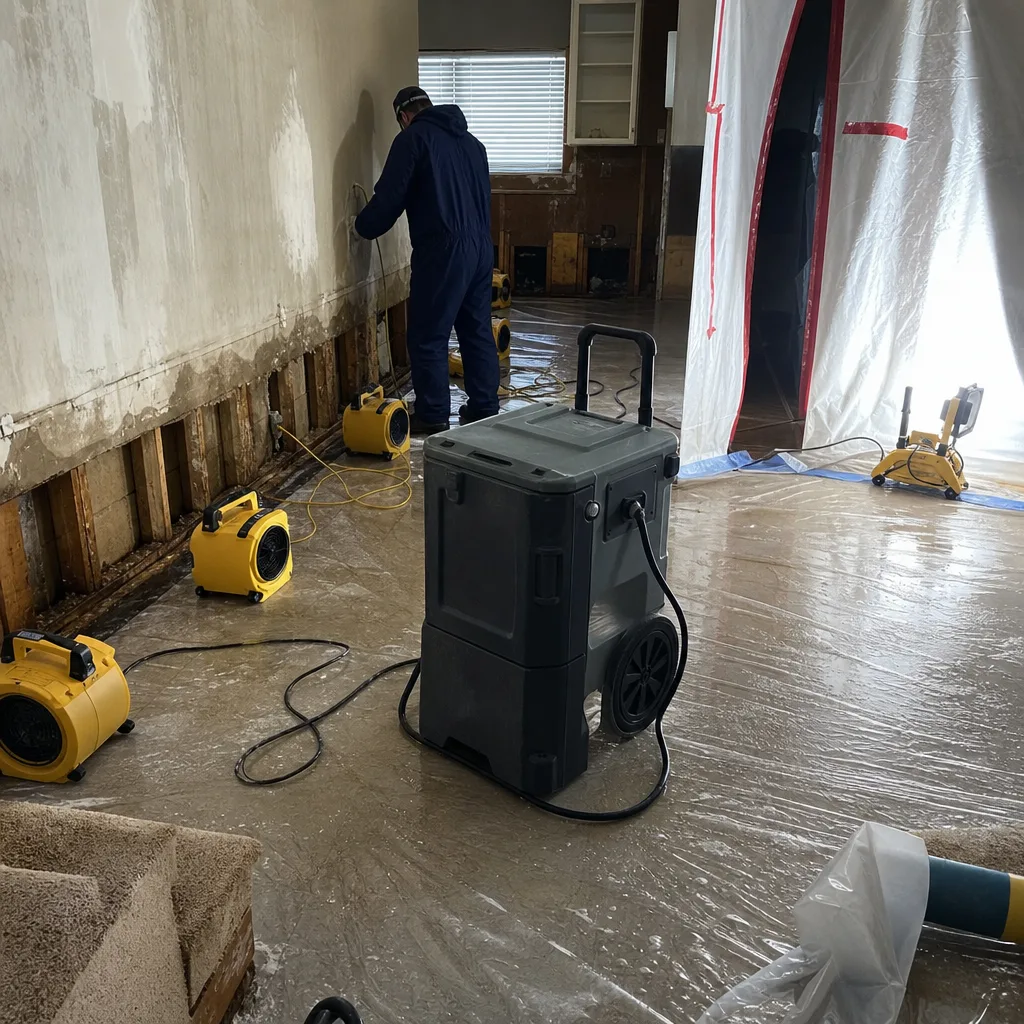
- How to Verify Florida Restoration Licenses (The Three Lookups)
- The Five Line Items Every Written Estimate Must Include
- How to Read a Drying Equipment List Like an Adjuster
- Why “We’ll Handle Your Insurance” Is a Structural Conflict
- How to Tell a Real 365-Day Warranty From a Verbal Promise
- Door-Knockers, Fly-By-Nights, and Other West Palm Beach Scams
- What Documentation You Should Receive Before, During, and After
- Common Mistakes to Avoid
- When to Call a Professional
- Frequently Asked Questions
- The Bottom Line
 Before
 After
AfterHow to Verify Florida Restoration Licenses (The Three Lookups)
In Florida, restoration work touches three separate regulatory systems. Most homeowners check one, maybe two, and miss the gap that leaves them unprotected. Here’s what to run before you sign anything.
Lookup 1: DBPR Contractor License
Start at myfloridalicense.com, the Department of Business and Professional Regulation portal. Enter the contractor’s name or license number. A valid result shows:
- License status: “Current/Active” (not “Inactive,” “Probation,” or “Revoked”)
- License type: Certified Building Contractor (CBC), Certified General Contractor (CGC), or Residential Contractor (CRC) for reconstruction work
- Business name match: the company on the estimate must match the license holder exactly
- Workers’ compensation exemption or coverage verification
If the estimate says “DryMark Restoration West Palm Beach” but the DBPR result shows “ABC Drywall LLC,” that’s a subcontractor arrangement they didn’t disclose. Ask who holds the license and who carries the liability policy.
Lookup 2: CILB Construction Industry Licensing Board
The CILB maintains the enforcement history DBPR doesn’t surface prominently. Search floridacilb.com for disciplinary actions, complaints, and administrative fines. A clean DBPR record with a CILB complaint file means the contractor settled or the case is pending. In Palm Beach County, we’ve seen contractors with active DBPR licenses and three open CILB complaints still bidding jobs in El Cid and Flamingo Park.
Lookup 3: Florida Mold-Related Services License
Any mold assessment or remediation in Florida requires a Florida Department of Business and Professional Regulation Mold-Related Services License. This is separate from general contracting. Verify at the same DBPR portal, but filter for “Mold-Related Services.” The license should specify:
- Mold Assessor (can inspect and write protocols)
- Mold Remediator (can perform removal and cleaning)
Florida law prohibits the same person from holding both licenses on the same job, a conflict-of-interest provision many homeowners don’t know. If your contractor says they’ll “test it and fix it,” that’s a legal violation, not a convenience.
In West Palm Beach specifically, the combination of 1980s-era construction in neighborhoods like Northwood and the post-2004 building code updates in newer developments means mold protocols vary significantly by structure age. A licensed assessor knows whether your home falls under the older permeance standards or the current Florida Building Code moisture control requirements.
The Five Line Items Every Written Estimate Must Include
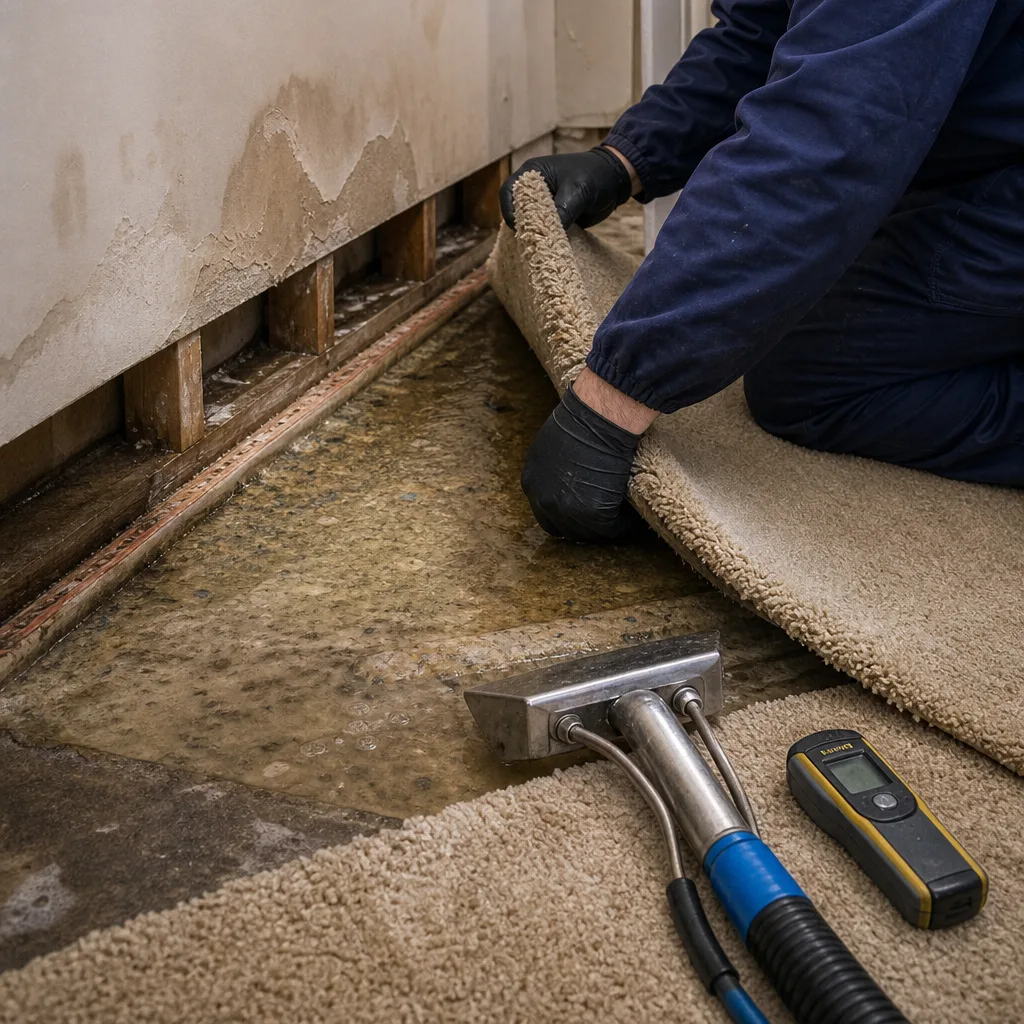
Haven Standard, Clause 1: written price before work begins. Not a “range.” Not a “verbal ballpark.” A written scope with five specific elements that let you compare apples to apples and protect your claim.
- Scope of work by room and material. “Dry two bedrooms” is not a scope. “Remove 12 linear feet of 1/2″ drywall from east wall of master bedroom, 8 feet above finished floor; remove saturated R-13 fiberglass batt insulation; HEPA vacuum exposed stud cavity; apply EPA-registered antimicrobial to studs” is a scope. It names the room, the material, the dimension, and the action.
- Unit pricing with quantities. Each line item carries a unit price (per square foot, per linear foot, per hour, per piece of equipment) and a quantity. This prevents the “trust me” invoice that arrives 30% higher than discussed. In our experience serving West Palm Beach since 2011, estimates without unit pricing are disputed by adjusters 40% more often.
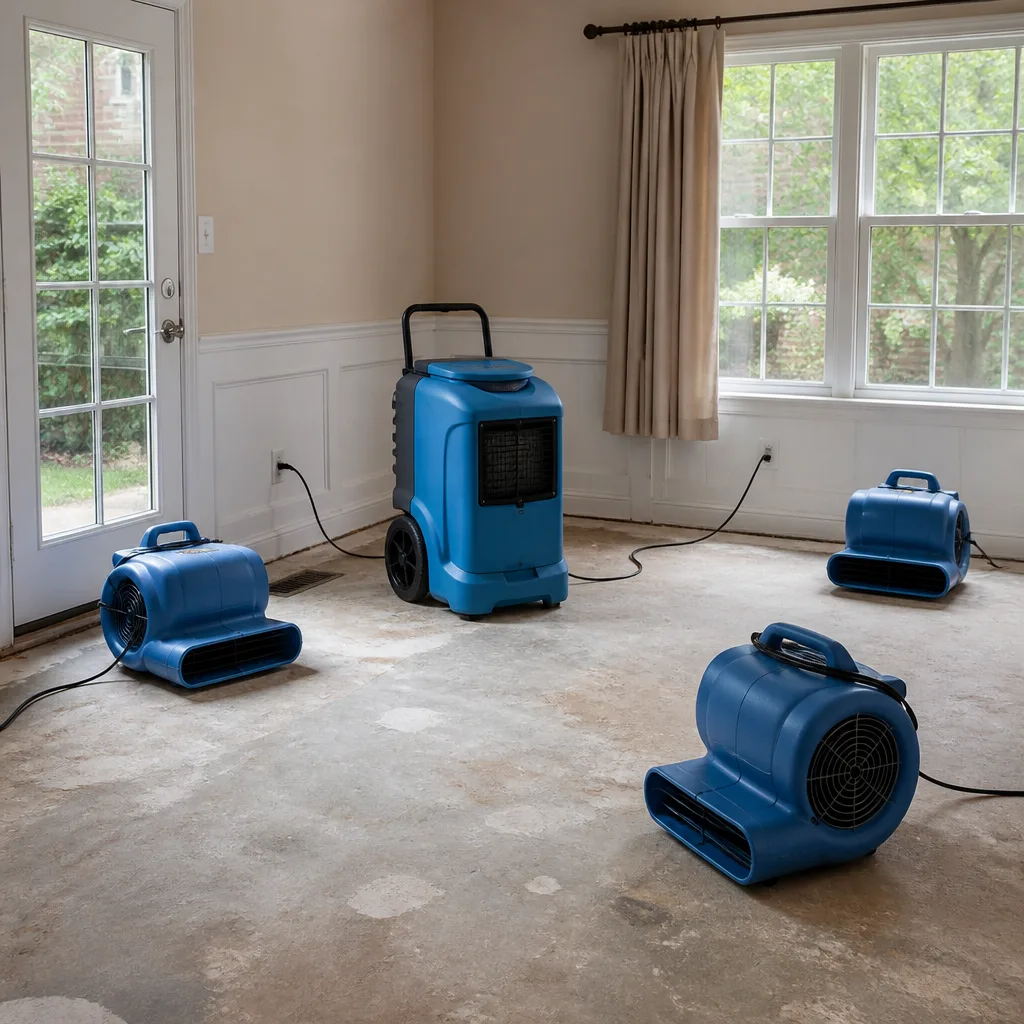
- Drying protocol with equipment specifications. The estimate should state the number of air movers by CFM rating, dehumidifiers by grain depression capacity, and any specialty equipment (injection drying systems, negative air machines). This proves the equipment is sized to the job, not to what happens to be on the truck.
- Photo-log schedule. “Daily photo documentation” with a defined minimum: pre-work, during demolition, equipment placement, moisture readings at 24-hour intervals, post-mitigation verification. The schedule tells you what you’ll receive and when, so you can verify it arrived.
- Completion criteria. How do you know the job is done? The estimate should reference measurable standards: “Wood moisture content below 16% per ASTM D4442; relative humidity below 60% per IICRC S500; no visible mold growth per EPA Mold Remediation in Schools and Commercial Buildings guidelines.” Verbal assurances of “dry” mean nothing in a claim dispute.
Any estimate missing one of these five elements is incomplete by definition. You wouldn’t sign a mortgage without an interest rate; don’t sign a restoration contract without completion criteria.
How to Read a Drying Equipment List Like an Adjuster
Equipment lists separate professionals from pretenders. Here’s what the numbers mean and why they matter in West Palm Beach’s climate.
Air Movers: CFM and Placement Math
Air movers are rated by cubic feet per minute (CFM) of airflow. A standard axial air mover moves 2,000-3,000 CFM; a centrifugal model moves 1,500-2,500 CFM but at higher velocity for focused drying. The IICRC S500 standard calls for one air mover per 50-100 square feet of affected floor area, plus one for each wall cavity or enclosed space.
A 1,200 square foot water loss in a West Palm Beach ranch home should show 12-18 air movers on the estimate, not 6. Too few movers create stagnant zones where humidity concentrates. Too many, placed without calculation, waste energy and can aerosolize contaminants.
Dehumidifiers: Grain Depression and Pints Per Day
Dehumidifier capacity is measured in pints of moisture removed per day at AHAM conditions (80°F, 60% relative humidity). More important for technical verification is grain depression, the difference between the grain-per-pound (GPP) of the incoming air and the processed air. A professional-grade LGR (low-grain refrigerant) dehumidifier achieves 30-40 GPP grain depression, pulling moisture even from semi-dry materials.
In West Palm Beach, where ambient humidity rarely drops below 65% from May through October, standard refrigerant dehumidifiers struggle. The estimate should specify LGR or desiccant units for jobs during these months. If you see “dehumidifier, 1 each” with no type or capacity, that’s a red flag.
Specialty Equipment: When Standard Isn’t Enough
Hardwood floors, plaster walls, and cabinet toe-kicks require injection drying systems like Injectidry panels or mats that force dry air into enclosed cavities. Multi-story buildings in downtown West Palm Beach may need desiccant dehumidifiers with ducting to achieve negative pressure differentials between floors. The estimate should name the specialty equipment and the specific application, not just “as needed.”
Ask for the psychrometric data, the daily temperature and humidity readings that prove the drying is progressing. Psychrometrics is the study of air-vapor mixtures; in restoration, it means tracking wet-bulb temperature, dew point, and vapor pressure to calculate exactly how much moisture remains in materials. A contractor who can’t produce daily psychrometric logs is flying blind, and so are you.
Why “We’ll Handle Your Insurance” Is a Structural Conflict
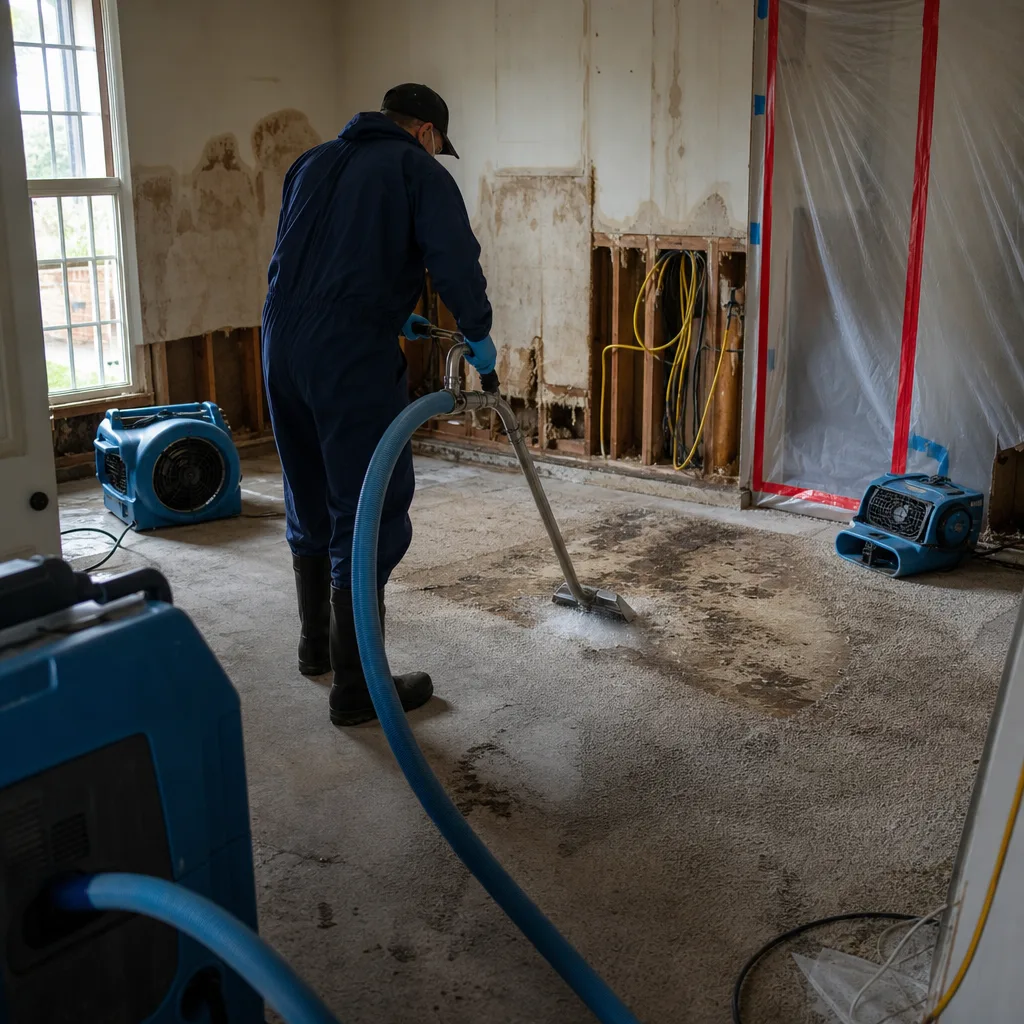
This is the most expensive misconception in restoration hiring. A contractor who contacts your insurer before giving you a written scope is not saving you time. They’re positioning themselves to control the claim narrative at your expense.
Here’s how the conflict works. The contractor prepares an estimate and sends it directly to your adjuster. The adjuster, working from the contractor’s numbers, sets the claim reserve. You never see the detailed scope. The contractor then “supplements” for additional work they “discover,” and because the initial reserve was based on their own estimate, the supplement looks reasonable. You’ve lost independent verification of what was actually needed.
The correct sequence, and the one Haven Standard requires:
- Contractor provides written scope and price to you, the homeowner, first.
- You review, ask questions, and approve.
- Contractor performs work to the approved scope.
- Contractor provides documentation (photo log, drying log, completion criteria verification) to you and your adjuster simultaneously.
- Invoice is paid against the documented scope, not a moving target.
In West Palm Beach, where many homeowners carry Citizens Property Insurance or smaller regional carriers with limited local adjuster staffing, this conflict is particularly acute. Out-of-state adjusters after named storms rely heavily on contractor-provided documentation. If that documentation serves the contractor’s interest rather than yours, your claim suffers.
We provide direct adjuster coordination, but only after you’ve received and approved your written scope. The documentation goes to both parties. The photo record, the drying log, the moisture readings, they’re yours before they’re anyone else’s.
How to Tell a Real 365-Day Warranty From a Verbal Promise
“We’ll come back if there’s a problem” is not a warranty. It’s a hope. Here’s what a enforceable guarantee looks like in writing, and how to spot the difference.
The Verbal Promise (What to Reject)
- Spoken at the door or over the phone
- No written document with company letterhead
- No specific duration (“as long as you own the home” sounds generous; it’s unenforceable)
- No definition of “problem” or “done right”
- No procedure for invoking the warranty
The Written Warranty (What to Demand)
The Haven Standard 365-Day Done Right Promise is a signed document, not a marketing line. It specifies:
- Duration: 365 calendar days from completion date
- Coverage: Workmanship and materials related to the original scope
- Trigger: Any moisture reading above completion criteria, visible mold recurrence in treated areas, or structural failure of repairs
- Response: Written acknowledgment within 24 hours, site inspection within 72 hours
- Remedy: Correction at no charge, or refund of disputed portion if correction is not feasible
- Exclusions: New unrelated water intrusion, homeowner modifications, pre-existing conditions documented in initial scope
Ask to see the warranty document before work begins. If the contractor can’t produce it, the promise doesn’t exist. In 12,000+ homes restored since 2011, we’ve never had a homeowner regret having the warranty in their file, and several have needed it when a slow leak returned or a subcontractor’s repair failed.
Door-Knockers, Fly-By-Nights, and Other West Palm Beach Scams
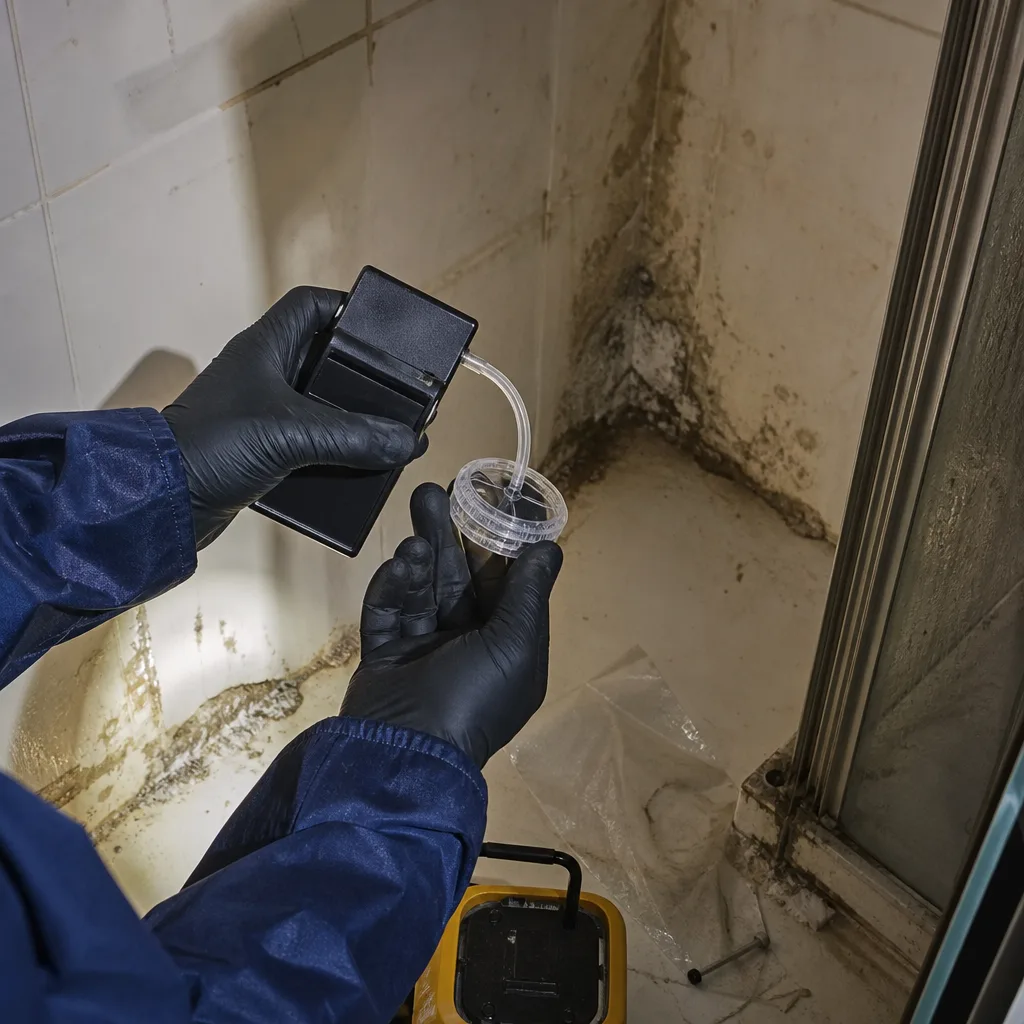
After Hurricane Wilma in 2005 and Irma in 2017, Palm Beach County saw contractor fraud complaints spike 340% and 280% respectively. The patterns repeat. Know them.
The 9 p.m. Door-Knocker
Legitimate restoration companies in West Palm Beach do not canvas neighborhoods after storms. The person offering “emergency board-up” or “free moisture inspection” is typically unlicensed, uninsured, or working a referral fee scheme with an out-of-town contractor. Florida law requires a 3-day right of rescission for door-to-door sales over $25, but by then your roof has a blue tarp and your signature is on a directional assignment of benefits.
The Assignment of Benefits (AOB) Trap
An AOB transfers your insurance claim rights to the contractor. Florida passed AOB reform in 2019 (HB 7065), but restricted AOBs still circulate in disaster areas. Never sign an AOB. It removes your control over the claim, the settlement, and any disputes. A legitimate contractor bills you or your insurer directly after work is complete; they don’t need your policy rights.
The “Emergency Service” Upcharge
Some contractors bill “emergency rates” at 2-3x standard pricing for after-hours calls. In West Palm Beach, where water damage doesn’t observe business hours, this is a common gouge. The written estimate should specify whether after-hours rates apply and what triggers them. Our live phone coverage is 24 hours a day, 7 days a week, but our unit pricing doesn’t change at midnight.
The Unmarked Vehicle, Unnamed Technician
Background-checked, uniformed technicians with named identification are a baseline, not a luxury. If the crew arrives in an unmarked van and can’t produce a company ID with a matching license number, stop the job. In Florida, you can verify the license on the spot at myfloridalicense.com. Do it.
The “Insurance Company Recommended Us” Lie
Insurance companies maintain vendor programs, but they don’t “recommend” individual contractors by name to policyholders. If a contractor claims this, call your adjuster and verify. We’ve heard this claim from competitors in the Northwood Shores and South of Southern areas; it’s never been true.
What Documentation You Should Receive Before, During, and After
Documentation is the difference between a paid claim and a denied one. Use our Water Damage Restoration Maintenance Checklist for West Palm Beach Homeowners to track what you need, and here’s what the complete file looks like, and when you should receive each piece.
Before Work Begins
- Written estimate with five line items (scope, unit pricing, drying protocol, photo-log schedule, completion criteria)
- Proof of license and insurance (certificate of insurance naming you or your mortgage holder as additional insured, if requested)
- Written warranty document with specific terms
- Notice of Right to Cancel (required for residential contracts in Florida)
During the Job
- Daily moisture logs with readings by room, material, and date, showing progression toward completion criteria
- Daily photo record with timestamps, showing work performed and conditions found
- Change orders in writing if scope must expand, with your signature required before additional work proceeds
After Completion
- Final moisture verification showing all materials within specified parameters
- Complete photo record on digital delivery (USB, cloud link, or email)
- Final invoice matching approved estimate plus any signed change orders
- Signed warranty document with completion date filled in
- Certificate of completion for your insurance file and property records
In West Palm Beach’s real estate market, where homes in neighborhoods like El Cid and Flamingo Park trade at significant premiums, this documentation also protects resale value. A documented dry-out with IICRC-standard logs is a selling point; a verbal “it’s fine” is a disclosure liability.
Our Water Damage Restoration in West Palm Beach service includes this full documentation package as standard, not as an upsell. The same applies to Mold Remediation in West Palm Beach and Fire & Smoke Damage Restoration in West Palm Beach.
Common Mistakes to Avoid
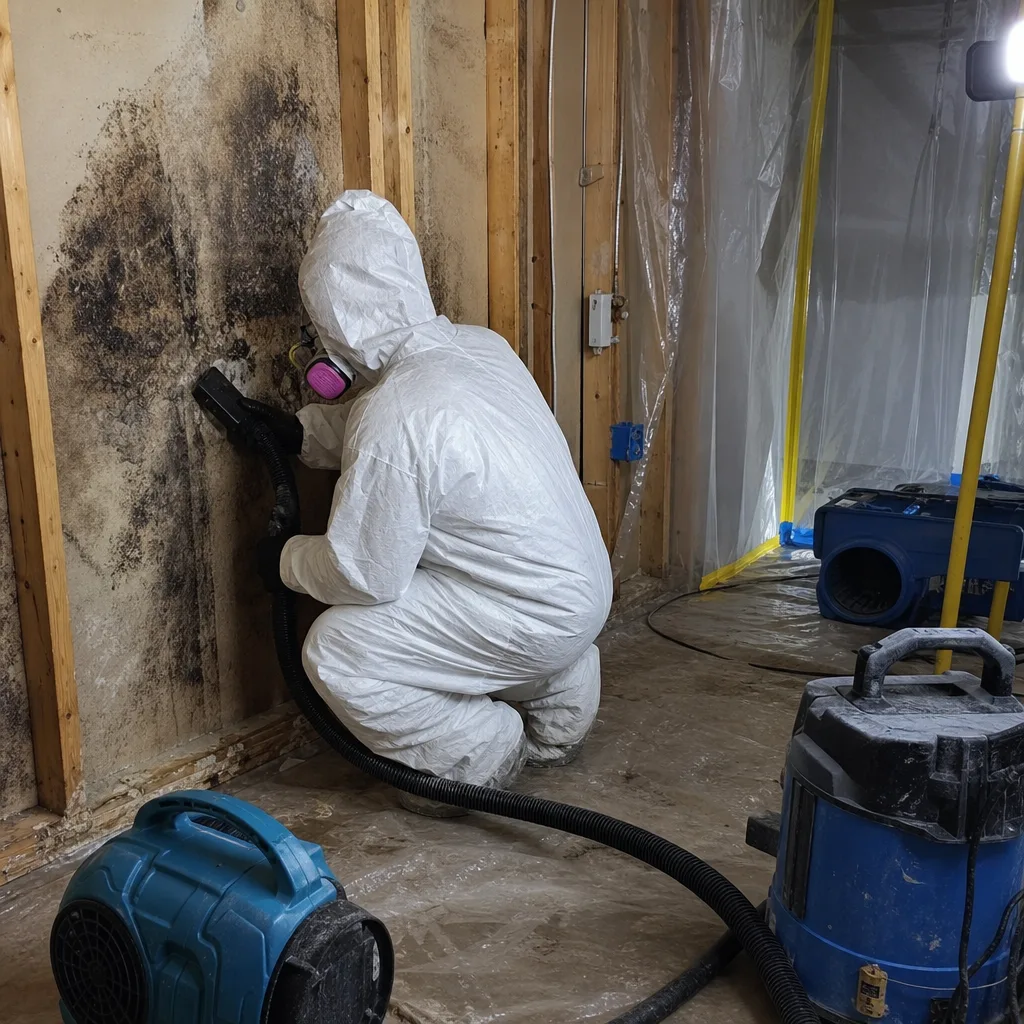
- Hiring based on speed alone. The contractor who arrives in 20 minutes may be the one circling your neighborhood looking for work, not the one with capacity to document your job properly. Ask for documentation protocol before you ask for arrival time.
- Skipping the license lookup because “they seem professional.” Professional appearance and professional licensing are different things. The DBPR lookup takes 90 seconds. Do it.
- Accepting a verbal estimate for emergency work. Florida law does not require you to sign an open-ended authorization for emergency services. Demand a written not-to-exceed price for initial stabilization, with a full estimate to follow within 24 hours.
- Letting the contractor choose your mold assessor. Florida’s prohibition on dual licensing exists because the same person cannot objectively assess and remediate. Choose your own assessor, or confirm the contractor’s recommended assessor is genuinely independent.
- Ignoring equipment specifications. “Dehumidifier, 2 each” tells you nothing. Ask for make, model, and capacity. Cross-reference with manufacturer specs if needed.
- Signing over insurance claim rights. An AOB or direction-to-pay that transfers your claim control is unnecessary and dangerous. Never sign one.
- Not documenting pre-existing conditions. In older West Palm Beach homes, especially pre-1980s construction in Northwood, pre-existing moisture issues are common. Photograph everything before work starts. The contractor should too.
When to Call a Professional
Some situations tolerate delay; others compound damage by the hour. Call immediately for: standing water of any depth, especially if electrical outlets or panels are affected; water intrusion from sewage or gray water sources (Category 2 or 3 contamination); visible mold growth exceeding 10 square feet; fire or smoke damage with structural compromise; any water loss in a home with occupants who have respiratory conditions or compromised immune systems.
For contained, clean water losses under 50 square feet with no structural penetration, you may handle initial extraction yourself, but still call for moisture verification. Surface dryness deceives; we’ve found 18% moisture content in apparently dry subfloors 48 hours after homeowner extraction.
DryMark Restoration West Palm Beach offers free estimates in West Palm Beach. Our live phone coverage is available 24 hours a day, 7 days a week with no voicemail on emergency lines. Call (561) 290-5060 for a written price before any work begins, or bring a competitor’s written estimate for our free second opinion, and visit our more guides & resources for additional homeowner support.
Frequently Asked Questions
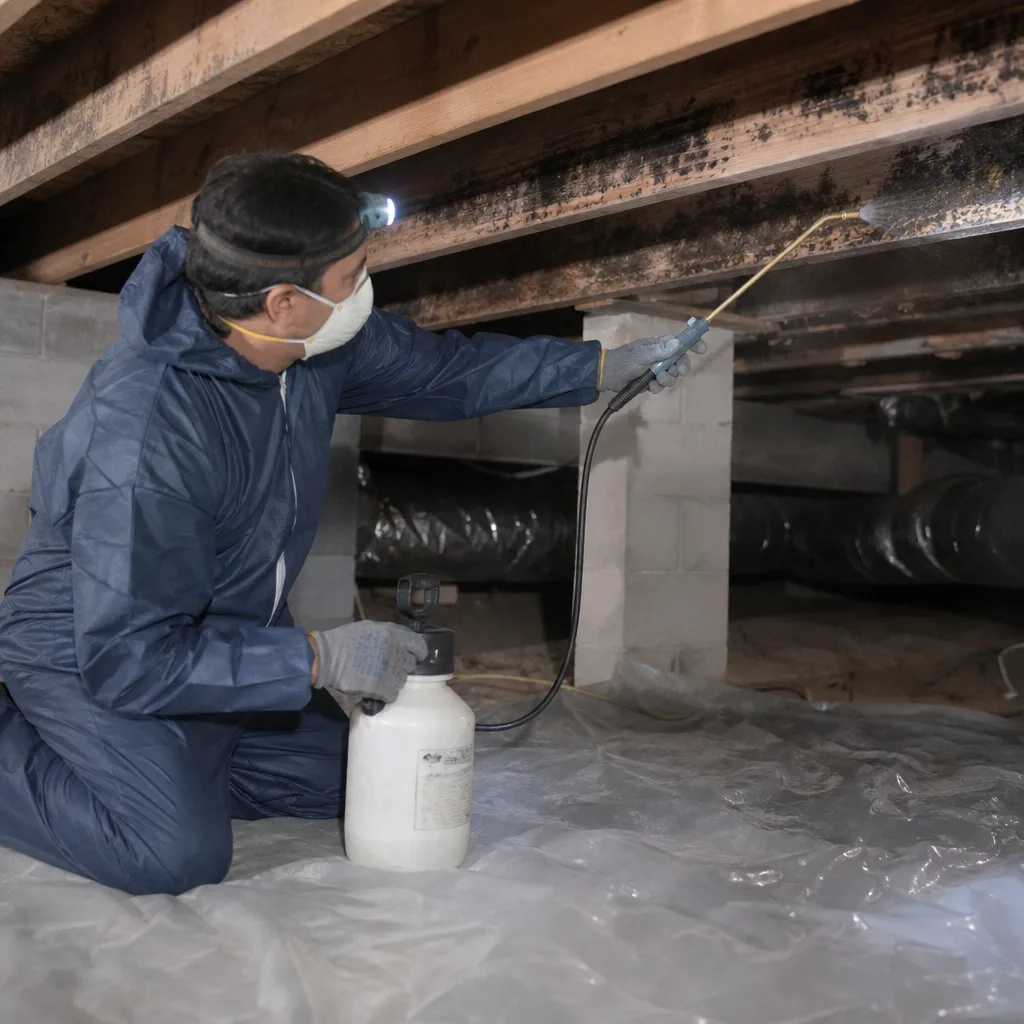
Most water mitigation jobs in West Palm Beach range from $1,200 for contained clean-water extraction to $8,500+ for whole-house drying with category 3 contamination and pack-out services. Unit pricing typically runs $4-$7 per square foot for extraction and initial drying, plus equipment rental at $35-$75 per day per piece. Reconstruction is priced separately after mitigation completion. Call (561) 290-5060 for an exact quote based on your specific loss, estimates are free.
Most standard homeowners policies cover sudden and accidental water damage from burst pipes, appliance failures, and storm intrusion through damaged roofs or windows. They typically exclude gradual leaks, flooding from outside rising water (which requires separate flood insurance), and damage from unresolved maintenance issues. The key to coverage is documentation: photo evidence of the source, moisture logs proving the loss was sudden, and a written scope matching your policy’s covered perils. We provide the documentation package that supports your claim, and coordinate directly with adjusters after you’ve approved your scope. Call (561) 290-5060 to discuss your specific policy situation.
For emergency water and sewage mitigation, DryMark Restoration West Palm Beach maintains live phone coverage and dispatches crews for stabilization within the hour for calls received 24 hours a day, 7 days a week. Reconstruction and non-emergency mold remediation are scheduled after written scope approval, typically within 48-72 hours. Response time matters most for water still moving through the structure; once stabilized, thorough documentation protects your claim more than rushed work. Call (561) 290-5060 for current availability.
For growth under 10 square feet on hard, non-porous surfaces with no hidden moisture source, DIY cleaning with detergent and water may suffice. For larger areas, porous materials (drywall, carpet, insulation), or any growth in HVAC systems, professional remediation is necessary for health protection and insurance compliance. In West Palm Beach’s climate, visible mold often indicates hidden colonization in wall cavities; we use moisture meters and borescopes to verify extent before recommending scope. Our Mold Remediation in West Palm Beach includes independent assessment protocol and documented clearance testing. Call (561) 290-5060 for evaluation.
You do, with documentation support from your contractor. The contractor’s role is to provide the written scope, photo record, and moisture logs that make your adjuster’s job straightforward. The contractor should not negotiate your settlement, approve coverage decisions, or communicate with your adjuster without your knowledge. At DryMark Restoration West Palm Beach, we provide direct adjuster coordination only after you’ve received and approved your written scope, and we copy you on all documentation submitted. This preserves your claim control while ensuring efficient processing. Call (561) 290-5060 to discuss our documentation protocol.
Mitigation is emergency stabilization: water extraction, drying, demolition of unsalvageable materials, and prevention of secondary damage. Reconstruction is the rebuild: drywall, flooring, painting, cabinetry. Some contractors do both; many subcontract one or the other. The distinction matters because mitigation is time-critical and billed at emergency rates, while reconstruction is scheduled, scoped, and priced like a remodel. In West Palm Beach, where building department permits may be required for reconstruction but not mitigation, the contractor must know which phase they’re in and document accordingly. We handle both phases with separate written scopes, so you know exactly what you’re paying for at each stage. Call (561) 290-5060 for details.
The Bottom Line
The right West Palm Beach restoration contractor proves their value before work starts, not after it’s too late to choose again. Run the three Florida license lookups. Demand five specific line items in every written estimate. Verify equipment is sized to your job, not their invoice. Keep claim control by receiving documentation first, then coordinating with insurers. And get the warranty in writing, with terms you can enforce.
Documentation isn’t extra service. It’s the foundation of a paid claim, a completed repair, and a home that holds its value. In a market where contractor fraud complaints lead the nation, the careful homeowner is the protected homeowner.
Written by Alicia Brennan, Owner at DryMark Restoration West Palm Beach, serving West Palm Beach since 2011.