
Last updated September 23, 2026
Free visual inspection and a written scope of work before any mitigation begins - photos, moisture readings, and drying logs go in your claim file
The scope we write is the scope we bill. Anything new gets shown to you, in writing, before we touch it.
 Before
 After
After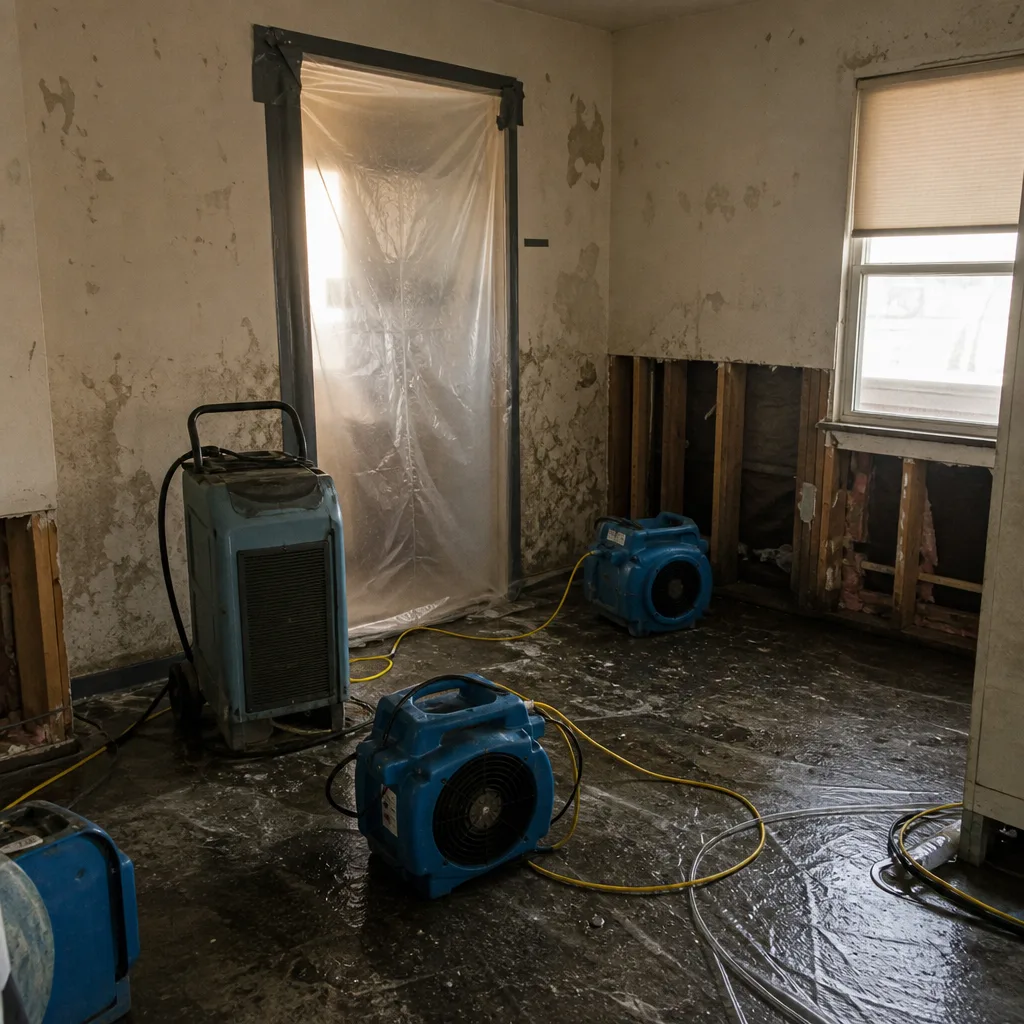 Before
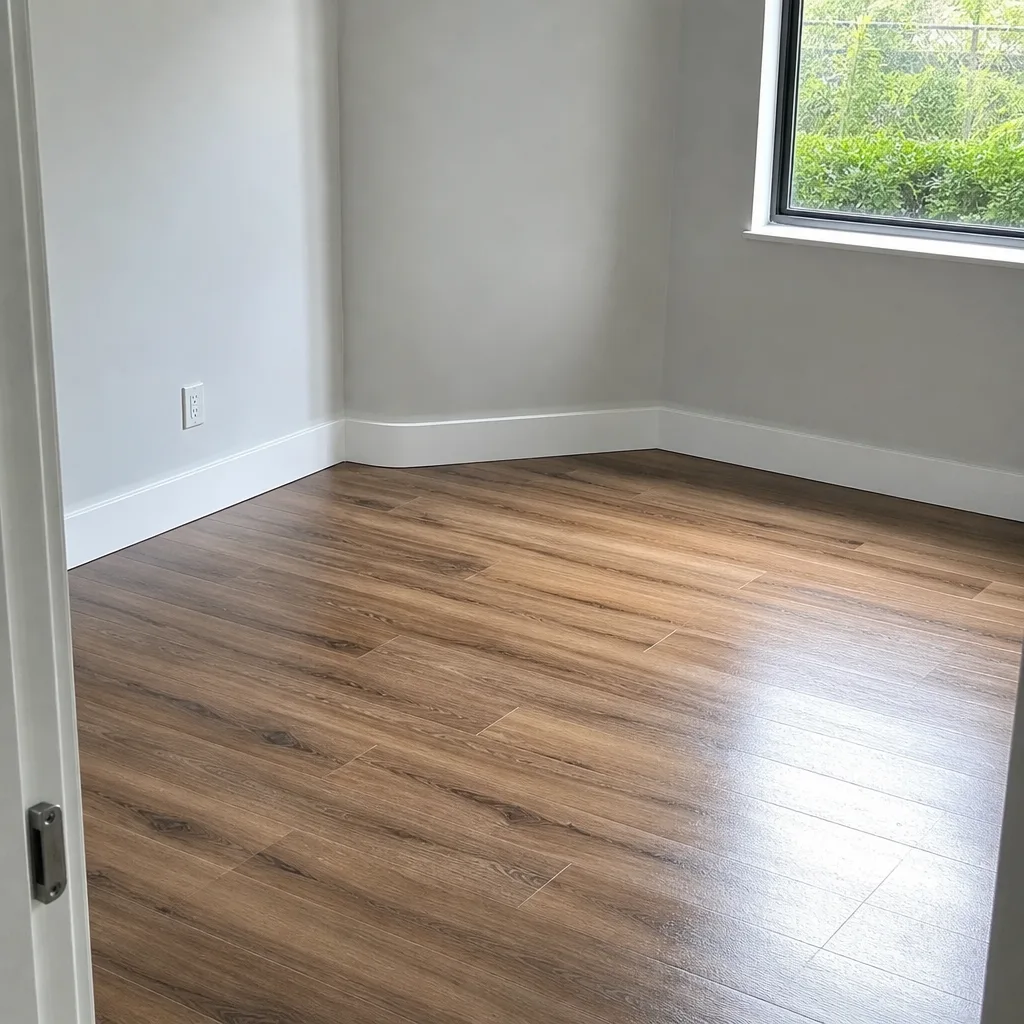 After
After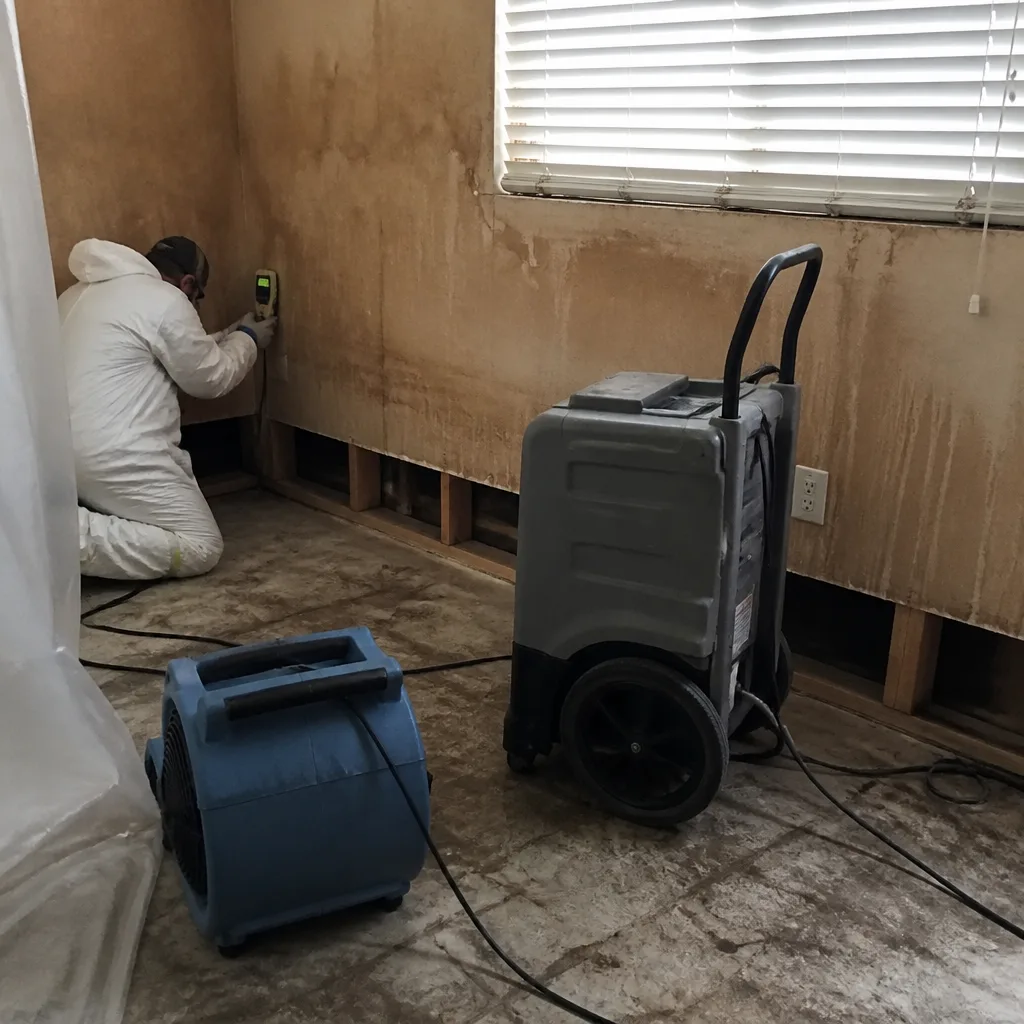 Before
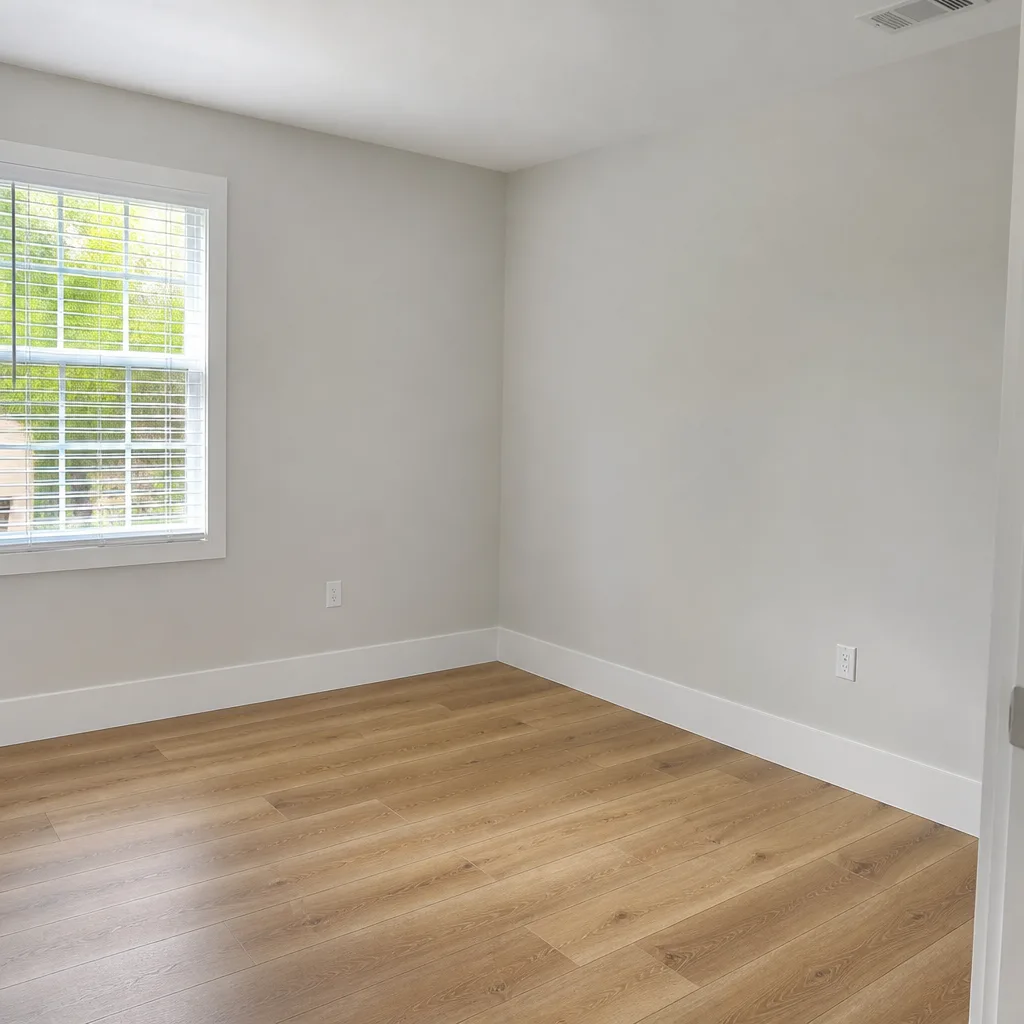 After
AfterDIY vs Professional Damage Restoration: The West Palm Beach Homeowner’s Decision Guide
Here’s a fact most West Palm Beach homeowners learn too late: Florida Statute 627.70132 gives insurers the right to deny a claim if they determine damage was made worse by the policyholder’s actions after the loss. Running a box fan in a flooded room for three days before calling a professional is, under that statute, a documented act of claim-voiding negligence. In this guide, we’ll walk through exactly which restoration tasks are legally safe to handle yourself, which ones require professional documentation to protect your claim, and how to calculate the real break-even point where DIY costs more than hiring a documented contractor. For a deeper look at the selection process, see our How to Hire a Damage Restoration Contractor in West Palm Beach: A Step-by-Step Guide.
Quick Answer
Most West Palm Beach homeowners can safely perform surface water extraction and content removal on minor water damage under 25 square feet. Beyond that threshold, or for any mold contamination exceeding 10 square feet, professional documentation is required to satisfy Florida insurance law and IICRC S500 drying standards. Without psychrometric drying logs and moisture readings, your insurer can classify subsequent damage as homeowner negligence and deny the claim.
Table of Contents
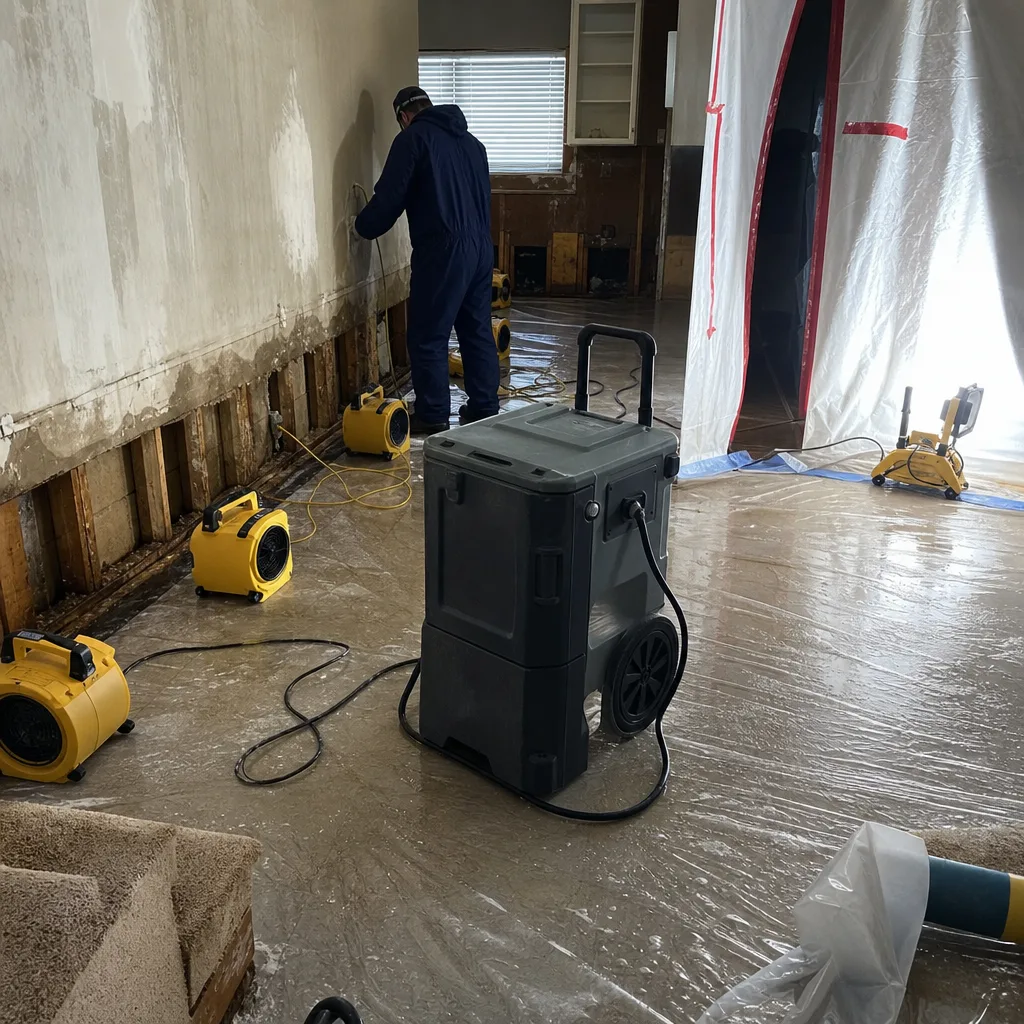
- How Florida Law Changes the DIY Calculation
- What Homeowners Can Safely Do Themselves
- The Documentation Gap That Kills Claims
- Florida’s Mold Law: Where DIY Becomes Illegal
- The Equipment Rental Break-Even Point
- How Adjusters Use IICRC S500 to Deny Claims
- What Documentation Your DIY Attempt Must Generate
- West Palm Beach Climate and Building Factors
 Before
 After
AfterHow Florida Law Changes the DIY Calculation
Florida operates under a post-loss mitigation duty that most homeowners don’t discover until they’re reading a denial letter. Statute 627.70132 requires policyholders to take “reasonable steps” to protect property from further damage after a loss. The statute sounds protective, but insurers have successfully argued that unreasonable DIY drying attempts, prolonged moisture exposure, or failure to document conditions constitute a breach of this duty.
We’ve reviewed hundreds of claim files since 2011. The pattern is consistent: a pipe bursts in a West Palm Beach home near Flamingo Park or El Cid, the homeowner extracts visible water with a wet-dry vacuum, sets up fans, and waits. Three days later, musty odor appears. They call a contractor. The contractor finds elevated moisture in the drywall cavity, the baseplate, and the subfloor. The insurer sends an engineer who documents that the delay between initial loss and professional intervention allowed secondary damage to develop. The claim for mold remediation is denied as excluded under the policy’s mold cap or negligence exclusion.
The critical distinction: the statute doesn’t require you to hire a professional immediately. It requires reasonable action. But “reasonable” is defined in retrospect by adjusters who have seen thousands of losses. What looks reasonable to a homeowner, a box fan and open windows, looks like inadequate moisture control to an adjuster who knows that drywall at 16% moisture content will support mold in 48 to 72 hours in West Palm Beach’s climate.
Here’s what the statute means in practice:
- Same-day professional response with documented moisture readings creates a defensible timeline
- DIY attempts without moisture documentation leave the burden of proof on the homeowner
- Any delay beyond 24 hours in Florida’s humidity requires written justification in the claim file
- Insurers increasingly deploy moisture-mapping engineers to disputed claims, and their findings control
The law doesn’t ban DIY restoration. It bans undocumented DIY restoration if you expect your insurer to pay for subsequent damage.
What Homeowners Can Safely Do Themselves
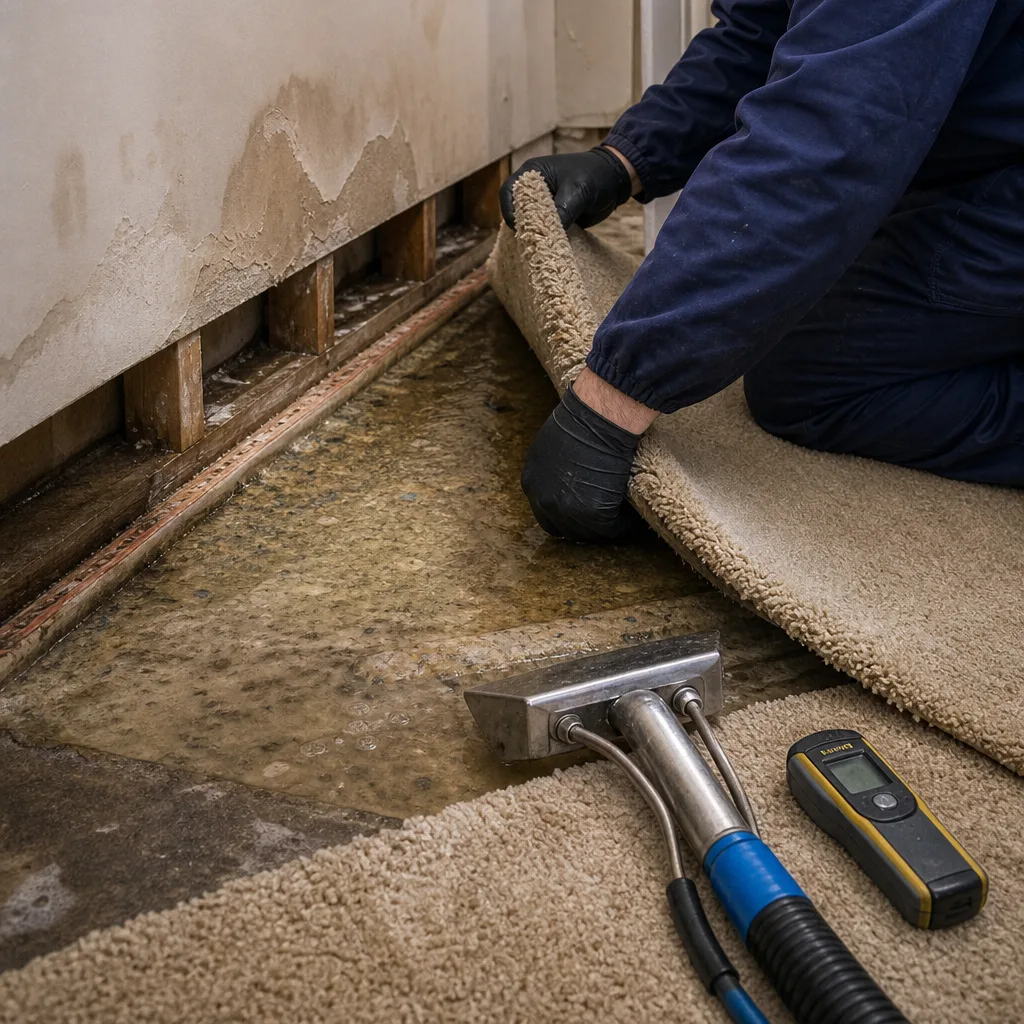
There is a narrow corridor of safe DIY activity in water damage response. It exists in the first hours after a loss, before microbial growth thresholds are crossed, and it ends where concealed moisture begins. Understanding this corridor saves both money and claim validity.
Tasks that preserve claim value when performed by homeowners:
- Photographic documentation of the source and all visible damage before moving anything. Date-stamped, room-by-room, with close-ups of water lines on walls and standing water depth. This establishes the pre-mitigation condition that adjusters use to scope initial damage.
- Source stop if the water is from a clean source and the shutoff is accessible. Turning off a supply line to a toilet or ice maker stops the loss from expanding. Document the time of shutoff.
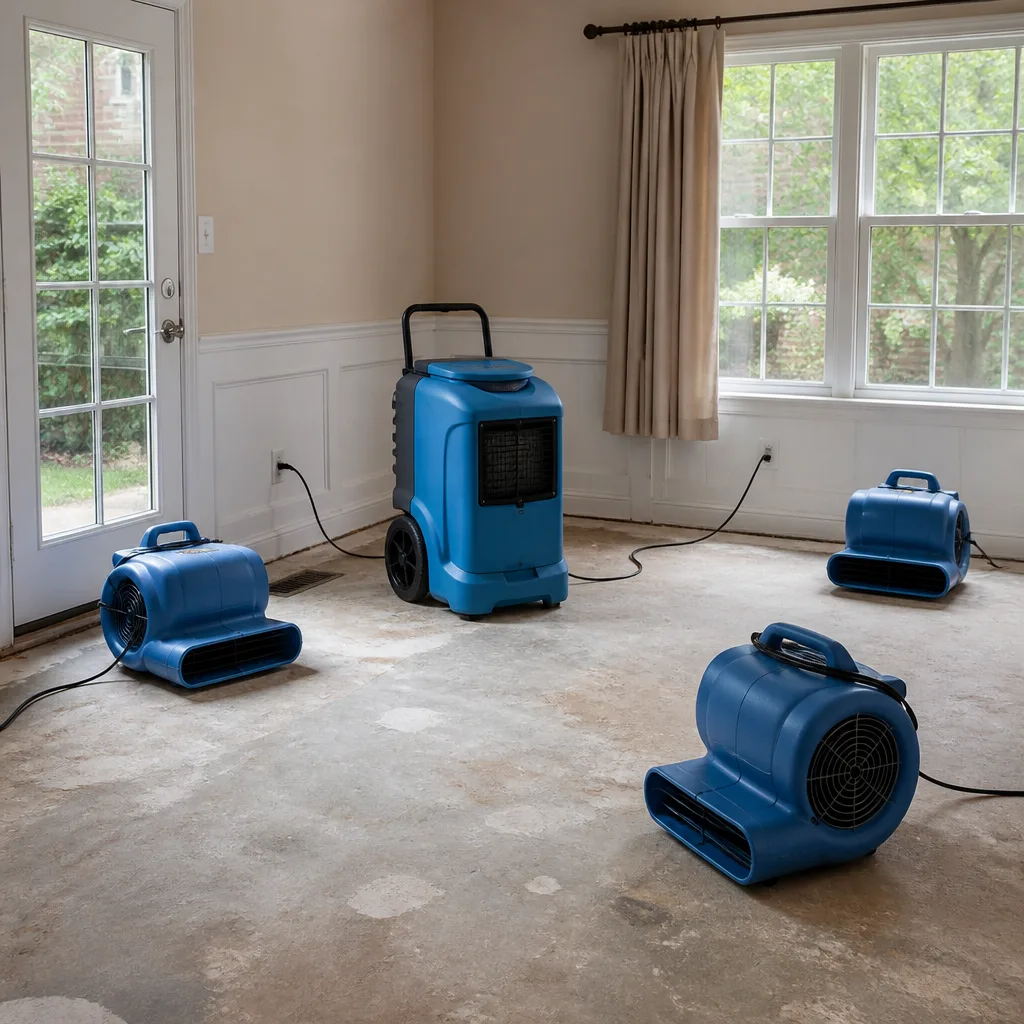
- Surface water extraction from hard flooring using a wet-dry vacuum or mop. This removes bulk water that would otherwise wick into baseboards and wall cavities. Stop when water is no longer visible; do not attempt to extract from carpet pad or subfloor without extraction equipment.
- Content manipulation moving furniture, rugs, and porous items to dry areas. Place aluminum foil or wood blocks under furniture legs to prevent stain transfer. Photograph item locations for the claim inventory.
- Controlled ventilation opening windows only when outdoor absolute humidity is lower than indoor. In West Palm Beach from May through October, outdoor humidity typically exceeds indoor, making window ventilation counterproductive. Use this tactic only in dry winter months.
Tasks that compromise claim value or safety when performed by homeowners:
- Removing carpet or pad without documenting moisture conditions beneath, this destroys evidence of subfloor saturation
- Drilling holes in drywall for drainage without moisture meter verification of cavity wetness, creates repair liability if cavities were actually dry
- Applying antimicrobial agents without documenting pre-treatment conditions, adjusters treat this as concealment of pre-existing mold
- Operating electrical equipment in standing water or saturated environments
- Disturbing materials that may contain asbestos in homes built before 1985, common in Northwood, Flamingo Park, and El Cid historic districts
The boundary is clear: if the task requires a tool you don’t own, or produces a condition you can’t measure, it belongs to a professional who can document it.
The Documentation Gap That Kills Claims
This is the core problem that defines our work at DryMark Restoration West Palm Beach home. A professionally dried room and a homeowner-dried room look identical to an adjuster. Same paint, same flooring, same furniture arrangement. The difference lives in documentation that no homeowner generates, and that absence is what transforms a covered water loss into a denied mold claim.
Consider what an adjuster needs to approve mold remediation that follows water damage:
- Proof that the initial water damage was sudden and accidental, not long-term maintenance neglect
- Proof that drying was attempted within the microbial growth window, typically 24 to 48 hours
- Proof that drying achieved acceptable moisture content levels, defined by IICRC S500 as below 12% for wood structural materials and below 4% moisture content by weight for drywall
- Proof that any subsequent mold growth resulted from hidden damage, not visible damage that was inadequately addressed
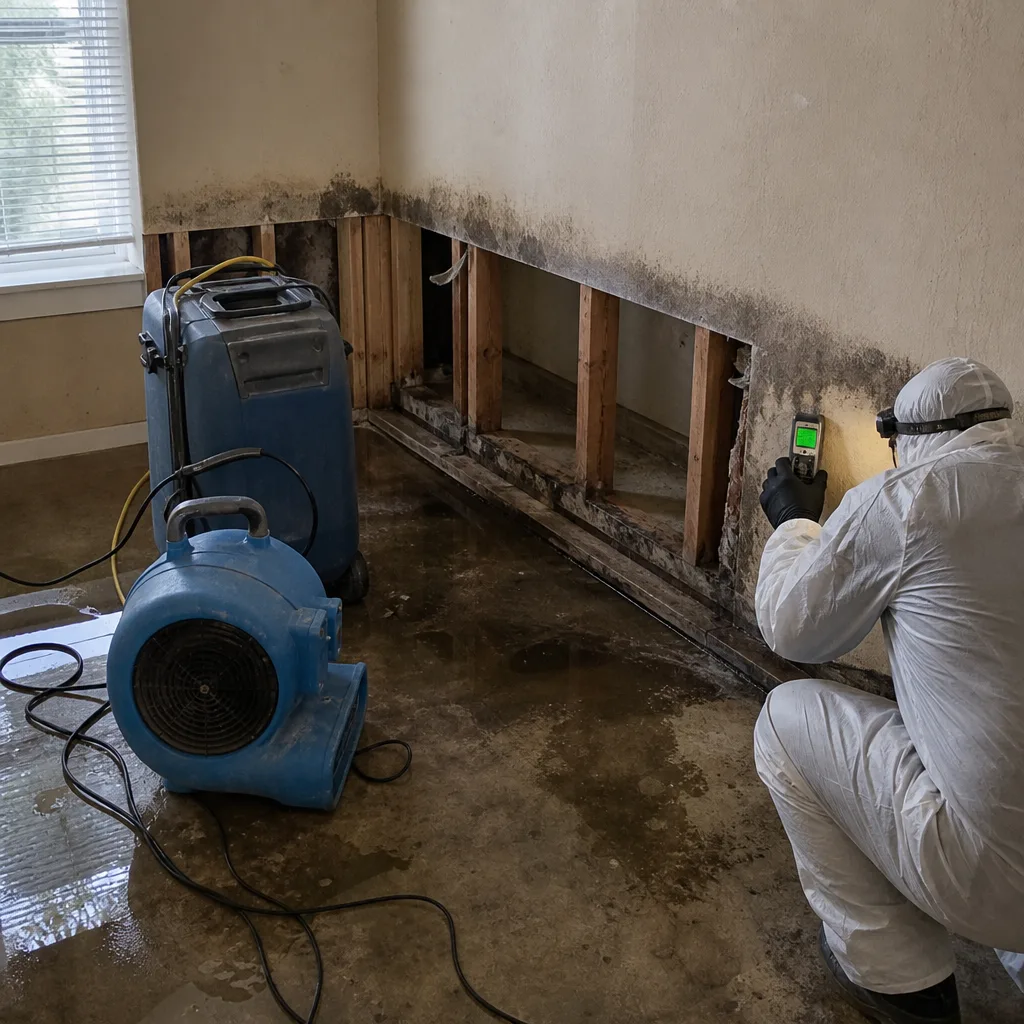
Homeowner DIY generates none of this documentation. There is no drying log. There are no psychrometric readings, the measurement of temperature, relative humidity, and vapor pressure that determines whether air movement is actually removing moisture or just circulating it. There is no moisture content record showing progressive reduction to acceptable levels. There is only a narrative: “I dried it out,” which an adjuster can reject with a single sentence.
We’ve seen this in West Palm Beach’s older neighborhoods, where homes in Grandview Heights and Southland Park have plaster walls over block construction that conceals moisture for weeks. The homeowner sees dry surface plaster. The moisture meter sees 18% content in the furring strips behind it. The mold sees a food source. Six weeks later, the odor appears, the claim is filed, and the insurer’s engineer finds no documentation of proper drying. Denied.
The documentation gap isn’t a technicality. It’s the difference between a paid claim and a $15,000 out-of-pocket mold remediation. Haven Standard, Clause 1 exists precisely because we watched homeowners lose claims they should have won, solely because no one produced the paper trail that proves proper drying occurred.
Florida’s Mold Law: Where DIY Becomes Illegal
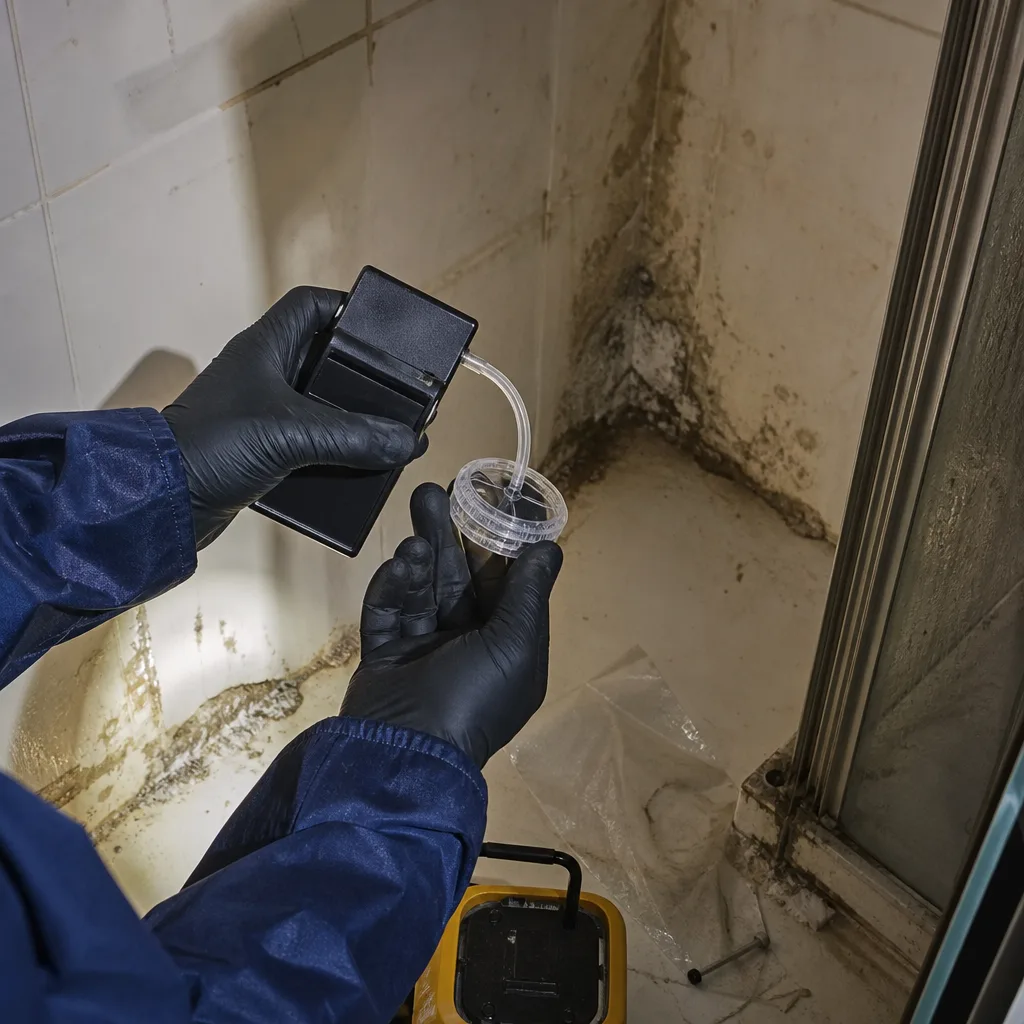
Florida Statute 468.84 creates a hard legal boundary that most homeowners don’t know exists. The statute requires a Florida-licensed mold assessor to evaluate any mold contamination affecting more than 10 contiguous square feet. A licensed mold remediator must then perform the work according to the assessor’s protocol. Performing mold remediation above this threshold without licensure is a misdemeanor, and more critically for homeowners, it voids insurance coverage for the remediation and any subsequent health claims.
The 10-square-foot threshold is smaller than most homeowners assume. A water stain that spreads behind a baseboard, a closet with visible growth on the back wall, a bathroom vanity with contamination in the cabinet cavity, these commonly exceed 10 square feet when the full affected area is measured.
Here’s how the law operates in practice:
- Assessment requirement: A licensed mold assessor, not the remediator, must evaluate the contamination and write a protocol. This separation prevents conflicts of interest where a remediator invents work.
- Containment requirement: Remediation above 10 square feet requires engineered containment with negative air pressure to prevent cross-contamination. This requires HEPA filtration equipment, manometers to verify pressure differentials, and post-remediation clearance testing.
- Documentation requirement: The assessor’s protocol, the remediator’s work plan, and the clearance testing results become part of the permanent record. Without this chain, no insurer will reimburse.
- Prohibition on same-person assessment and remediation: The same individual cannot assess and remediate, preventing the DIY scenario where a homeowner evaluates their own work.
We’ve responded to calls in West Palm Beach’s condominium towers along Flagler Drive where homeowners attempted bleach-based cleanup of visible mold, then filed claims for recurrent growth. The insurer’s position is unambiguous: unlicensed remediation above 10 square feet is excluded as a matter of law, and the homeowner’s attempt to remediate without documentation constitutes an act that aggravated the condition.
The legal liability extends beyond insurance. Florida’s mold licensing law creates a private right of action for subsequent owners who discover undisclosed mold. A DIY remediation attempt without proper documentation becomes a latent defect in the property’s title history, discoverable in litigation years later.
For contamination below 10 square feet on hard, non-porous surfaces, homeowners may clean with detergent and water. But the measurement matters. If you’re wrong about the square footage, or if the visible growth conceals larger hidden contamination, you’ve committed an unlicensed act that compromises your claim. We provide Mold Remediation in West Palm Beach with licensed assessment, documented containment, and clearance testing that satisfies both the statute and your insurer.
The Equipment Rental Break-Even Point
Homeowners often justify DIY restoration by comparing contractor pricing to equipment rental costs. The calculation is intuitive but incomplete, because it omits the documentation value that determines whether your insurer pays, and because it misunderstands what proper drying actually requires.
Here’s the actual equipment list for a small water damage, defined as under 150 square feet of affected area with clean water and no structural involvement:
| Equipment | Rental Cost (3-Day Minimum) | Professional Equivalent |
|---|---|---|
| Commercial air mover (Dri-Eaz or Phoenix) | $35-$45/day × 3 units | Included in service |
| LGR dehumidifier (Dri-Eaz Revolution or Phoenix 200 HT) | $85-$120/day | Included in service |
| Injectidry hardwood floor drying mat system | $150-$200 (setup fee + daily) | Included in service |
| Non-penetrating moisture meter | $45-$65/day | Included in service |
| Penetrating moisture meter with insulated probes | $55-$75/day | Included in service |
| Thermal imaging camera | $125-$175/day | Included in service |
| Psychrometric data logger | $30-$50/day | Included in service |
| 3-Day DIY Total | $680-$1,095 | Comparable or lower with documentation |
This assumes three days. Most residential water damage in West Palm Beach requires three to five days of active drying, with daily monitoring. For a task-by-task breakdown of ongoing maintenance, see our Water Damage Restoration Maintenance Checklist for West Palm Beach Homeowners. Each additional day adds $200-$350 in rental costs. It also assumes the homeowner knows how to position air movers for optimal vapor pressure differential, how to calculate dehumidifier pint capacity against the cubic footage and class of water loss, and how to read thermal patterns that indicate concealed moisture.
The break-even point shifts dramatically when you factor documentation value. A professional service that costs $1,200 but produces a drying log, moisture readings, and photo documentation that secures a $8,000 insurance payment has a net cost of zero or negative. A DIY rental that costs $900 and produces no documentation, leading to a denied $8,000 mold claim, has a true cost of $8,900.
In our experience across West Palm Beach, from the historic homes of El Cid to the newer construction in Ibis, the financial crossover where professional service becomes cheaper than DIY occurs at approximately 100 square feet of affected area for clean water losses, and at essentially any size for gray or black water losses where contamination requires specialized extraction and disposal.
How Adjusters Use IICRC S500 to Deny Claims
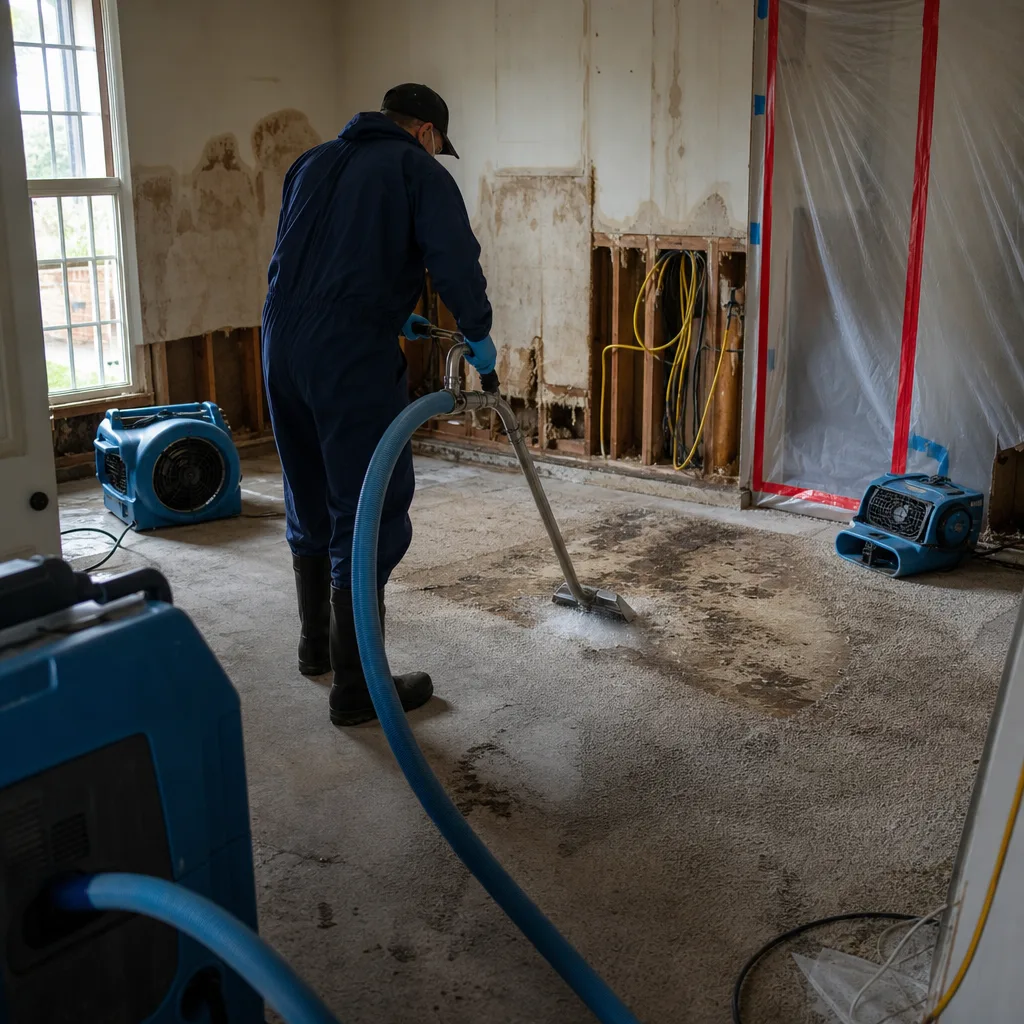
IICRC S500, the Standard and Reference Guide for Professional Water Damage Restoration, defines “improper drying” in specific measurable terms. Adjusters and their engineers use these definitions to reclassify subsequent damage as excluded homeowner negligence. Understanding the standard helps homeowners understand why DIY attempts fail at the claims stage.
Key S500 definitions that control claim outcomes:
- Category 1 water (clean source) degrades to Category 2 after 48 hours of contact with building materials, and to Category 3 after additional time or microbial activity. A homeowner who delays professional response converts a covered clean water loss into a contaminated loss with reduced or excluded coverage.
- Structural drying requires achieving “dry standard,” defined as moisture content equivalent to unaffected materials in the same building, or below specified thresholds for material classes. Without moisture meter documentation, dry standard is unprovable.
- Tertiary drying, the final phase where bound moisture is removed from dense materials, requires controlled dehumidification with specific vapor pressure differentials. Box fans and residential dehumidifiers cannot achieve this.
- Restorative drying versus disruptive drying: S500 specifies when materials must be removed rather than dried in place. Homeowners who attempt to dry saturated drywall or insulation in place violate this standard, and insurers treat the resulting mold as foreseeable damage from improper method selection.
The mechanism of denial works like this. A homeowner files a mold claim six months after a water loss. The insurer requests the prior claim file. The file shows water damage, DIY mitigation with no contractor, no drying log, no moisture readings. The insurer’s engineer inspects, finds evidence of prolonged moisture, and writes an opinion that S500 drying standards were not met. The mold is reclassified as resulting from “improper or incomplete drying,” which the policy excludes as maintenance-related or negligence-caused damage.
We’ve reviewed these engineering reports. They cite S500 chapter and verse. They note the absence of psychrometric data. They calculate the vapor pressure differential that existed in the home during the DIY drying period and demonstrate it was insufficient for the material class affected. The homeowner’s narrative, “I thought it was dry,” carries no weight against this documentation.
This is why our Water Damage Restoration in West Palm Beach includes daily moisture logs to IICRC, RIA, and IFA standards. The documentation doesn’t just prove we did the work. It proves the work was done to a standard that insurers recognize as sufficient to prevent subsequent damage.
What Documentation Your DIY Attempt Must Generate
If you choose DIY restoration, you are effectively choosing to act as your own contractor for insurance purposes. This creates a documentation burden that most homeowners cannot meet. Here is what a defensible DIY file must contain:
- Pre-mitigation photo record with date stamps, showing all affected areas, water source, and visible water line elevations. Include metadata or a contemporaneous log verifying time and date.
- Moisture content readings at time of discovery, using a calibrated penetrating moisture meter with insulated probes, taken at regular intervals on all affected materials. Record location, material type, reading, and meter calibration date.
- Psychrometric data recorded at least twice daily: temperature, relative humidity, and dew point in the affected area and in an unaffected control area. This proves the drying environment was controlled, not just that air was moving.
- Equipment log showing what drying equipment was deployed, when it was placed, when it was moved or adjusted, and the rationale for each decision based on moisture readings.
- Progressive moisture readings showing reduction to dry standard, with the final readings taken after equipment removal to confirm stability.
- Post-mitigation photo record showing dry conditions, any removed materials, and the final state of affected areas.
- Written scope of work performed with dates, materials used, and any antimicrobial applications with EPA registration numbers.
Generating this documentation requires the same equipment a professional brings: calibrated moisture meters, psychrometric data loggers, thermal imaging for verification, and the training to interpret readings correctly. The homeowner who rents this equipment and produces this documentation has spent nearly as much as hiring a professional, with none of the liability protection that professional licensing and insurance provide.
More critically, the homeowner’s documentation is subject to challenge in ways that professional documentation is not. An insurer can question whether the homeowner’s moisture meter was calibrated, whether readings were taken at representative locations, whether psychrometric conditions were properly interpreted. Professional documentation from a licensed contractor carries presumptive weight that DIY documentation lacks.
Our documented photo record on every visit, included as a standard deliverable, exists because we watched homeowners lose claims on technical grounds that proper documentation would have prevented. Haven Standard, Clause 1, the written price before work begins, is paired with this documentation commitment so that homeowners know exactly what they’re paying for and exactly what they’ll have in their claim file.
West Palm Beach Climate and Building Factors
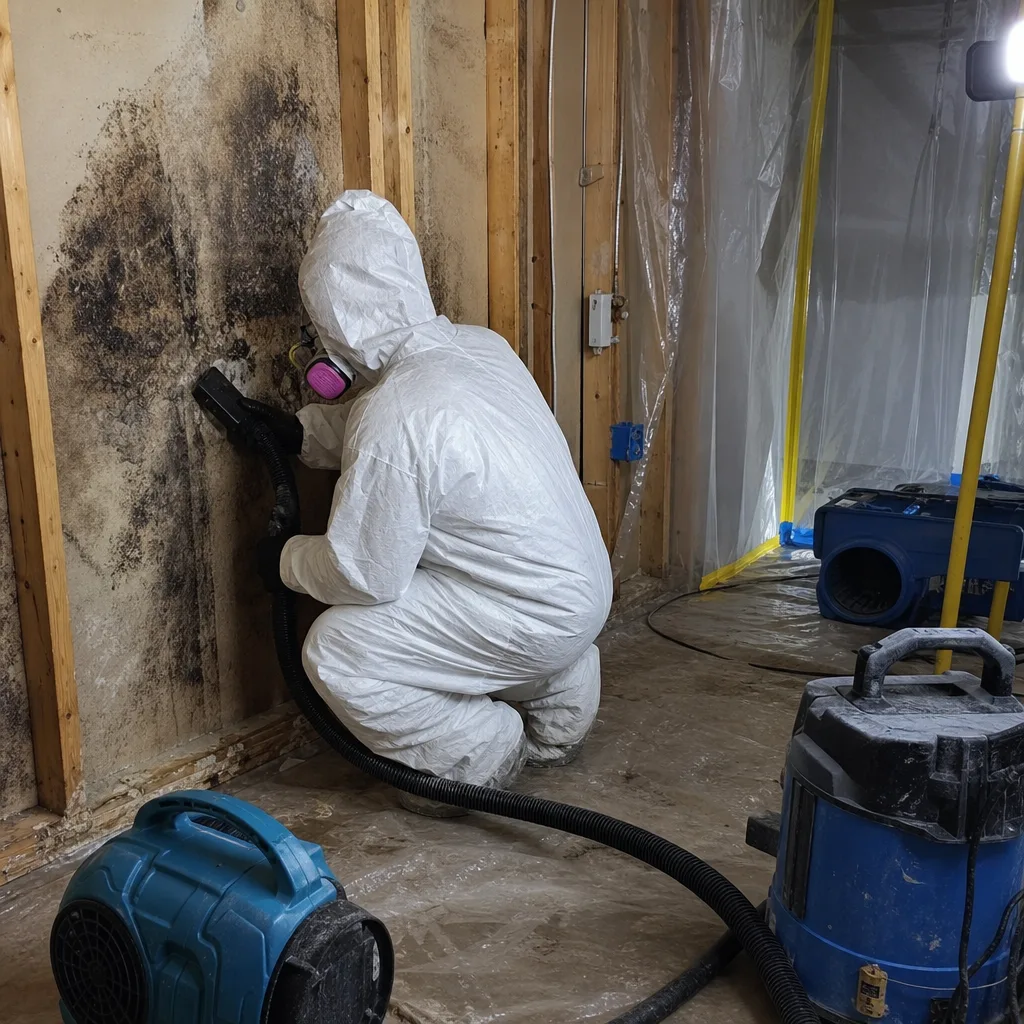
West Palm Beach’s specific conditions make DIY restoration riskier here than in drier climates. Understanding these local factors helps homeowners make informed decisions about when professional intervention is essential.
Climate factors:
- Year-round high humidity: West Palm Beach averages 74% relative humidity annually, with summer months exceeding 80%. This means evaporated moisture from wet materials re-condenses rather than being removed, unless dehumidification capacity is calculated for these conditions.
- High groundwater table: In neighborhoods near the Intracoastal Waterway, including parts of Flamingo Park and Southland Park, slab-on-grade construction is vulnerable to vapor drive from saturated soil. DIY drying that addresses surface water but not sub-slab moisture fails.
- Hurricane season moisture loading: From June through November, building materials in West Palm Beach are often pre-conditioned with elevated moisture content from repeated rain events. This reduces the margin for error in drying, as materials start closer to the mold growth threshold.
- Salt air corrosion: In coastal properties, moisture combined with salt air accelerates corrosion in electrical systems and metal framing. DIY restoration that doesn’t address these secondary effects leaves latent damage that manifests as electrical failure or structural deterioration.
Building stock factors:
- Historic construction: Homes in El Cid, Northwood, and Grandview Heights often have plaster walls, terrazzo floors, and limited vapor barriers. These materials require specialized drying approaches that differ from modern drywall and carpet construction.
- Mid-century concrete block: Many West Palm Beach homes built 1950-1980 have block walls with furring strips and plaster or drywall. Water wicks through block and remains in cavities, invisible to surface inspection without thermal imaging.
- Condominium construction: High-rise buildings along Flagler Drive and Okeechobee Boulevard have complex HVAC systems, fire suppression infrastructure, and association-mandated mitigation protocols that DIY attempts cannot satisfy.
We’ve restored homes in all these building types since 2011. The common factor in successful claims is documentation that accounts for local conditions, not generic drying protocols that might suffice in Arizona or Colorado.
Common Mistakes to Avoid
- Using bleach on mold. Bleach doesn’t penetrate porous materials and can add moisture that feeds deeper growth. In West Palm Beach’s humidity, this is particularly counterproductive. Professional remediation uses EPA-registered antimicrobials applied with controlled dwell times.
- Drying carpet in place over wet pad. Carpet pad acts as a reservoir that holds moisture against the subfloor. In Florida’s climate, this virtually guarantees mold in 72 hours. Proper extraction requires pad removal or specialized in-place drying with weighted extraction wands.
- Opening windows during humid months. From May through October, outdoor air in West Palm Beach contains more moisture than indoor air. Opening windows introduces humidity rather than removing it. Professional drying uses sealed systems with calculated air exchange rates.
- Ignoring the water source category. A dishwasher drain backup is Category 2 gray water requiring antimicrobial treatment. A toilet overflow is Category 3 black water requiring full protective equipment and specialized disposal. Misidentifying these categories creates health liability and claim denial.
- Photographing only visible damage. Insurers require documentation of the full affected area, including contents, to scope replacement value. Homeowners who photograph the obvious water line but miss the closet, the HVAC return, or the electrical outlet at floor level leave money on the table.
- Waiting for the insurance adjuster before mitigating. Florida’s post-loss duty requires prompt action. Waiting 48 hours for an adjuster visit while water spreads can constitute a breach of that duty. Document and begin mitigation, then let the adjuster review your documentation.
When to Call a Professional
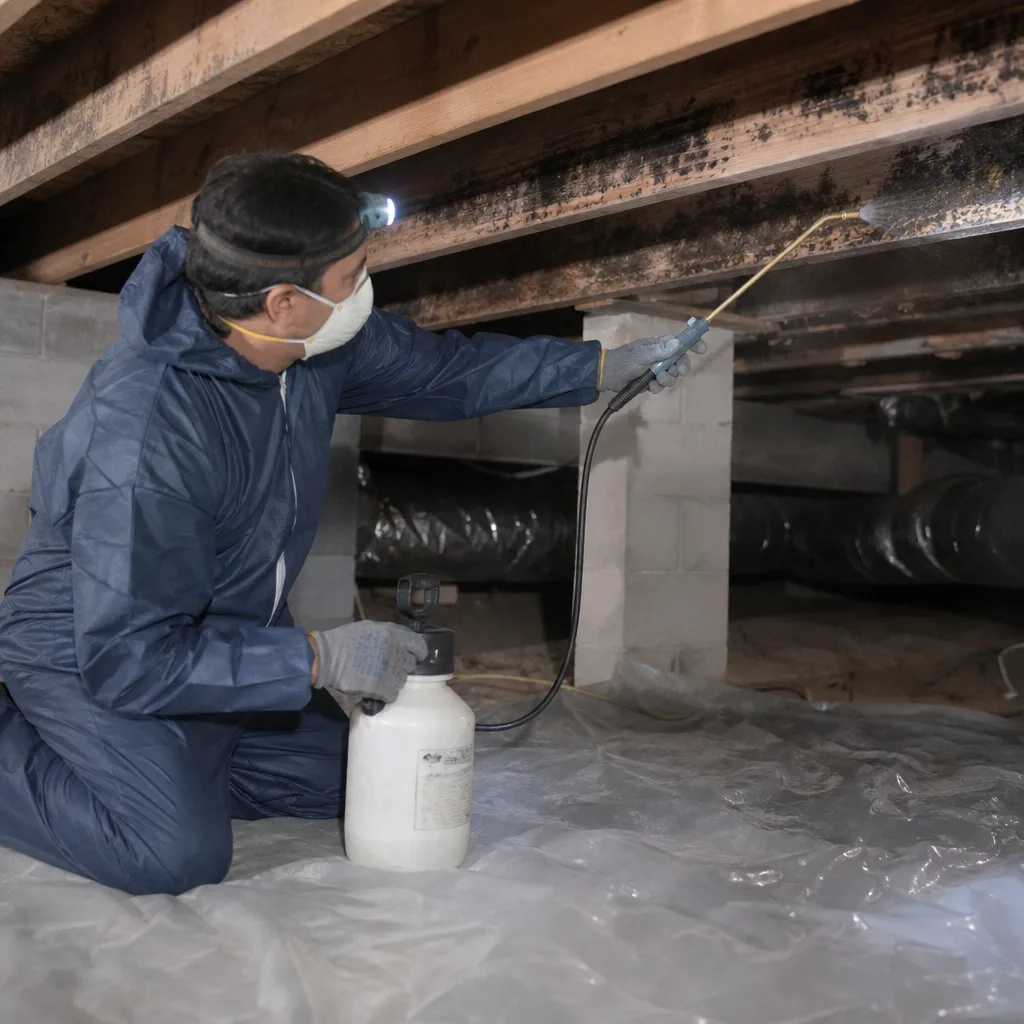
Call a professional restoration contractor when the affected area exceeds 25 square feet, when water has been present for more than 12 hours, when the source is anything other than clean tap water, when mold is visible or suspected, when water has contacted electrical systems or HVAC equipment, or when the loss occurs in a condominium or property with association notification requirements. These thresholds reflect both the technical requirements of proper drying and the documentation requirements of Florida insurance law.
DryMark Restoration West Palm Beach offers free estimates in West Palm Beach. We provide a written price before any work starts, every time, with no exceptions under Haven Standard, Clause 1. Our assessments include moisture readings, thermal imaging, and a documented scope that you can submit to your insurer before authorizing work. Call (561) 290-5060 for an evaluation.
Frequently Asked Questions
Your insurance may reimburse documented emergency mitigation expenses you incur personally, but it will not cover subsequent damage that results from improper or incomplete drying. Without professional drying logs and moisture readings, your insurer can classify mold or structural damage that appears later as excluded negligence. For any loss where you expect insurance involvement, professional documentation protects your coverage. You can also explore more guides & resources on protecting your claim. Call (561) 290-5060 for a free estimate that includes full documentation.
Our live phone coverage operates 24 hours a day, 7 days a week with no voicemail on emergency lines. Response time depends on your location within West Palm Beach and current call volume, but we prioritize water damage calls because microbial growth begins in 24 to 48 hours in our climate. For active water losses, same-day response is standard. Call (561) 290-5060 to confirm current availability.
For mold contamination under 10 contiguous square feet on hard, non-porous surfaces, you may clean with detergent and water. For any larger area, Florida Statute 468.84 requires licensed assessment and remediation. More importantly, visible mold often conceals larger hidden contamination. We provide free second opinions on any competitor’s written estimate, and our assessments include thermal imaging to locate concealed growth. Call (561) 290-5060 for evaluation.
At DryMark Restoration West Palm Beach, we coordinate directly with your adjuster, providing the documented photo record, drying logs, and written scope that adjusters need to approve payment. Our documentation is formatted to insurance industry standards from the initial assessment through final billing. This direct coordination eliminates the back-and-forth that delays claims when homeowners act as their own intermediary. We also offer a Free Second Opinion on any competitor’s written estimate if your adjuster has questions about scope or pricing.
Clean water damage restoration for a typical residential room, 150-250 square feet, generally ranges from $1,200 to $3,400 depending on material involvement, access conditions, and drying duration. Gray and black water losses cost more due to protective equipment, antimicrobial treatment, and specialized disposal requirements. Every job is quoted in writing before work begins under Haven Standard, Clause 1. Call (561) 290-5060 for an exact quote on your specific loss.
Commercial LGR dehumidifiers and air movers from manufacturers like Dri-Eaz and Phoenix are available through select equipment rental companies in Palm Beach County. However, the equipment is only one component. Proper drying requires psychrometric calculation, moisture mapping, daily monitoring, and documentation that most homeowners cannot produce. The break-even point where equipment rental exceeds professional service cost typically occurs at 100 square feet of affected area. For documentation value alone, professional service is usually the better investment.
The Bottom Line
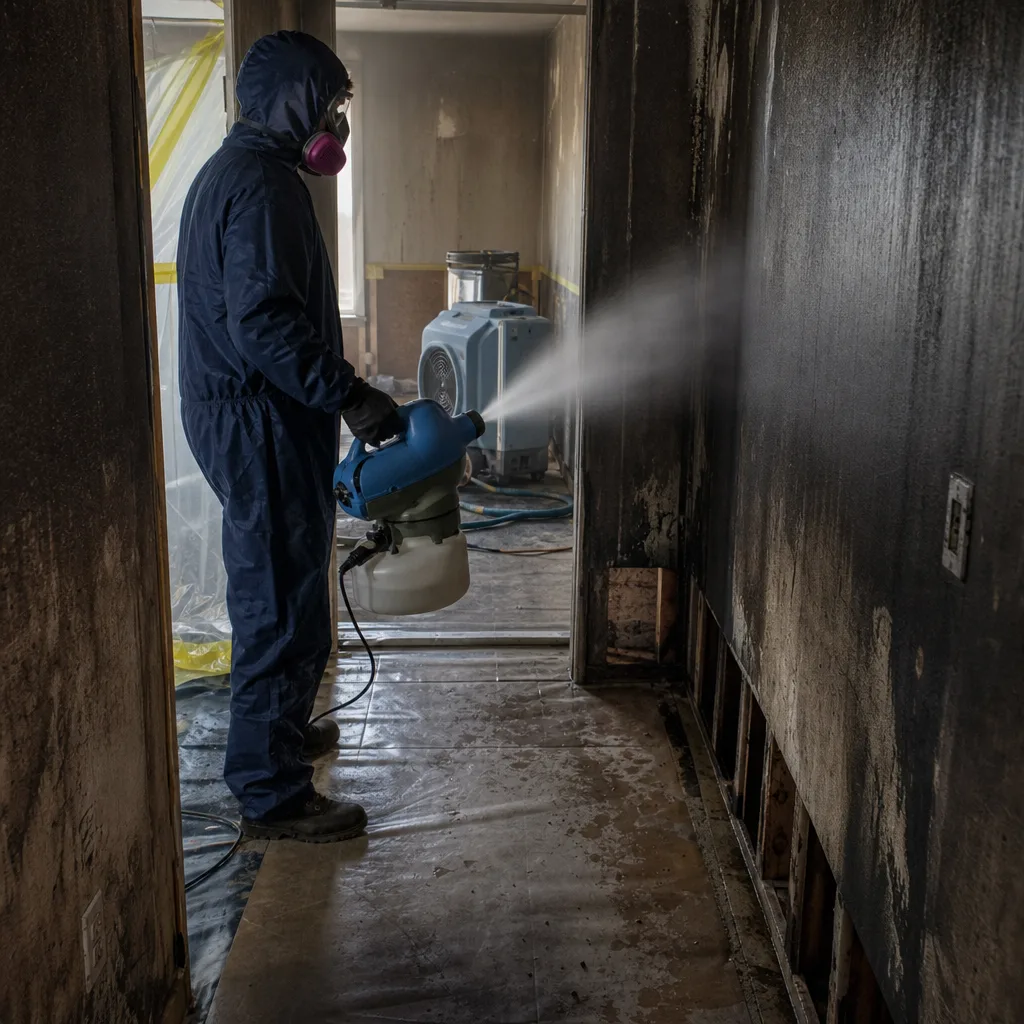
The DIY-versus-professional decision in West Palm Beach is not about your capability with a wet-dry vacuum or your comfort with fans. It’s about whether you can produce the documentation that transforms a restoration invoice into a paid insurance claim. Florida law, IICRC standards, and insurer practices have converged to create a system where undocumented drying is treated as negligent drying. The homeowner who understands this system, who performs safe initial response within the first hours and then transitions to professional documentation before the microbial growth window closes, protects both their property and their coverage. The homeowner who doesn’t, risks a denied claim and a mold remediation bill that exceeds the original water loss by multiples.
We’ve restored over 12,000 homes since 2011. The pattern is consistent: the claims that pay are the claims that are documented. The homes that stay dry are the homes where drying was verified, not assumed. If you’re facing water damage, mold, or any restoration need in West Palm Beach, we’ll provide a written price before work starts, a photo record on every visit, and the documented drying log that your insurer requires. Call (561) 290-5060.
Written by Alicia Brennan, Owner at DryMark Restoration West Palm Beach, serving West Palm Beach since 2011.