
Last updated September 23, 2026
Free visual inspection and a written scope of work before any mitigation begins - photos, moisture readings, and drying logs go in your claim file
The scope we write is the scope we bill. Anything new gets shown to you, in writing, before we touch it.
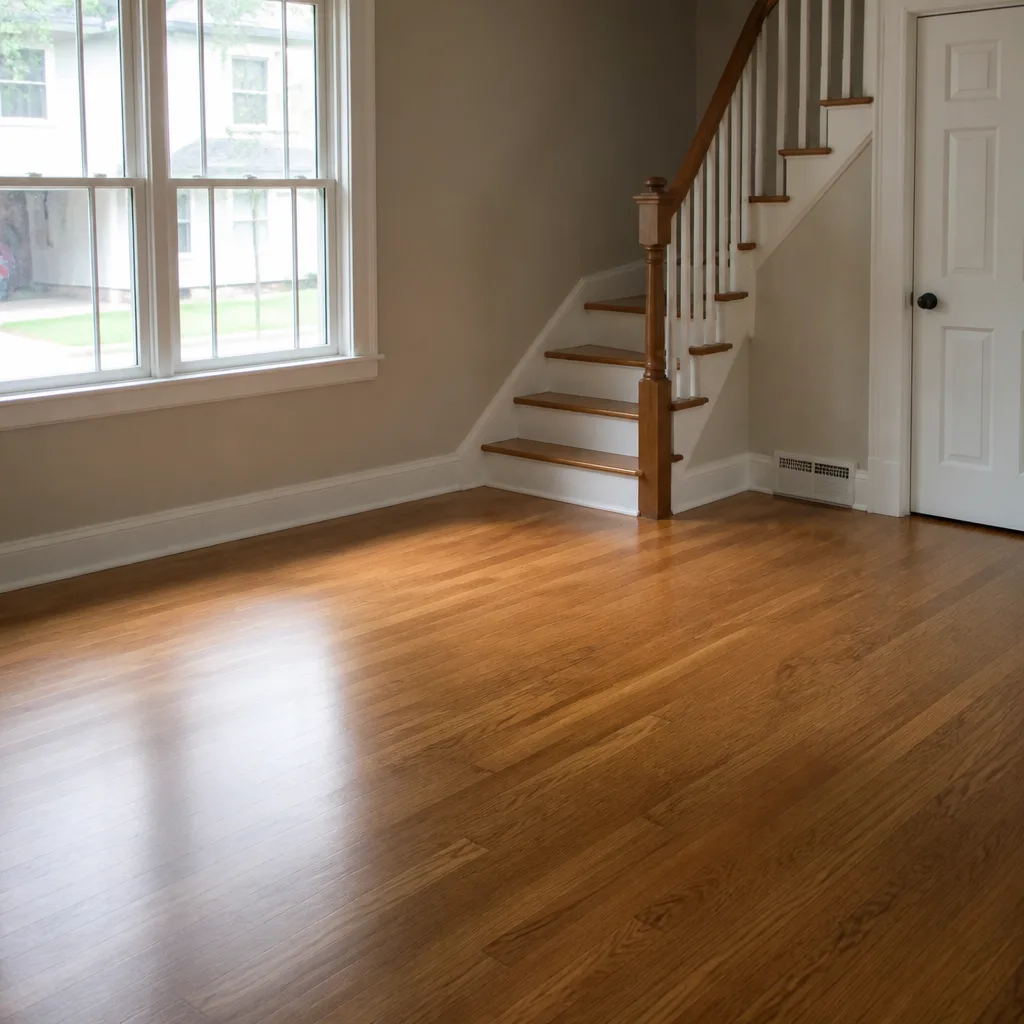
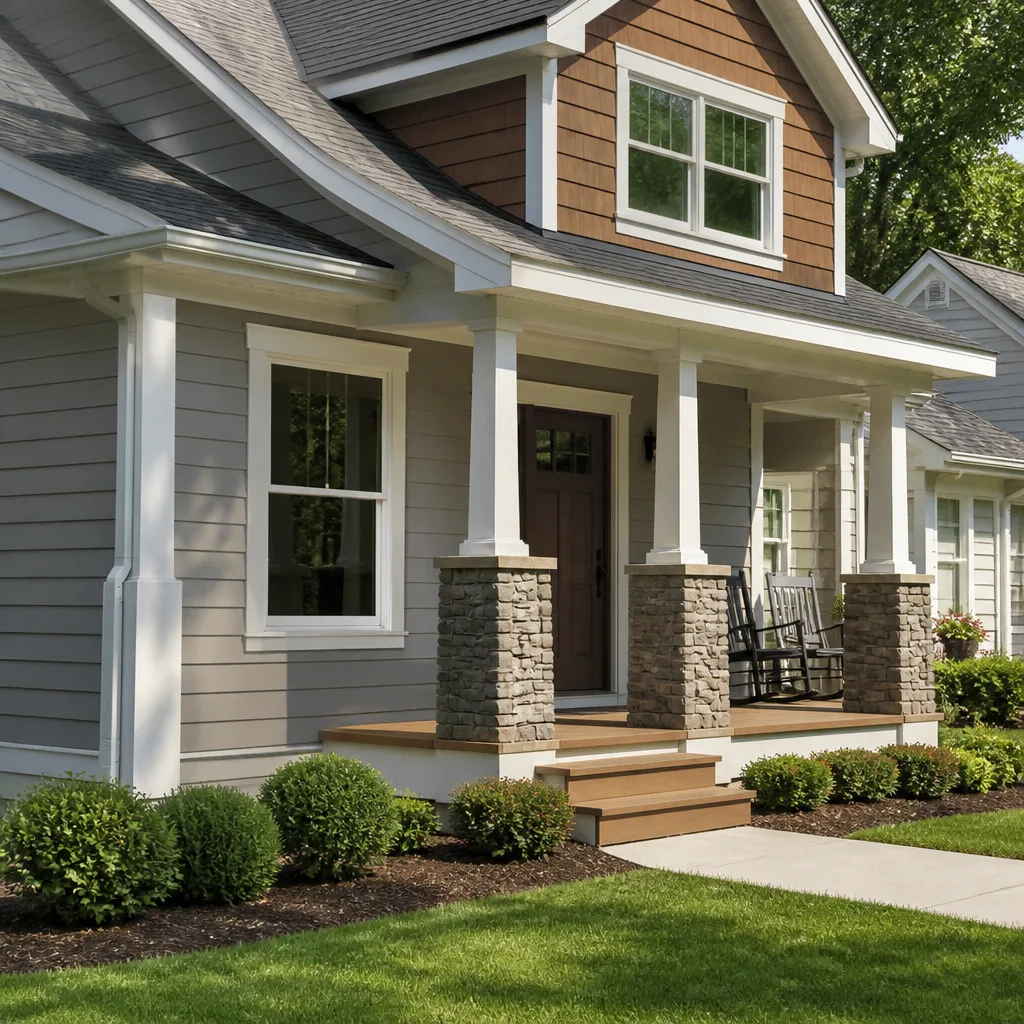
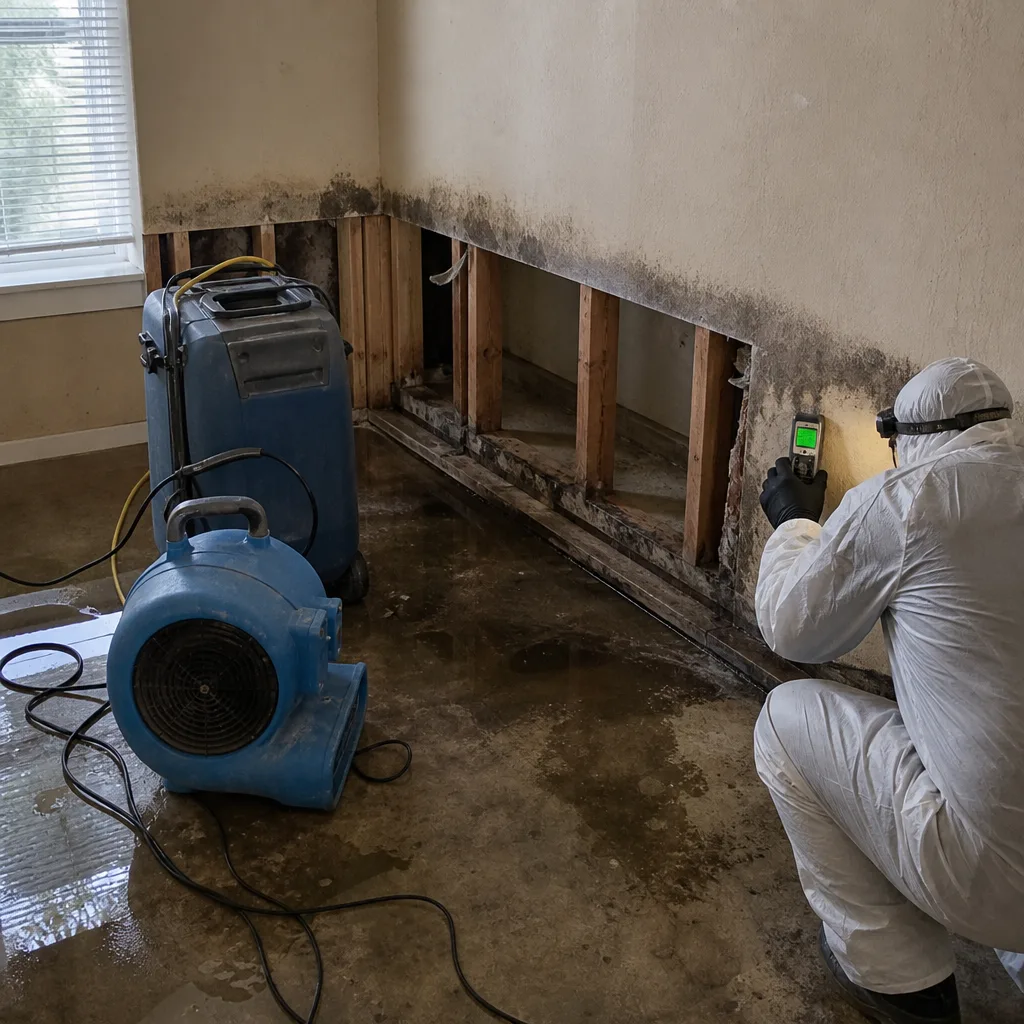 Before
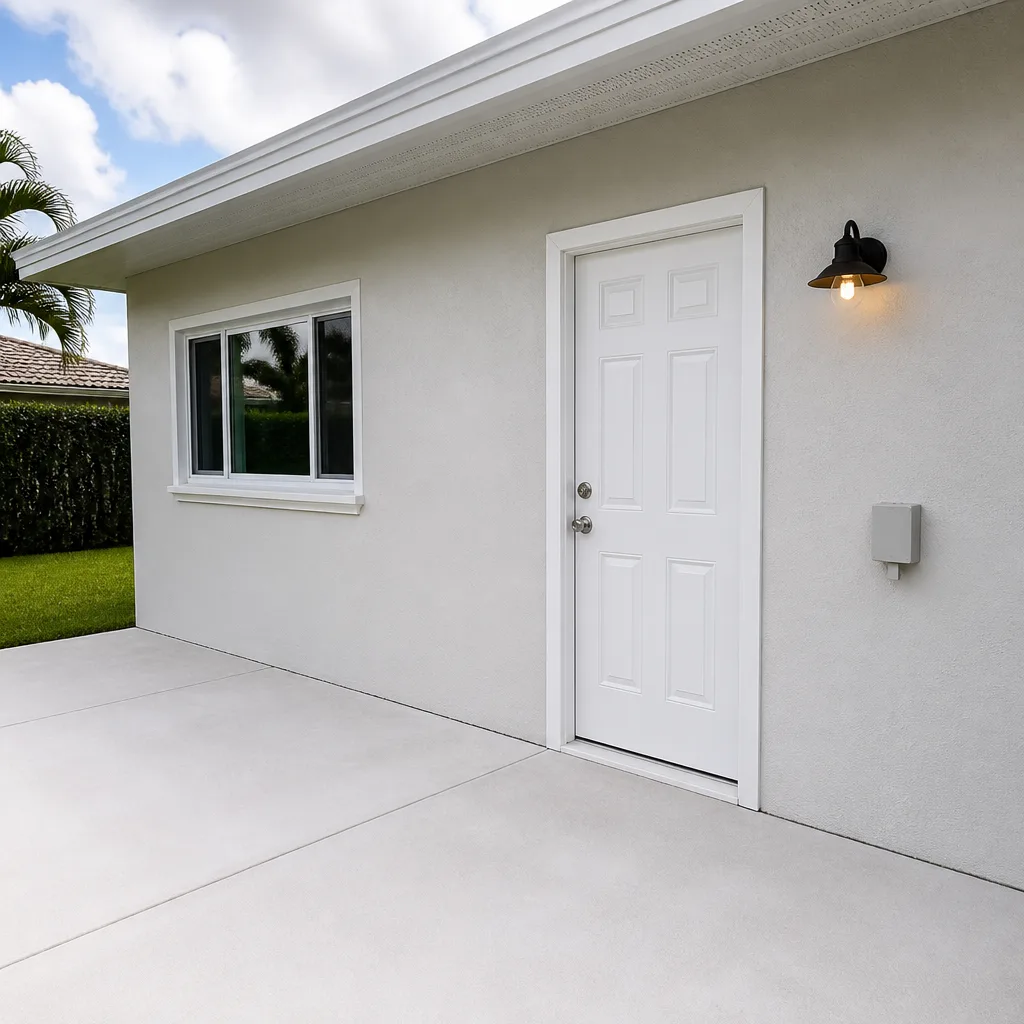 After
After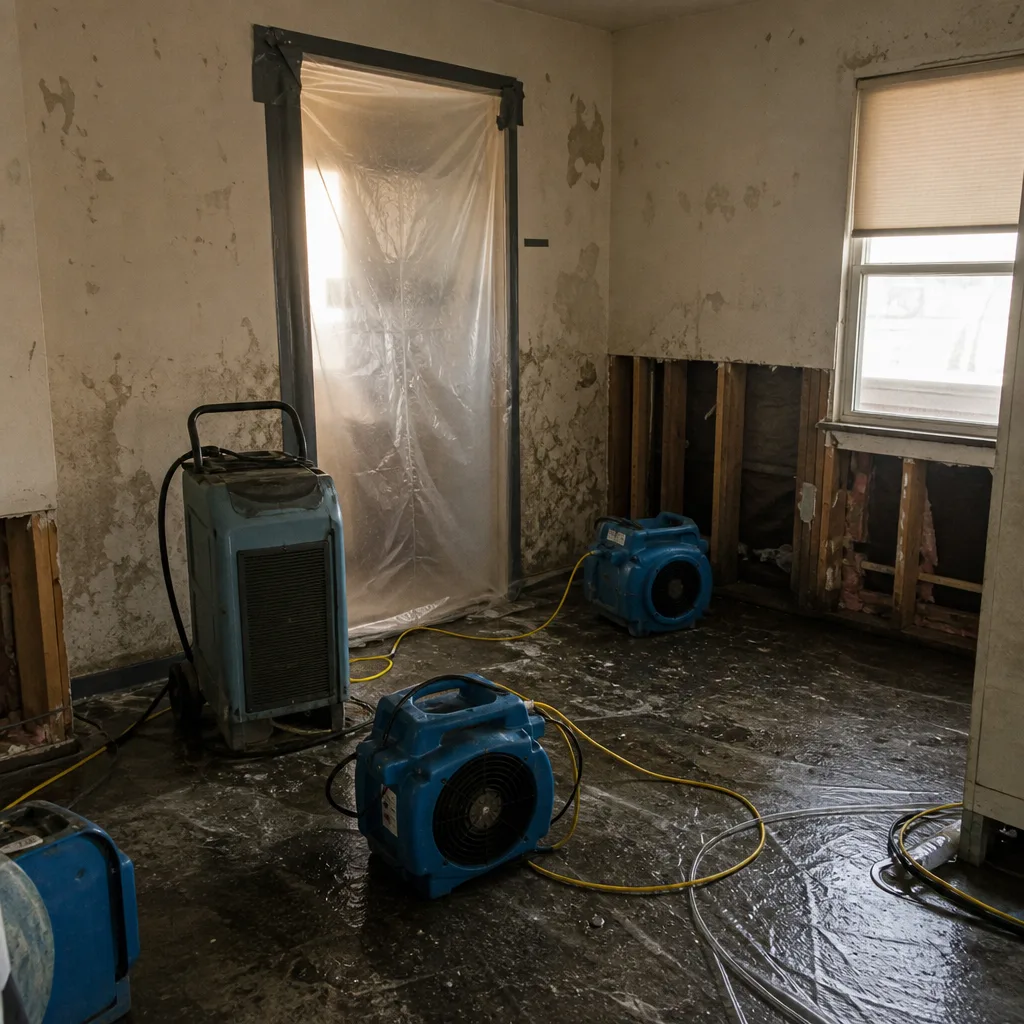 Before
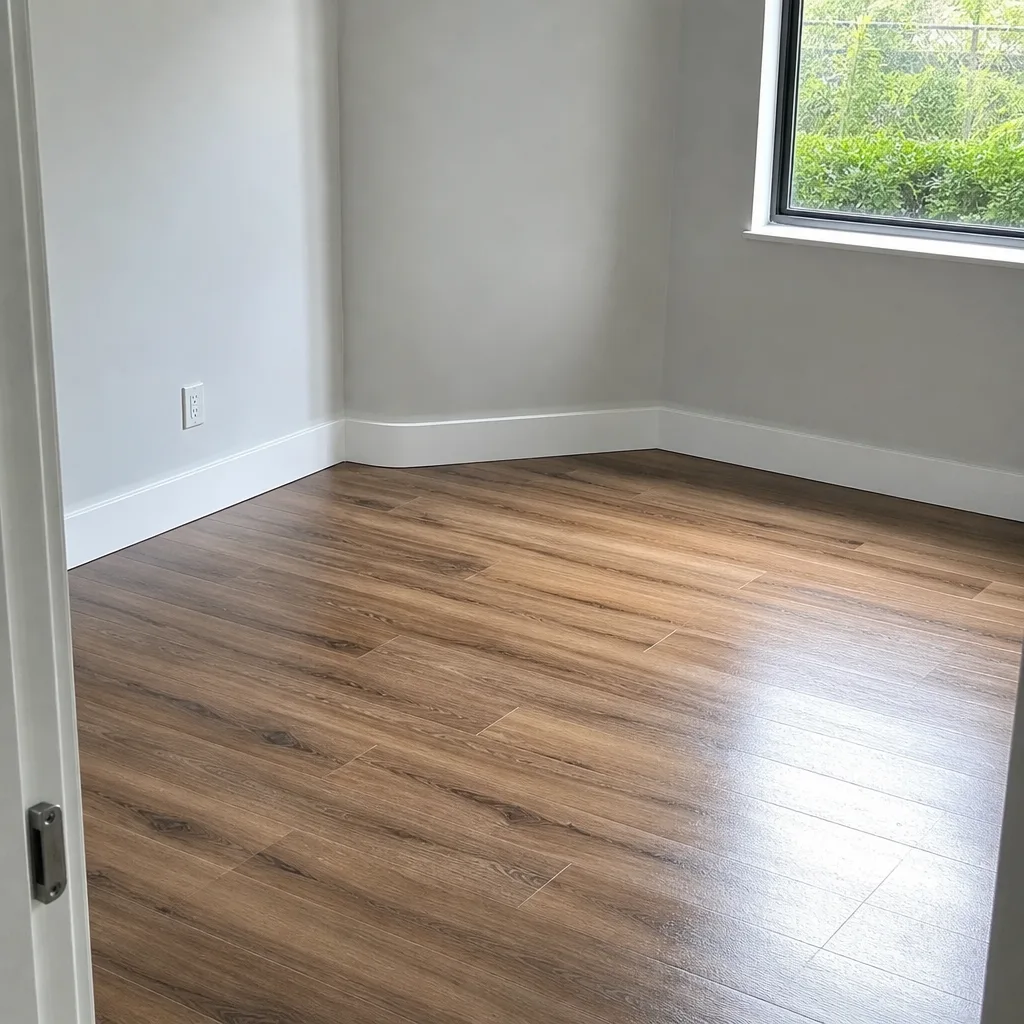 After
After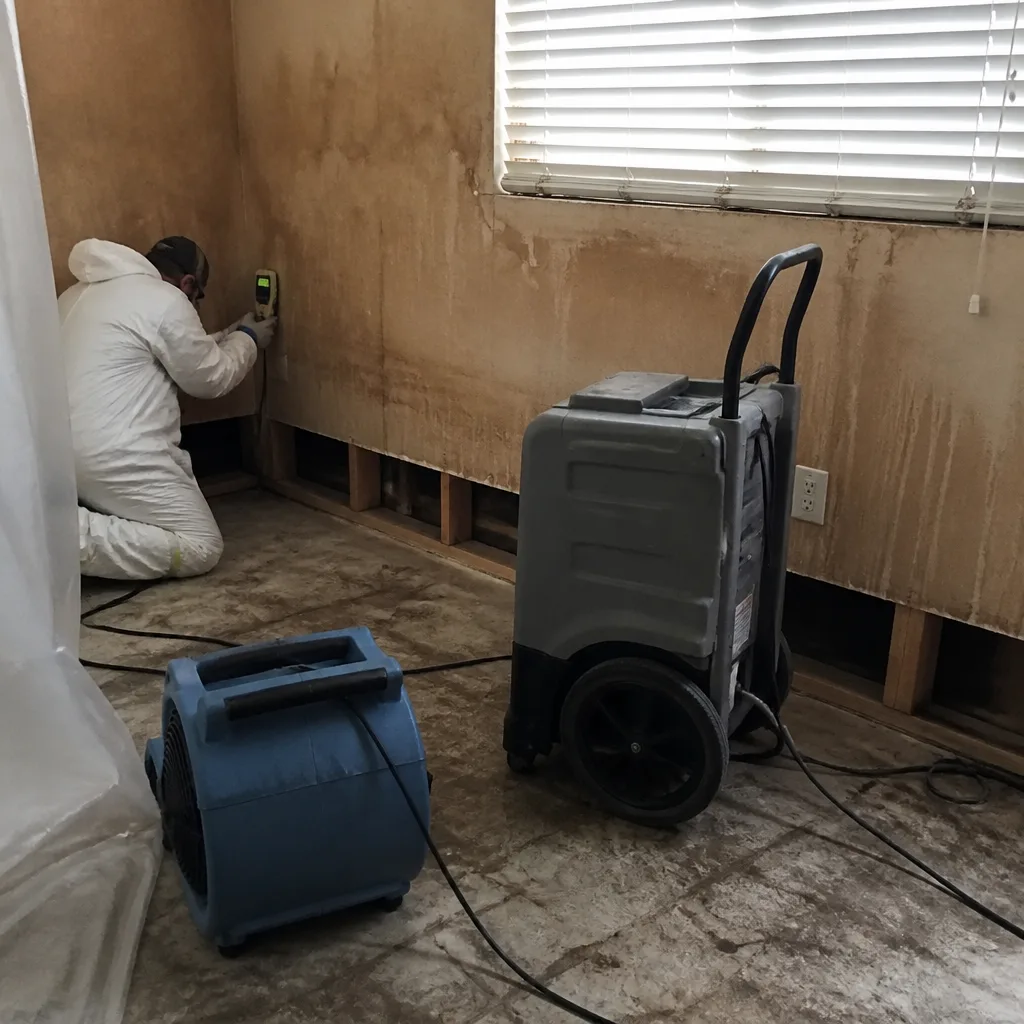 Before
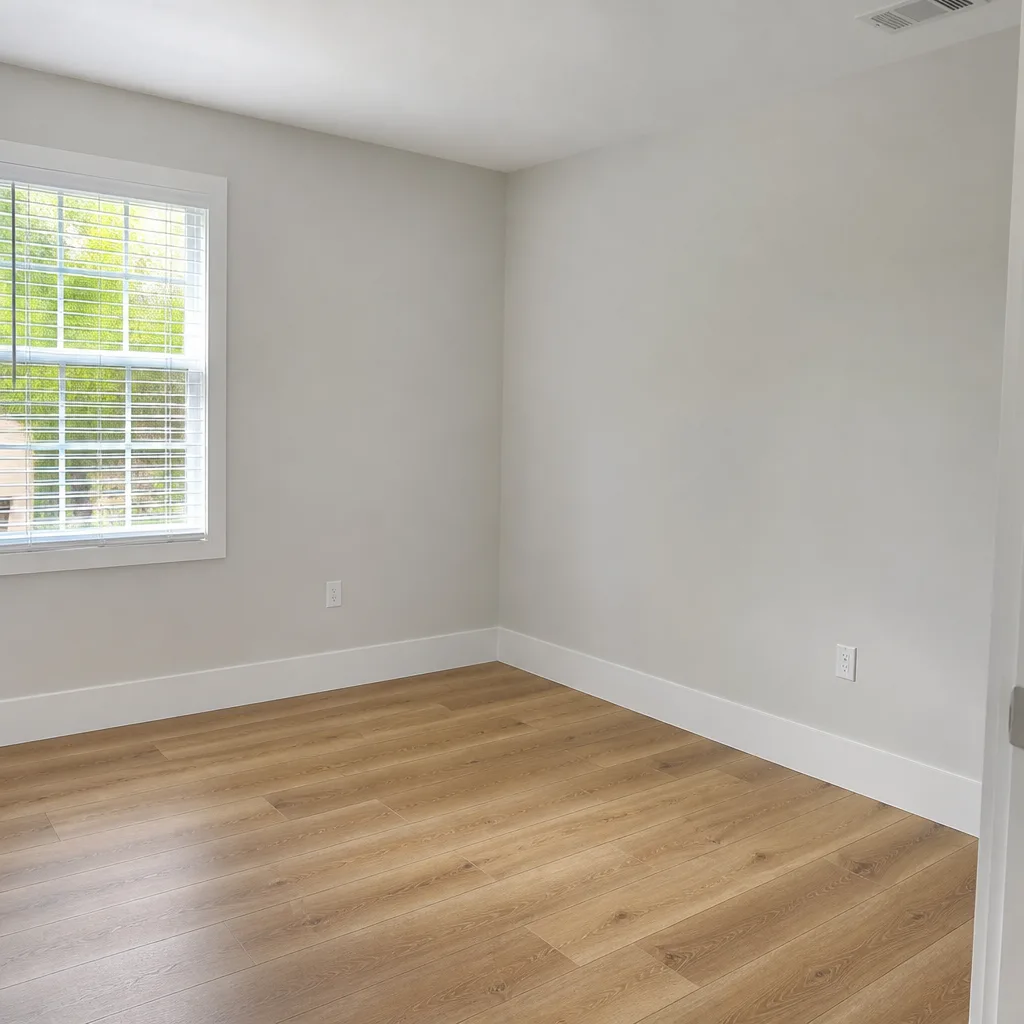 After
AfterDamage Restoration Cost Breakdown: The West Palm Beach Homeowner’s Reference for 2026
Florida’s average water damage claim settlement is $12,000, but the average contractor invoice for the same scope is $14,800. That $2,800 gap is not profit margin - it’s documentation the contractor couldn’t produce. In West Palm Beach, where humidity stays above 70 percent eight months of the year and Category 1 water can escalate to Category 3 in 72 hours, the difference between a paid claim and a denied one often comes down to whether the homeowner understood the line items on their estimate before signing. This guide breaks down the actual unit costs, the documentation required to justify each, and the local factors that legitimately raise or lower your final bill. For Damage Restoration Warning Signs: A West Palm Beach Homeowner’s Reference Guide, see our companion resource.
Quick Answer
Water damage restoration in West Palm Beach typically ranges from $3,200 for a contained kitchen leak with Class 1 drying to $18,500+ for a whole-home Category 3 flood with mold remediation and reconstruction. The final cost depends on water classification, affected square footage, equipment days, and whether the loss triggers Florida’s licensed mold remediator requirements. Every legitimate estimate should itemize labor, materials, equipment, and documentation charges separately - and a written price must precede any work.
Table of Contents
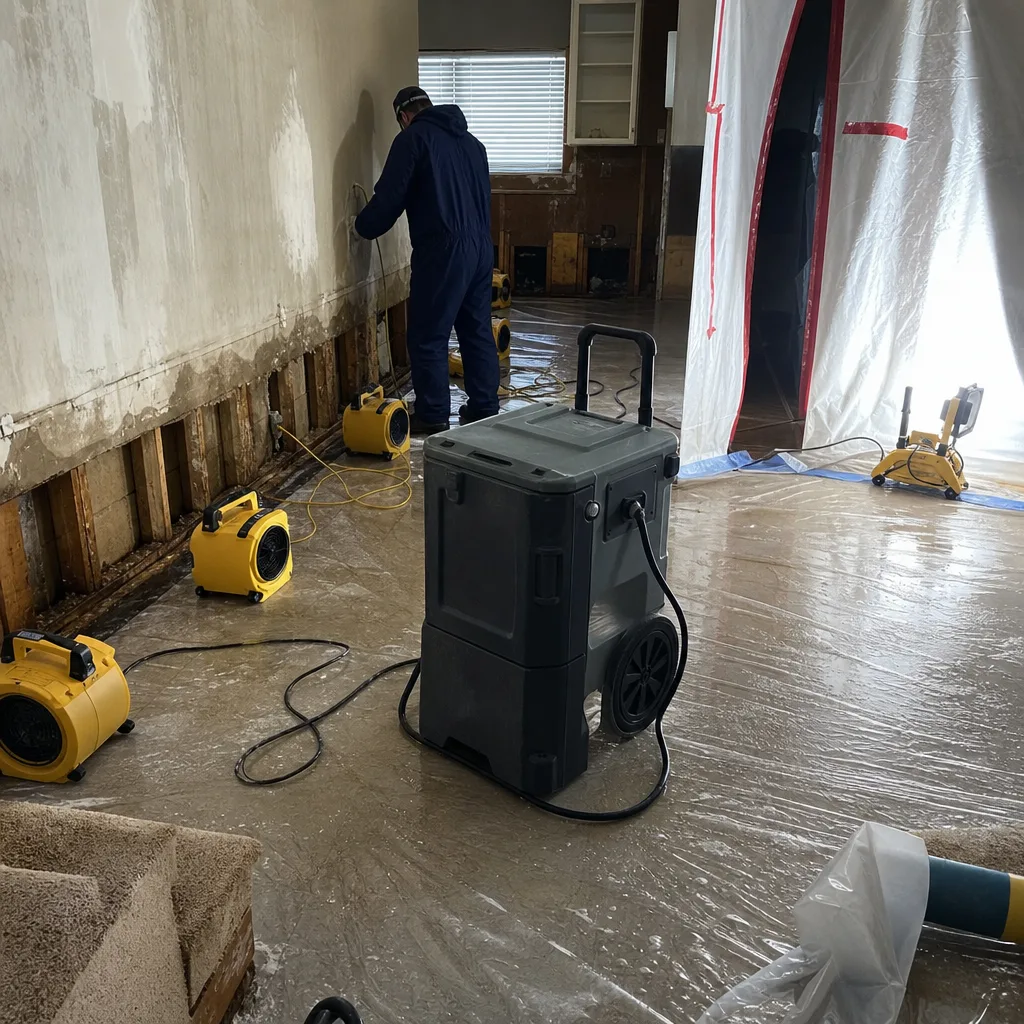
- How Xactimate Line Items Actually Work in South Florida
- Drying Equipment Costs: Per-Day Math vs. Inflation Tricks
- West Palm Beach Cost Multipliers You Can’t Ignore
- Category 2 vs. Category 3: The Dollar Difference
- How to Read a Written Estimate for Missing Line Items
- Mold, Fire, and Storm: When the Math Changes
- Common Mistakes to Avoid
- When to Call a Professional
- Frequently Asked Questions
 Before
 After
AfterHow Xactimate Line Items Actually Work in South Florida
Xactimate is the pricing engine that drives most insurance claims in the United States, and South Florida adjusters use it with localized price lists updated quarterly. A homeowner who can read an Xactimate estimate can spot gaps before the crew arrives, negotiate scope before signing, and prevent the supplemental-claim fight that delays settlements by months.
Here are the line items you’ll see on virtually every water damage estimate in West Palm Beach, with 2026 South Florida price ranges:
| Line Item | Unit | Description | 2026 South Florida Range |
|---|---|---|---|
| WTR DRY | Per SF | Water extraction and initial drying setup | $1.85 - $3.20 |
| WTR REM | Per LF | Baseboard removal (non-salvageable) | $2.40 - $4.10 |
| WTR REM | Per SF | Drywall removal to 4-foot flood cut | $2.80 - $4.75 |
| WTR REM | Per SF | Removal of tile or vinyl flooring | $3.50 - $6.20 |
| AIRMOV | Per day | Air mover rental and operation | $28 - $42 |
| DHUM | Per day | Dehumidifier rental and operation | $52 - $78 |
| INJDRY | Per day | Injectidry hardwood floor drying system | $85 - $140 |
| WTR DES | Per SF | Desiccant dehumidification (commercial) | $4.20 - $7.50 |
| ANTMIC | Per SF | Antimicrobial application (Category 2/3) | $0.85 - $1.60 |
| WTR MTR | Per visit | Moisture monitoring and documentation | $125 - $195 |
| WTR DUMP | Per load | Debris disposal (regulated materials) | $285 - $450 |
The unit that matters most is the one most homeowners skip: WTR MTR, moisture monitoring. This line item covers the technician’s return visits with a thermohygrometer and penetrating moisture meter to record readings in every affected room. Without it, there’s no proof the structure dried to IICRC standards, and without that proof, the insurer can deny the equipment charges as unverified. In our experience across West Palm Beach, from El Cid to Northwood, the jobs that settle cleanly are the ones where the monitoring line item appears on day one, not as a supplement after the adjuster questions the bill.
Psychrometric data - the temperature, relative humidity, and vapor pressure readings that tell a technician whether the drying plan is working - gets logged at each monitoring visit. A legitimate contractor delivers this as a daily or every-other-day record. A contractor who can’t produce it is asking you to pay for equipment days that may not have been necessary.
Water Damage Restoration in West Palm Beach follows these same documentation standards, with every job producing a written drying log before final billing.
Drying Equipment Costs: Per-Day Math vs. Inflation Tricks
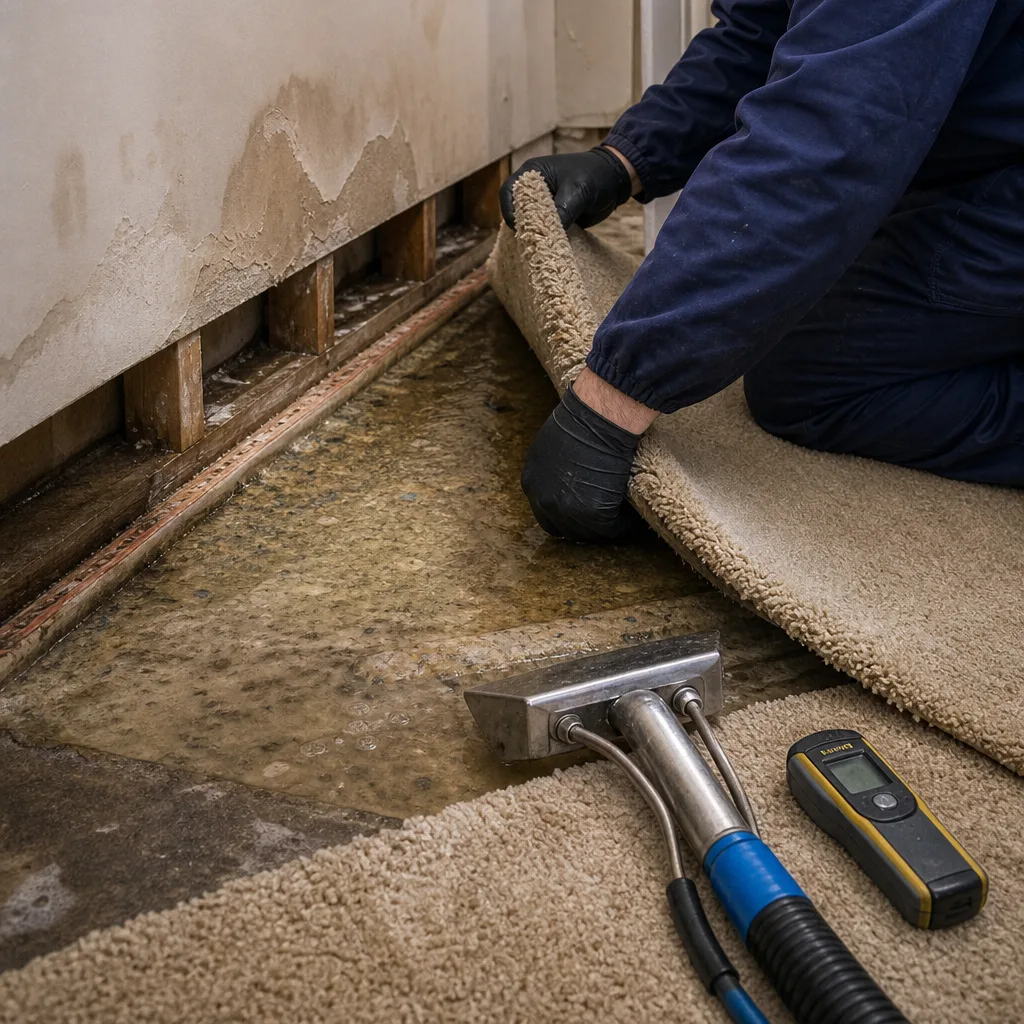
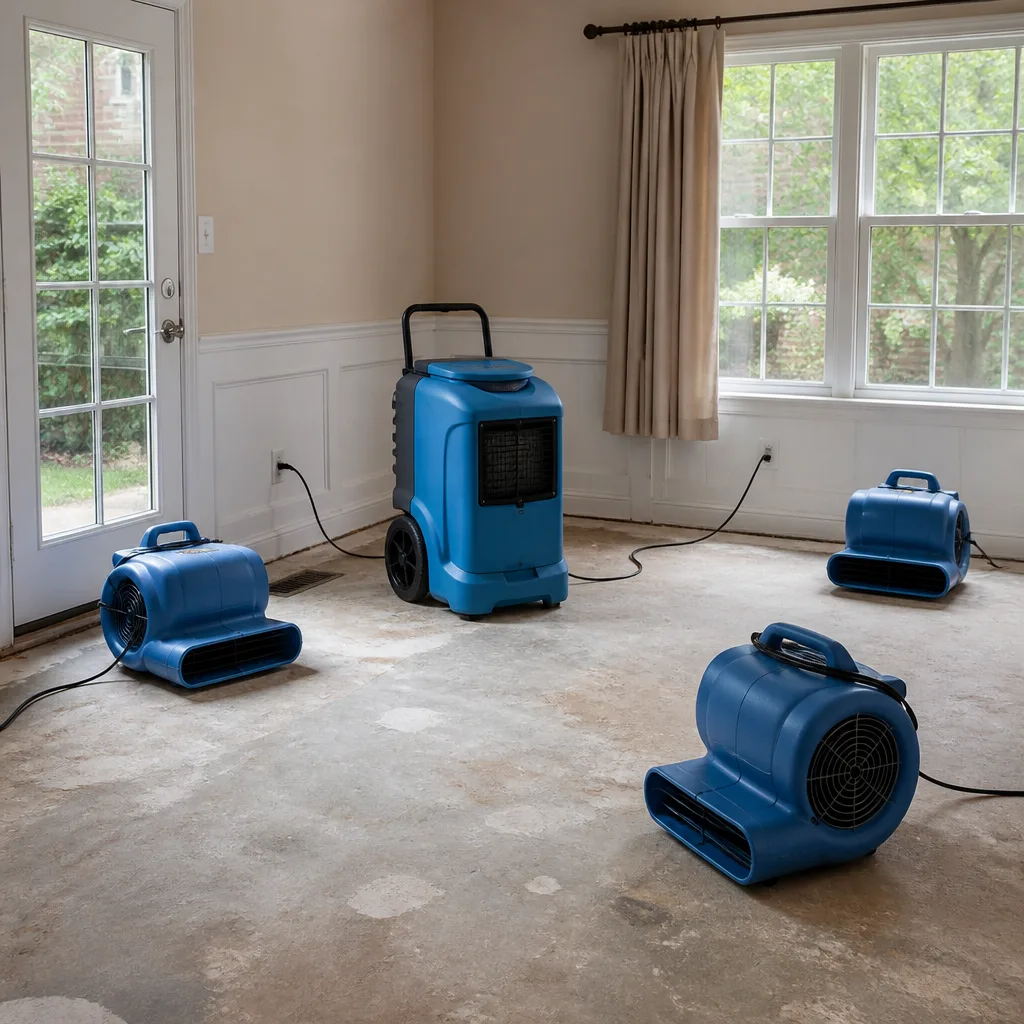
Equipment is where estimates diverge most dramatically, and where uninformed homeowners - debating DIY vs Professional Damage Restoration: The West Palm Beach Homeowner’s Decision Guide - lose the most money. The math is straightforward once you understand it. A standard residential drying job in West Palm Beach requires one air mover per 50-70 square feet of affected space and one dehumidifier per 1,000-1,200 square feet. A 2,000-square-foot home with water in the living room, kitchen, and hallway - roughly 900 square feet affected - needs 14-16 air movers and one large dehumidifier, or two smaller units.
At South Florida 2026 rates, that’s:
- 15 air movers × $35/day average × 4 days = $2,100
- 2 dehumidifiers × $65/day average × 4 days = $520
- Total equipment: $2,620
The inflation trick is simple: extend the day count. A contractor who leaves equipment running for six days instead of four adds $1,310 to the bill without adding value. The only legitimate extension is documented in the drying log - a moisture reading that hasn’t reached the dry standard, with a technician note explaining why (usually dense material like plaster or multiple layers of flooring). If the log doesn’t show it, the days shouldn’t be billed.
Here’s what a verifiable drying log entry looks like:
- Date and time of visit - not a range, a timestamp
- Technician name and license number - traceable to Florida DBPR
- Room-by-room moisture readings - wood moisture equivalent (WME) percentage and relative humidity
- Equipment count and positions - serial numbers or asset tags for each unit
- Psychrometric data - temperature, RH, and grains per pound (GPP) for the affected space
- Target dry standard - typically 12-16% WME for framing, referenced to an unaffected control reading
- Technician signature - not initials, a full signature
At DryMark Restoration West Palm Beach, every visit produces this record as standard deliverable, never an upsell. The equipment we deploy - Dri-Eaz and Phoenix dehumidifiers, XPOWER and B-Air air movers, Injectidry systems for hardwood - is documented to IICRC, RIA, and IFA standards. The serial numbers go in the log. The log goes to the adjuster. That’s how invoices become payable claims.
Tertiary drying, the final phase where vapor pressure differentials are used to pull bound moisture from dense materials, is where many contractors either over-equip or under-document. A vapor pressure differential of sufficient magnitude - the difference between the actual vapor pressure in the air and the saturation vapor pressure at that temperature - tells a technician whether the air can still absorb moisture from the material. If the differential collapses, more equipment won’t help; the space needs heat or different dehumidification strategy. Contractors who don’t measure this run equipment blindly and bill for the privilege.
West Palm Beach Cost Multipliers You Can’t Ignore
National Xactimate defaults don’t account for several factors that legitimately raise costs in Palm Beach County. A homeowner comparing a West Palm Beach estimate to a national average or a friend’s bill from Ohio is comparing different products.
Solid Waste Authority disposal fees. The SWA’s North County Transfer Station on 45th Street charges $62 per ton for construction and demolition debris as of 2026, with additional fees for regulated materials - Category 3 water debris, which may contain sewage, requires special handling. A whole-home pack-out generates 4-8 tons of debris. Disposal line items should appear explicitly; if they’re buried in “miscellaneous,” the estimate isn’t itemized enough to verify.
Licensed mold remediator requirements. Florida Statute 468.84 requires a licensed mold remediator on any job where mold is identified or reasonably suspected. In West Palm Beach’s climate, that’s most water jobs that aren’t caught within 24-48 hours. The license adds cost - typically $85-$150 per hour for the remediator’s oversight - but it’s not optional. An unlicensed contractor performing mold remediation is committing a misdemeanor, and any resulting documentation is inadmissible in an insurance dispute.
South Florida labor rates. Xactimate’s South Florida labor factor runs 1.18-1.24x national default, reflecting higher wages and cost of living. A drywall installer in West Palm Beach earns $28-$38 per hour versus $22-$28 in the national average. This isn’t markup; it’s the actual cost of qualified tradespeople in a market where construction demand stays high year-round.
Seasonal demand spikes. Hurricane season, June through November, compresses availability and can extend equipment rental periods when supply chains strain. A job that needs four days of drying in March may need five in September, not because of contractor delay, but because ambient humidity above 80% slows evaporation rates. The drying log should show this; the estimate should account for it upfront.
Historic home considerations. Neighborhoods like Flamingo Park and El Cid contain homes built before modern vapor barriers, with plaster and lath instead of drywall, and original hardwood over plank subfloors. These materials dry slower, require specialized equipment like Injectidry systems, and often can’t be replaced with modern equivalents under historic preservation guidelines. Estimates for these properties should show extended equipment days and specialized line items; if they don’t, the scope is incomplete.
Category 2 vs. Category 3: The Dollar Difference
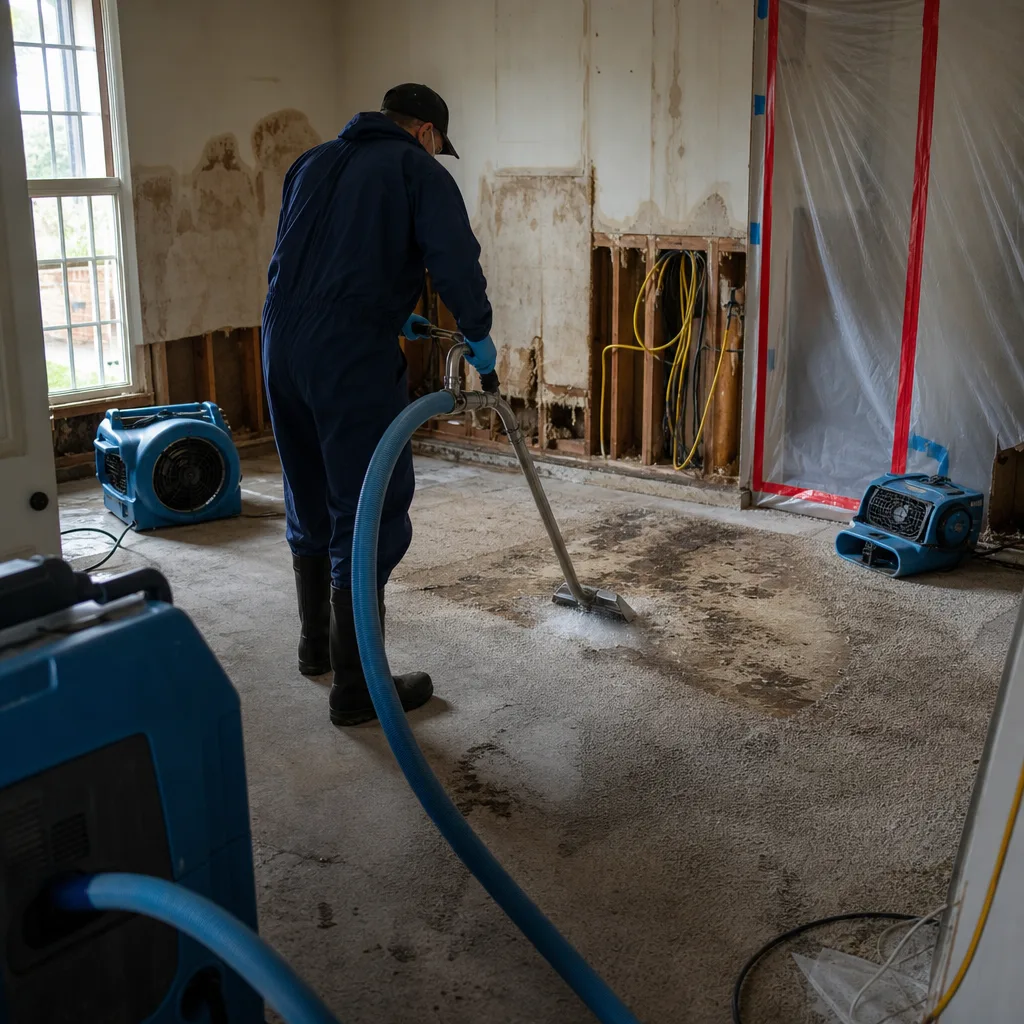
IICRC S500 defines water by contamination level, and that definition drives every line item that follows. Misclassification costs homeowners thousands - either through inadequate remediation that leaves health hazards, or through inflated bills for unnecessary treatment.
Category 1: Clean Water
Source is a broken supply line, tub overflow with no contaminants, or appliance malfunction. Costs stay lowest here because demolition is limited and antimicrobial treatment is typically unnecessary. A Class 1 (minimal moisture, fast evaporation) Category 1 loss in West Palm Beach runs $2,800-$4,500 for a typical kitchen or single bathroom. Line items are straightforward: extraction, air movers, dehumidifiers, monitoring, minimal removal.
Category 2: Gray Water
Contains significant contamination - dishwasher discharge, washing machine overflow, sump pump failures, or Category 1 water that sat 48-72 hours in West Palm Beach humidity. The line items change:
- All affected carpet and pad must be removed (WTR REM, carpet/pad)
- Antimicrobial application becomes standard (ANTMIC, $0.85-$1.60/SF)
- HVAC duct inspection and possible cleaning (DUCT CLN, $450-$850)
- Additional PPE and containment for technicians
A Category 2 loss of similar size runs $5,500-$9,000. The jump comes from broader removal requirements and the antimicrobial treatment that Category 1 doesn’t trigger.
Category 3: Black Water
Sewage, seawater, rising ground water, or any water with pathogenic agents. This is where estimates expand dramatically and where documentation becomes critical for claim payment. Required line items include:
- Full removal of all porous materials within the water line - drywall to 12 inches above visible water, insulation, carpet, pad, wood flooring, baseboards, cabinets
- Antimicrobial treatment of all remaining structural materials (ANTMIC, often 2-3 applications)
- HEPA air scrubbing during work (AIRSC, $185-$320/day)
- Negative air containment to prevent cross-contamination
- Licensed mold remediator oversight (FL required)
- Post-remediation verification sampling by independent third party
- Specialized disposal at SWA regulated facilities
A Category 3 whole-home loss in West Palm Beach starts at $12,000 and routinely reaches $25,000-$35,000 with reconstruction. The documentation burden is correspondingly heavy: chain-of-custody for samples, daily photo records, moisture logs, and the independent verification report.
We’ve seen Category 1 water in West Palm Beach homes escalate to Category 3 because the homeowner waited 96 hours in July humidity before calling. The water didn’t change source; the microbial growth did. That’s not contractor upselling - it’s biological reality, and it’s why speed matters on mitigation calls.
How to Read a Written Estimate for Missing Line Items
An incomplete estimate is a denied claim waiting to happen. Adjusters deny supplements for line items that should have been visible at scope - the “you should have known” rule. Here’s how to audit an estimate before signing.
Step 1: Verify the equipment count matches the space.
Count the affected square footage yourself. One air mover per 50-70 SF is standard; one dehumidifier per 1,000-1,200 SF. If a 1,500 SF affected area shows 8 air movers, that’s low. If it shows 30, that’s high. Ask for the calculation.
Step 2: Check for monitoring charges.
WTR MTR should appear as a per-visit line item or bundled daily rate. If it’s absent, the contractor isn’t planning to document drying progress. That’s a red flag for claim denial.
Step 3: Confirm documentation deliverables.
The estimate should state what you receive: photo record, drying log, written scope, final moisture readings. If these aren’t listed, they aren’t guaranteed. At DryMark Restoration West Palm Beach, Haven Standard, Clause 1 requires a written price before work begins - and that written price includes the documentation deliverables as line items, not vague promises.
Step 4: Look for disposal and permit fees.
West Palm Beach jobs affecting structural elements may need Damage Restoration Permits, Codes & Inspections in FL: What You Need to Know; debris disposal at SWA facilities always has cost. These should appear explicitly. “Included” with no dollar value means no proof of payment.
Step 5: Match water classification to line items.
A Category 3 estimate without antimicrobial treatment, air scrubbing, or independent verification is incomplete. A Category 1 estimate with those items is inflated. The classification should be stated, with justification.
Step 6: Verify the reconstruction phase is separate.
Mitigation and reconstruction are different trades with different timelines. A single blended estimate makes it impossible to verify that mitigation completed before rebuild began, which insurers require. Separate estimates, separate scopes, separate signatures.
The Free Second Opinion we offer exists for exactly this audit. Bring any competitor’s written estimate and we’ll review it against these criteria at no charge. Most gaps we find are omissions, not fraud - contractors who don’t understand documentation requirements, not ones who intend to deceive. The result is the same: a claim fight the homeowner didn’t anticipate.
Mold, Fire, and Storm: When the Math Changes
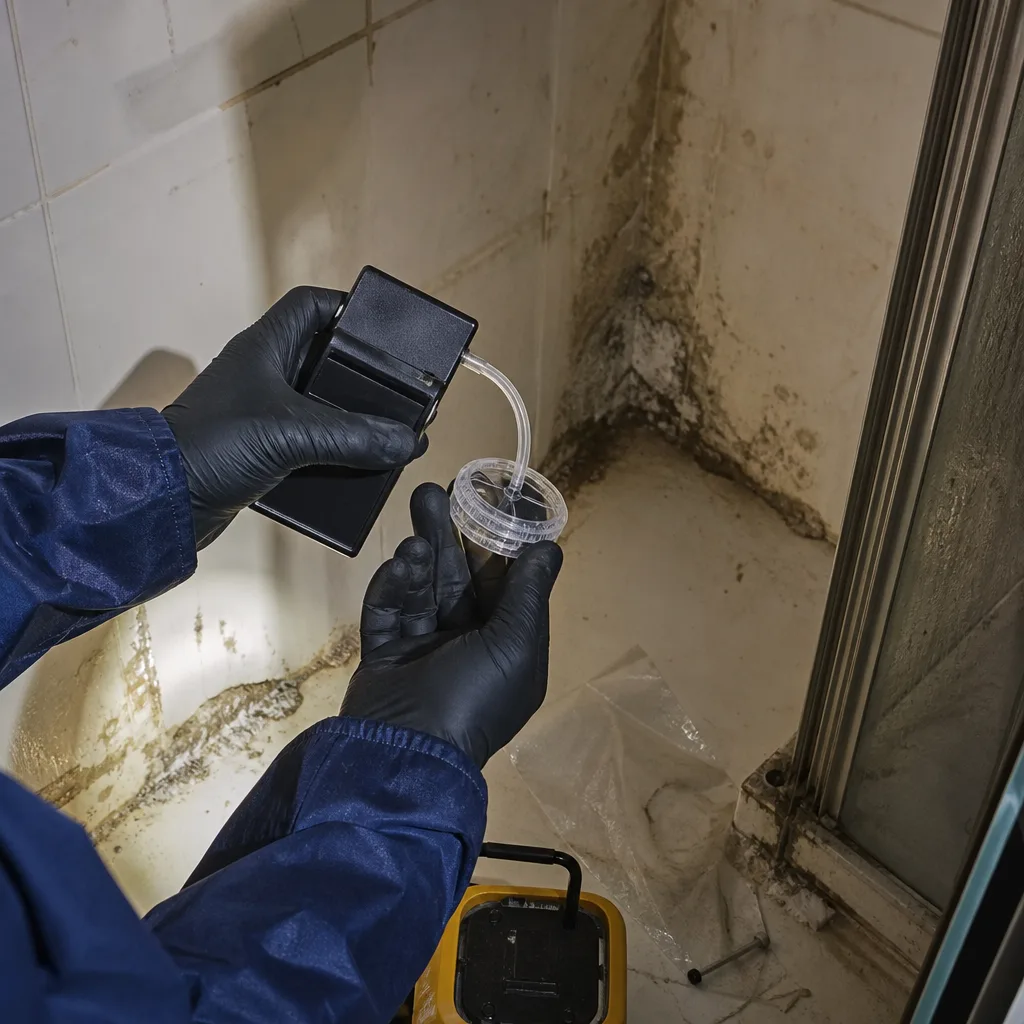
Water damage is the most common loss, but the documentation principles apply across loss types with different cost structures. Browse more guides & resources for type-specific guidance.
Mold Remediation
Florida’s mold licensing requirement makes this the most regulated restoration trade. A legitimate mold estimate in West Palm Beach must include: containment barrier installation (CONTAIN, $2.50-$4.20/SF of contained area), negative air machine operation (NAM, $95-$155/day), HEPA vacuuming of all surfaces (HEPA VAC, $0.65-$1.10/SF), antimicrobial treatment, and post-remediation verification by a Florida-licensed mold assessor independent from the remediator. Total costs run $15-$30 per square foot of contained area, with minimums of $2,500-$4,000 for small jobs due to setup costs. Mold Remediation in West Palm Beach follows this full protocol under licensed oversight.
The most common estimate gap in mold is the independent verification. A remediator who self-clears - who declares their own work complete without third-party testing - produces documentation that insurers and Florida courts treat as unreliable. The assessor’s report is a separate line item, typically $450-$850, and it’s non-negotiable for a defensible job.
Fire and Smoke Damage
Fire estimates are structured differently because the damage types layer: thermal damage to structure, smoke damage to contents and distant surfaces, water damage from suppression, and often chemical damage from extinguishing agents. A typical West Palm Beach kitchen fire with suppression runs $8,500-$18,000 for mitigation alone, with reconstruction often doubling the total.
Critical line items that homeowners miss: contents pack-out and inventory (PACKOUT, $4.50-$7.20 per item plus storage), ultrasonic cleaning for salvageable items, thermal fogging or ozone treatment for odor, and HVAC duct cleaning for smoke particle removal. The documentation here is photographic inventory - every item, every room, before anything moves. Fire & Smoke Damage Restoration in West Palm Beach includes this as standard, not supplemental.
Storm and Disaster
Hurricane losses trigger additional complexity: emergency tarping and board-up (emergency service rates, often 1.5x standard for immediate response), tree and debris removal, and potential flood insurance coordination separate from homeowner’s coverage. In West Palm Beach, storm surge and rising water are flood policy matters; wind-driven rain is homeowner’s. The estimate must specify which damage falls under which coverage, with photo documentation supporting the allocation. Contractors who don’t understand this distinction produce estimates that neither insurer will pay cleanly.
The 365-Day Done Right Promise applies across all loss types: if any completed work fails within a year, we return and correct it. That’s a written warranty under The Haven Standard, not a verbal assurance, and it’s stamped on every job file.
Common Mistakes to Avoid
- Accepting a “verbal estimate” or “ballpark figure.” Haven Standard, Clause 1 exists because verbal numbers have no standing in insurance disputes. A written price before work starts protects both parties.
- Ignoring the humidity factor. West Palm Beach’s average July humidity of 78% means water damage dries 30-40% slower than in drier climates. Estimates based on national averages assume faster drying and underestimate equipment days.
- Letting the mitigation contractor also handle reconstruction without competitive bidding. It’s convenient, but it removes the check on scope and pricing. Separate contracts, separate verification.
- Not requesting the drying log before final payment. The log is your proof that equipment charges were justified. A contractor who won’t produce it before you pay won’t produce it for the adjuster either.
- Assuming Category 1 water stays Category 1. In West Palm Beach’s climate, 48 hours is the practical limit. After that, microbial growth elevates the classification and the cost.
- Overlooking contents coverage. Many homeowners focus on structure and forget that pack-out, cleaning, and storage of damaged belongings are separate line items with separate limits.
- Signing a direction-to-pay without understanding it. This document gives the contractor claim payment rights. It’s sometimes appropriate, but it should never be signed before the estimate is fully understood and documented.
When to Call a Professional
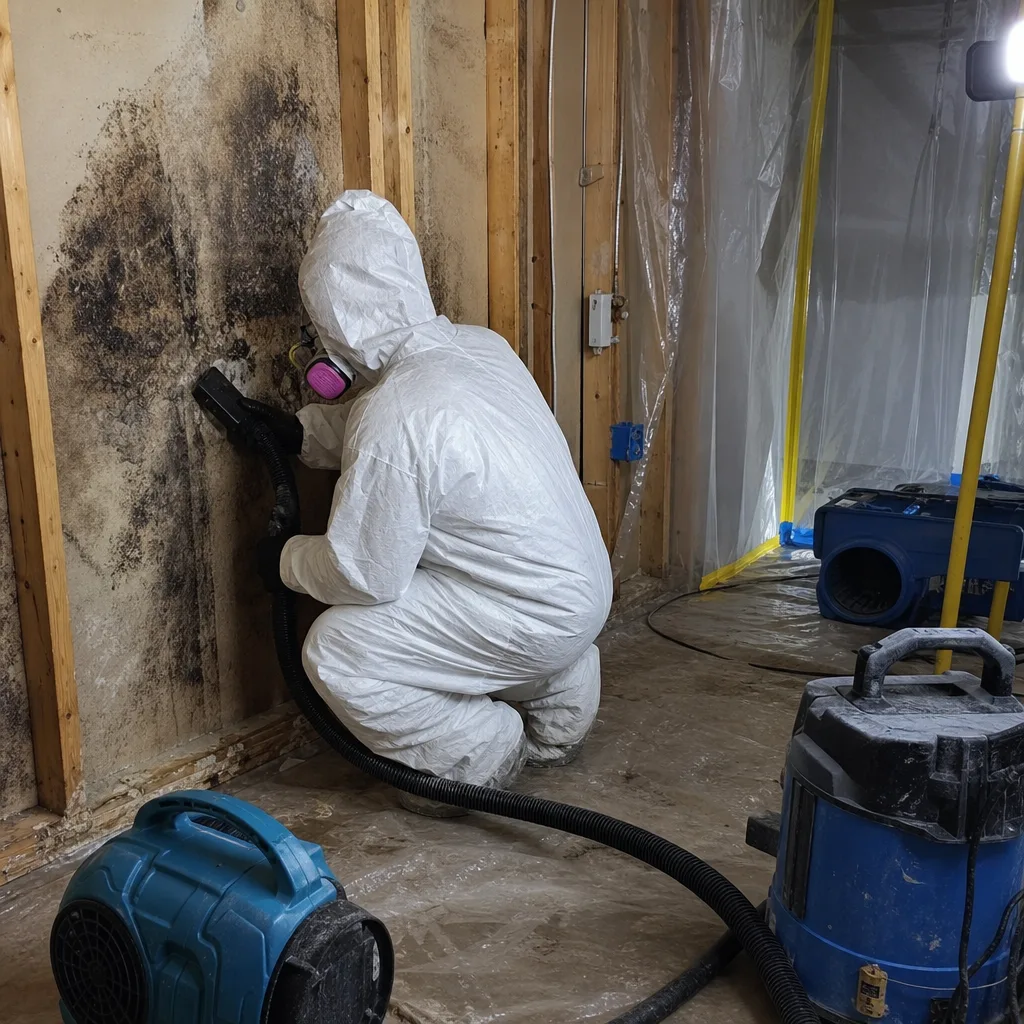
Call immediately when water is actively spreading, when the source is unknown, when there’s any suspicion of Category 2 or 3 contamination, when mold is visible or smelled, or when the loss involves electrical systems, gas lines, or structural elements. For fires, call once the fire department clears the structure; for storms, once it’s safe to access. Speed on mitigation prevents classification escalation; patience on reconstruction ensures proper scoping.
DryMark Restoration West Palm Beach offers free estimates in West Palm Beach - call (561) 290-5060. A live person answers every call, 24 hours a day, 7 days a week, with no voicemail trees. Every estimate is delivered in writing before work begins, with documentation deliverables itemized and equipment counts justified by square footage. The Free Second Opinion on any competitor’s written estimate is available at no charge.
Frequently Asked Questions
Expect $3,200-$18,500 depending on water category, affected square footage, and whether mold remediation or reconstruction is needed. A contained Category 1 kitchen leak with Class 1 drying runs at the low end; a Category 3 whole-home flood with mold and rebuild reaches the high end. Call (561) 290-5060 for a written estimate with exact line items - estimates are free.
Insurance covers sudden and accidental losses, not maintenance failures or gradual leaks. The gap between claim settlement and contractor invoice - that $2,800 average - closes when documentation is complete from day one. Photo records, drying logs, and written scopes are the proof that turns estimates into payable claims. We coordinate directly with adjusters and document to IICRC, RIA, and IFA standards for this purpose.
Live phone coverage is available 24 hours a day, 7 days a week with no voicemail on emergency lines. Response time depends on current call volume and your location within West Palm Beach, but emergency mitigation - water extraction, board-up, temporary stabilization - is prioritized for same-day dispatch. Reconstruction is scheduled, not dispatched, and scoped in writing before any work begins.
Florida law requires a licensed mold remediator for any mold-affected area exceeding 10 square feet. DIY cleaning of smaller areas is legally permitted but rarely advisable - improper disturbance releases spores and can spread contamination. More critically, self-cleaned mold produces no documentation for insurance or property disclosure purposes. A licensed remediation with independent verification protects both health and claim value.
We do, with your authorization. Our documentation - photo records, drying logs, written scopes, equipment serial numbers - is formatted for direct adjuster submission. We don’t negotiate settlement amounts; we provide the evidence that supports the estimate we wrote. Direct billing to insurance is available when policy terms allow.
Ask for the calculation: affected square footage divided by 50-70 SF per air mover, 1,000-1,200 SF per dehumidifier, multiplied by days justified by moisture readings in the drying log. Equipment without a log is unverifiable; equipment with a log showing dry-standard achievement is justified. The daily rate per unit should match regional Xactimate ranges - question any rate 50% above or below without explanation.
The Bottom Line
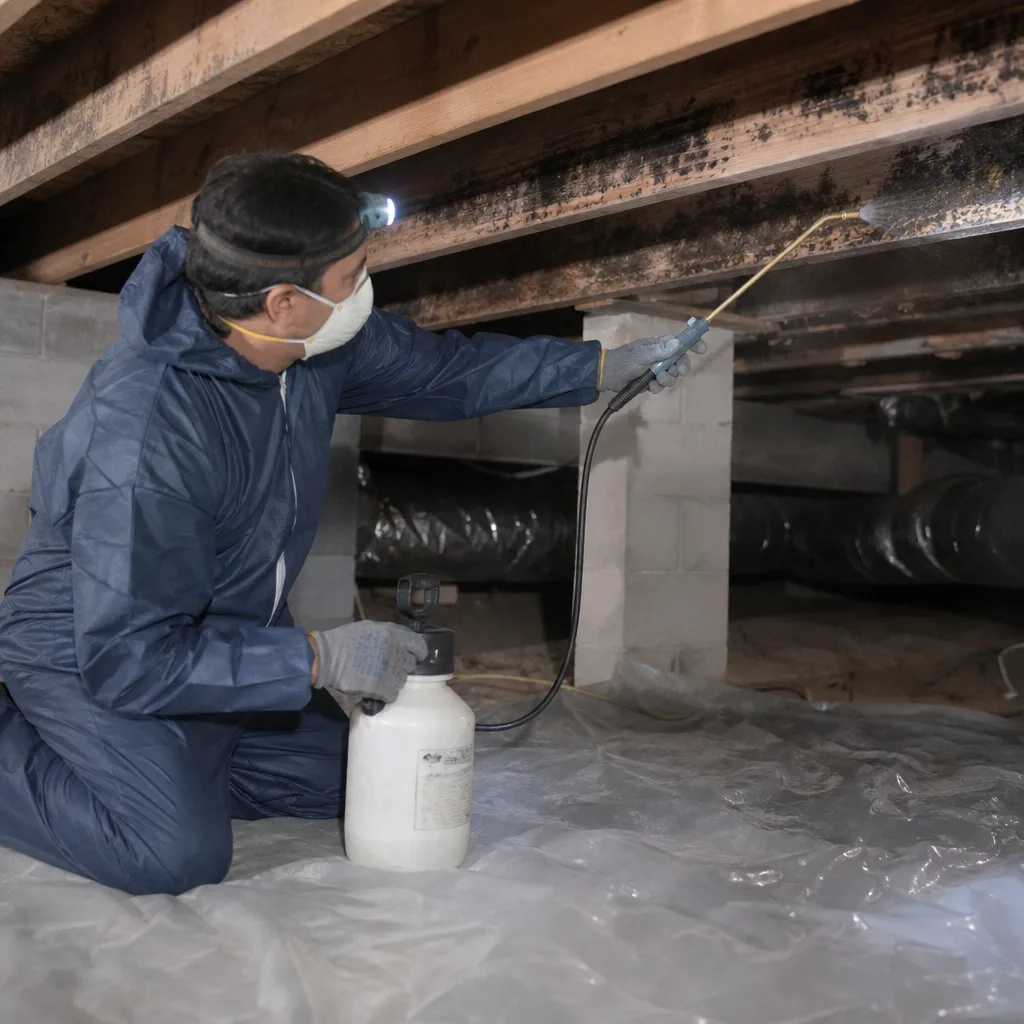
Restoration costs in West Palm Beach are knowable before work starts, verifiable while work proceeds, and defensible when claims are filed. The $2,800 gap between average settlement and average invoice isn’t mystery markup - it’s documentation that wasn’t produced, line items that weren’t understood, and scopes that weren’t written. A homeowner who can read Xactimate line items, verify equipment calculations, and demand a drying log owns the process. The contractors who thrive in this market are the ones who welcome that scrutiny. We’ve built our practice around it since 2011.
Written by Alicia Brennan, Owner at DryMark Restoration West Palm Beach, serving West Palm Beach since 2011.