
Last updated September 23, 2026
Free visual inspection and a written scope of work before any mitigation begins - photos, moisture readings, and drying logs go in your claim file
The scope we write is the scope we bill. Anything new gets shown to you, in writing, before we touch it.
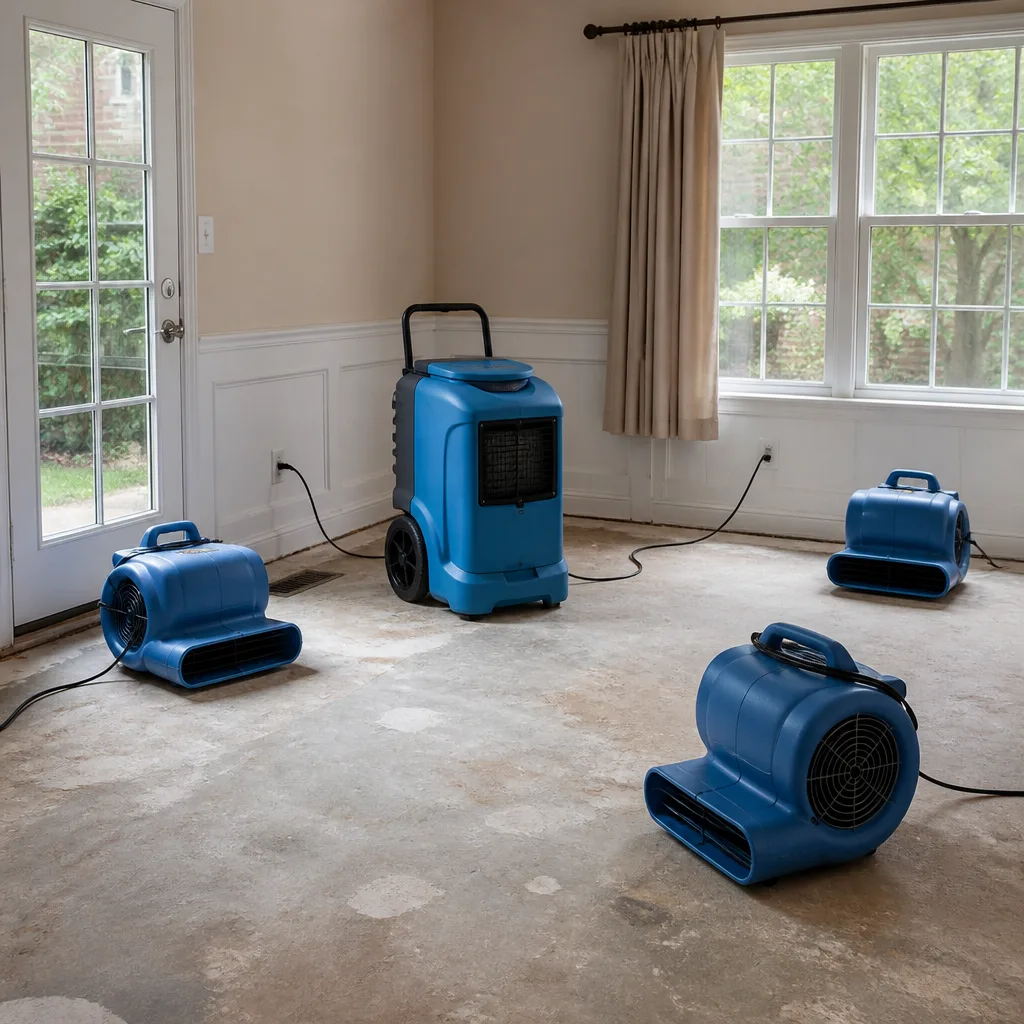
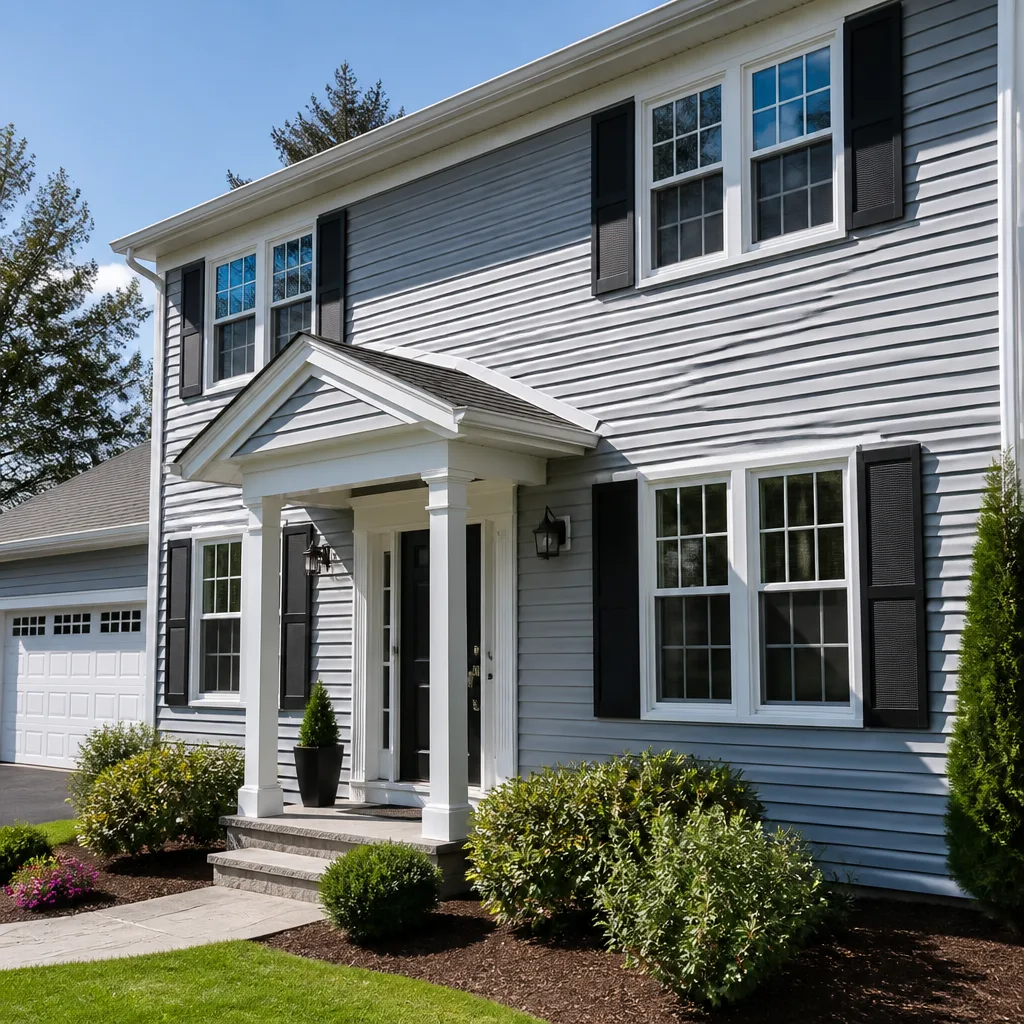
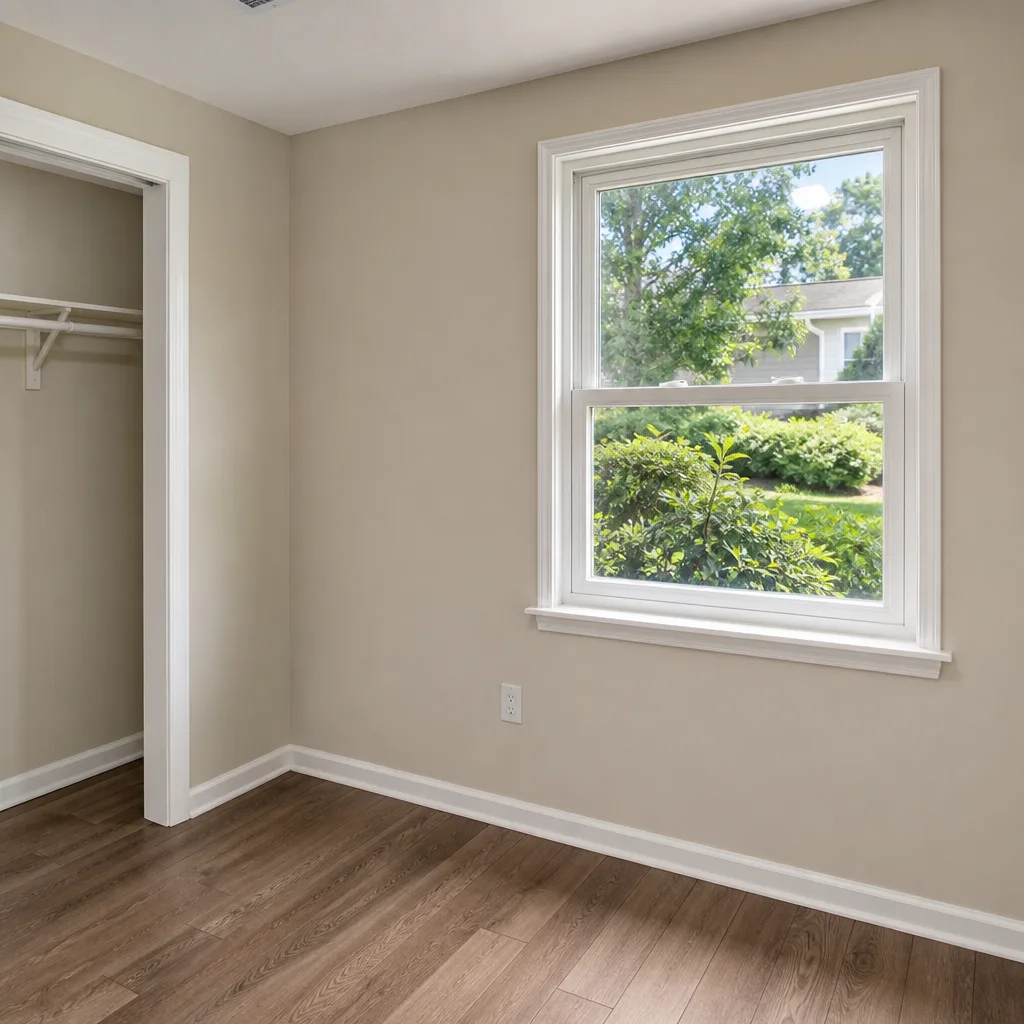
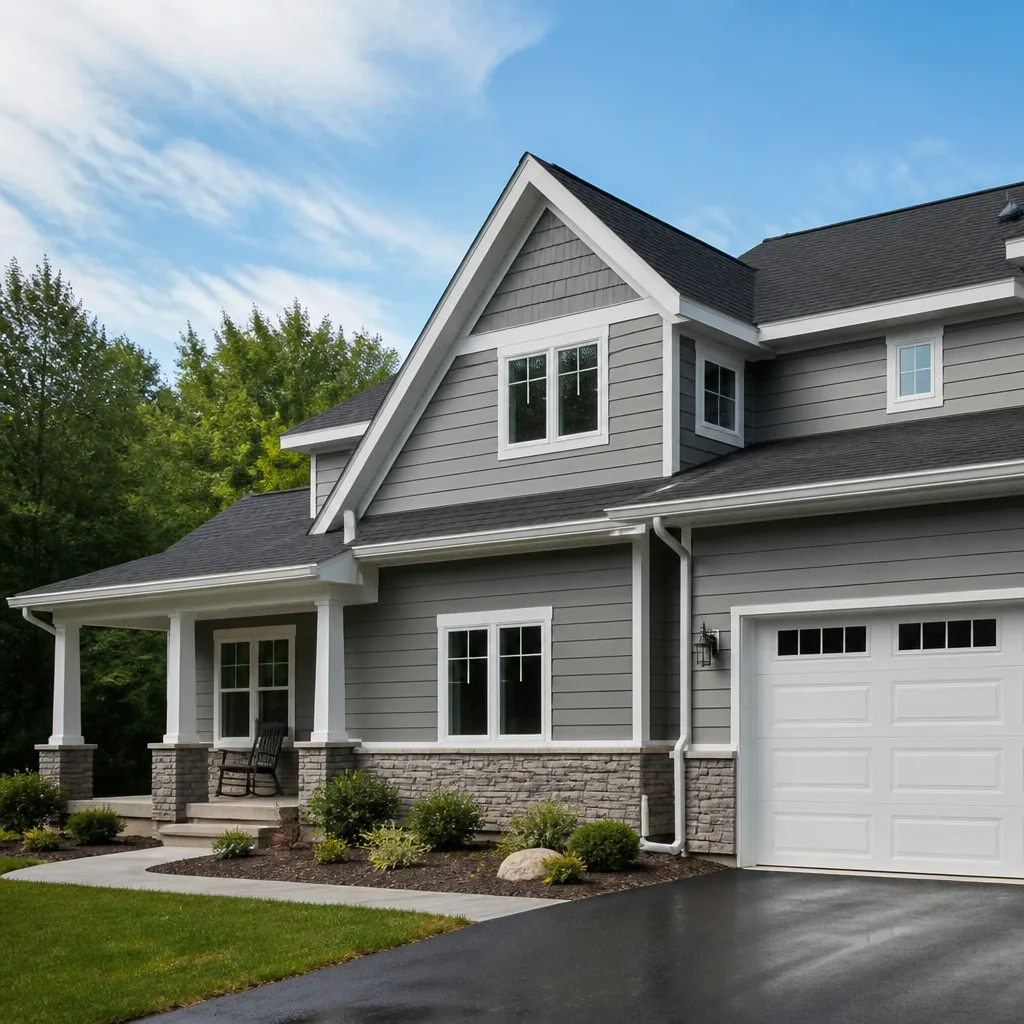
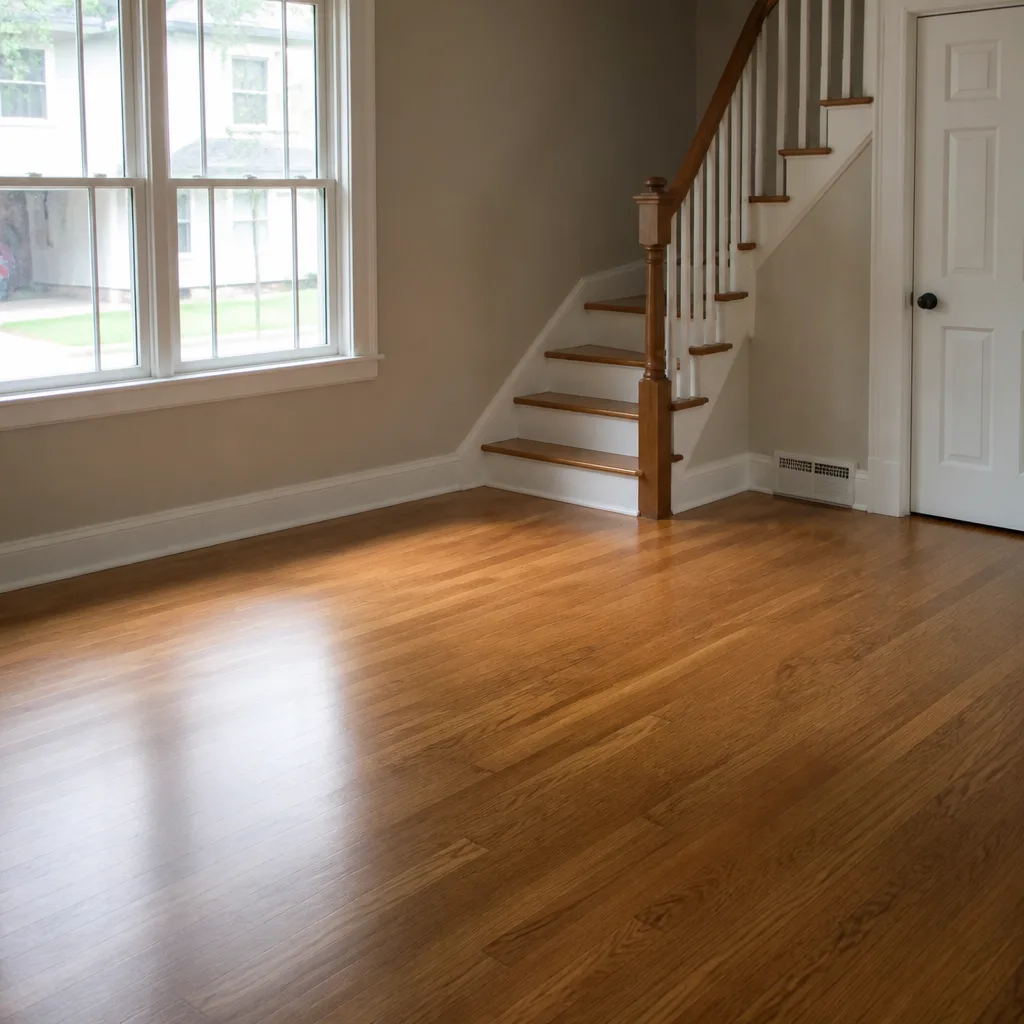
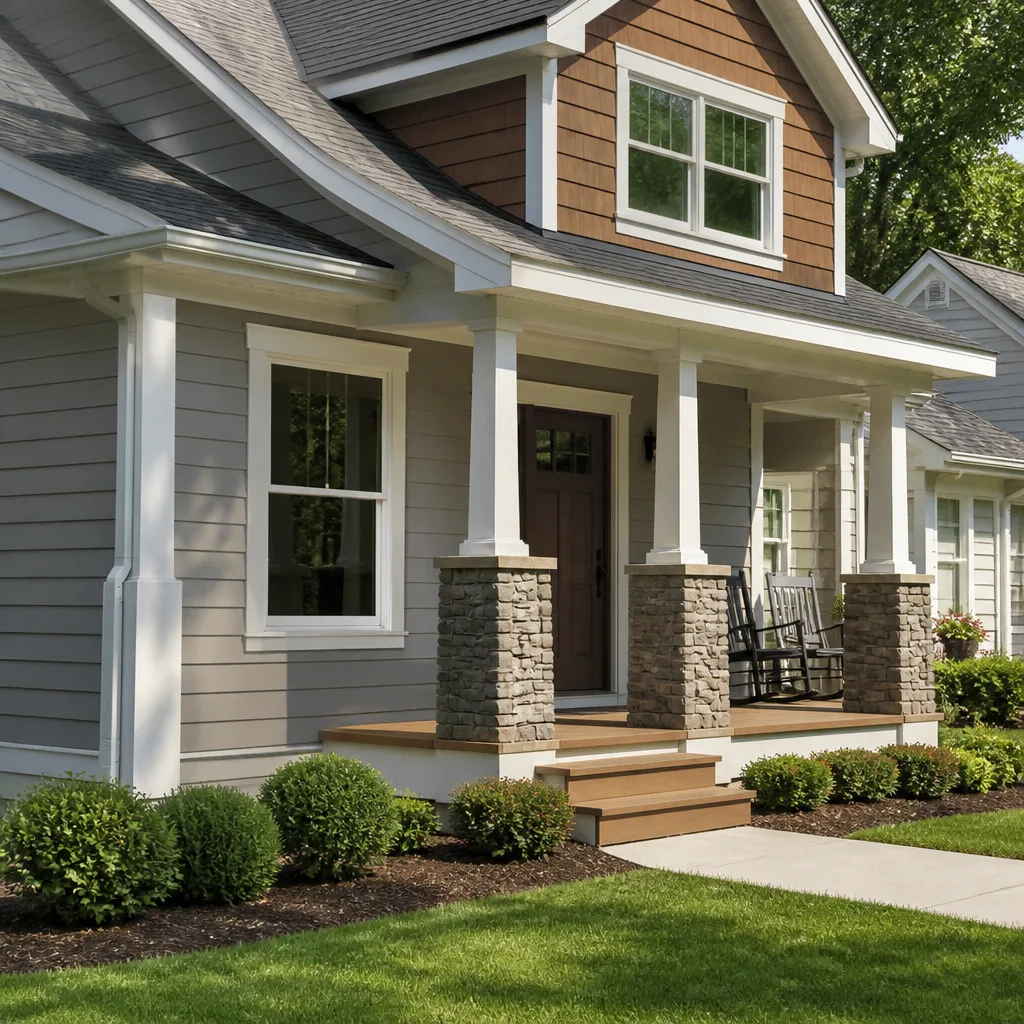
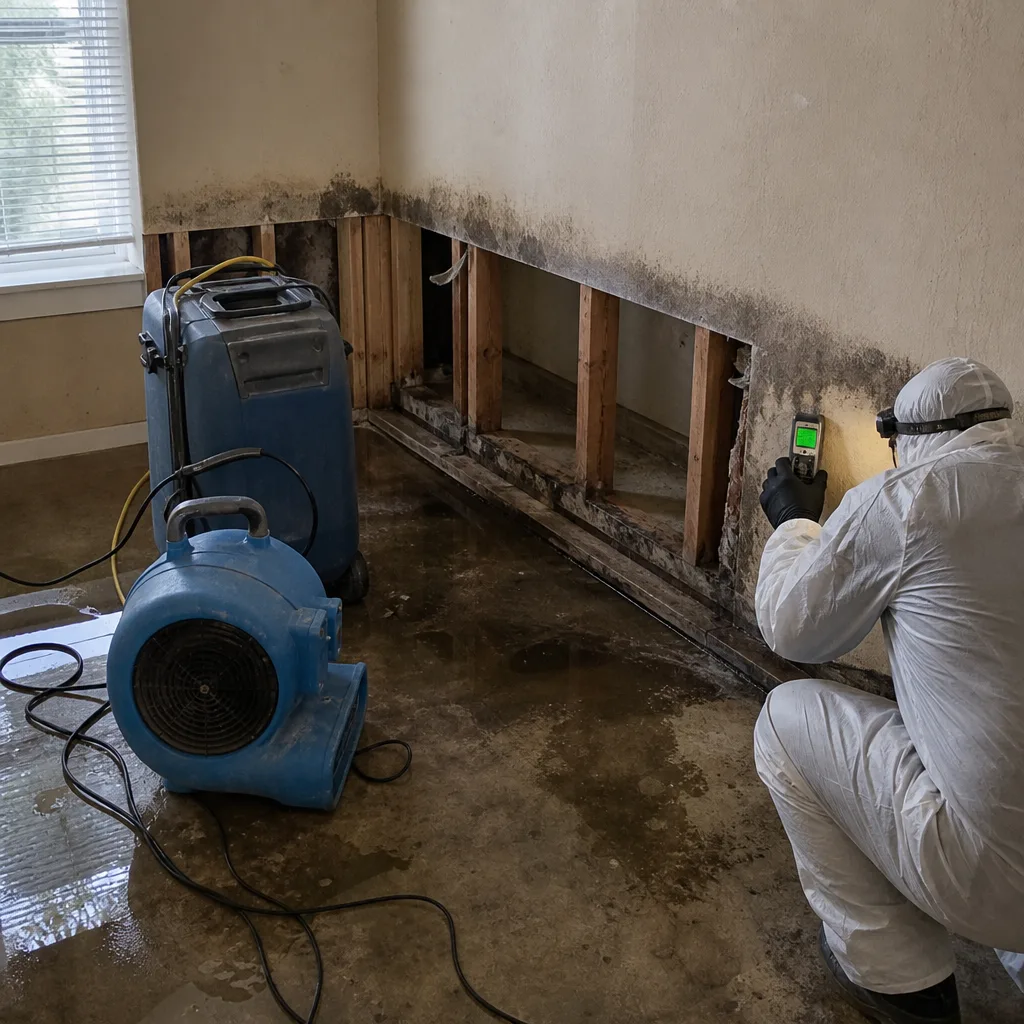 Before
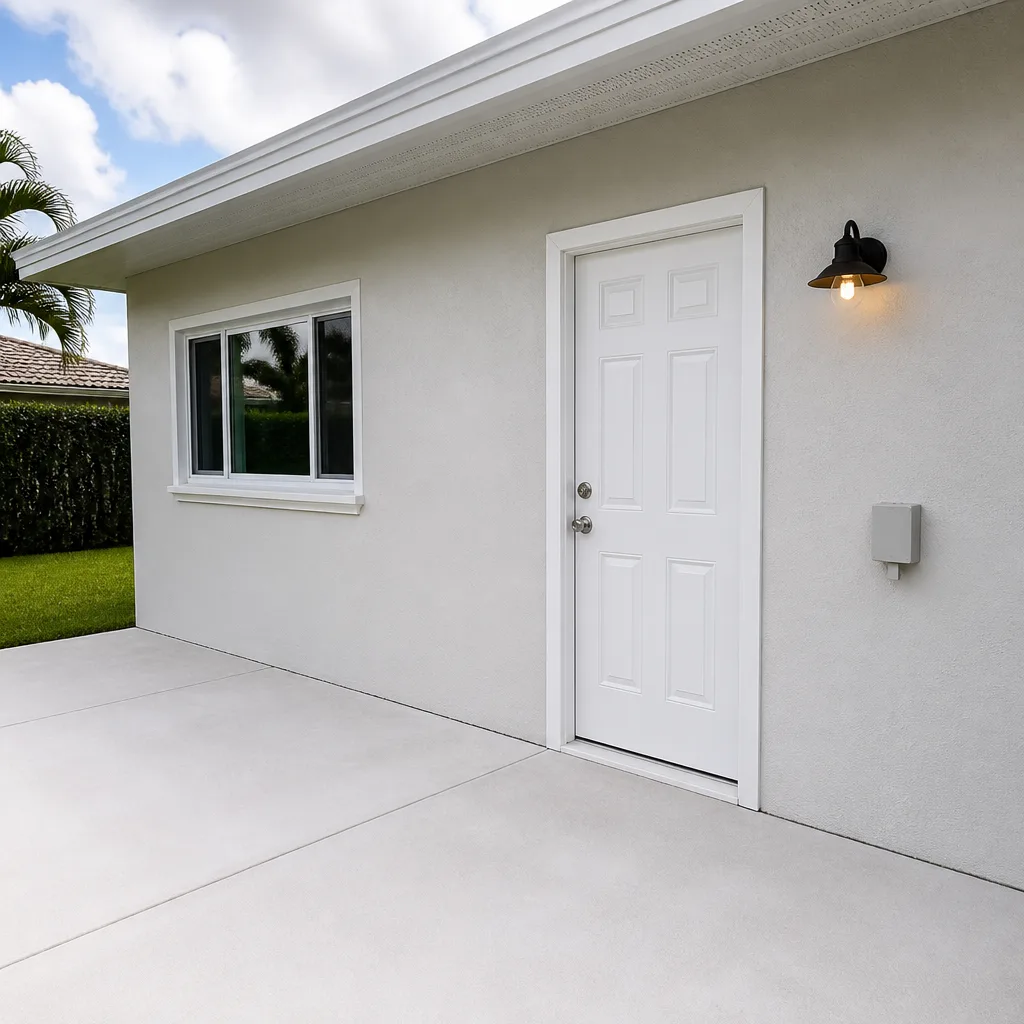 After
After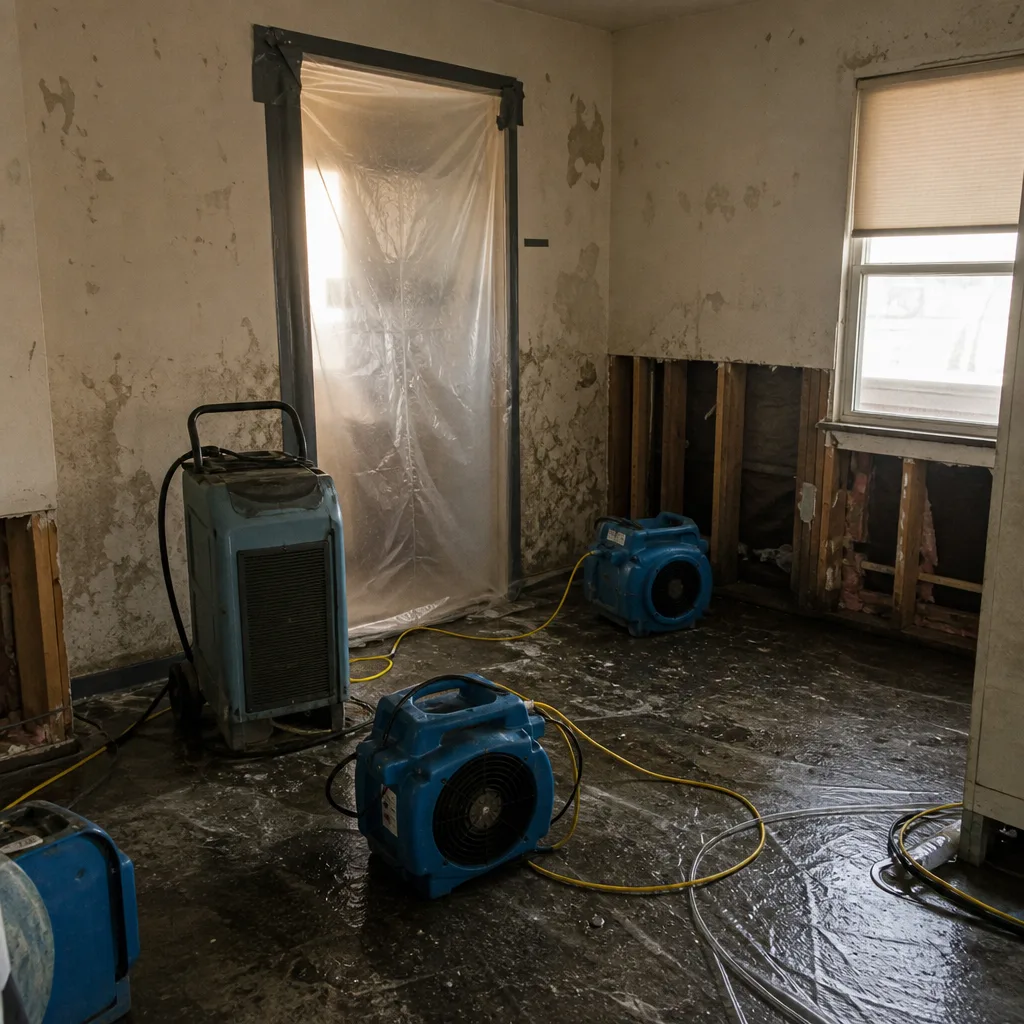 Before
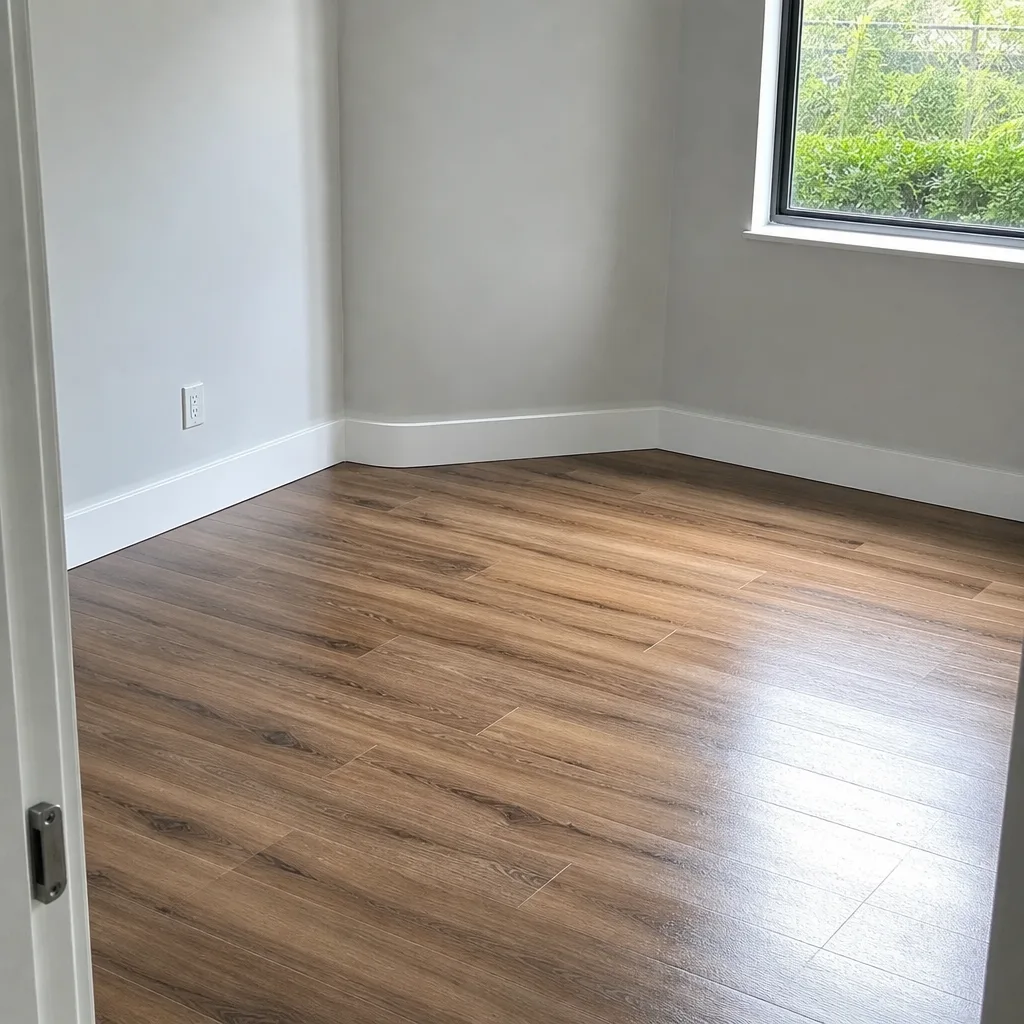 After
After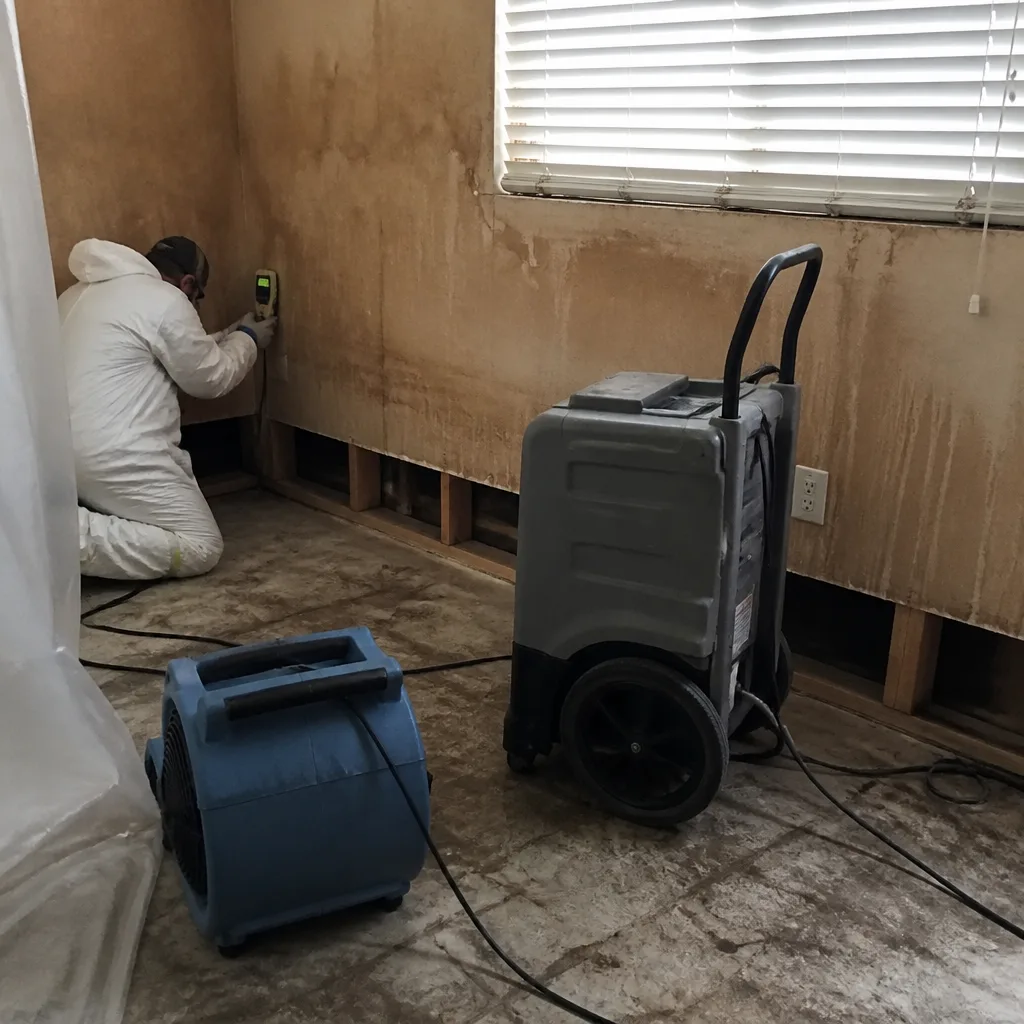 Before
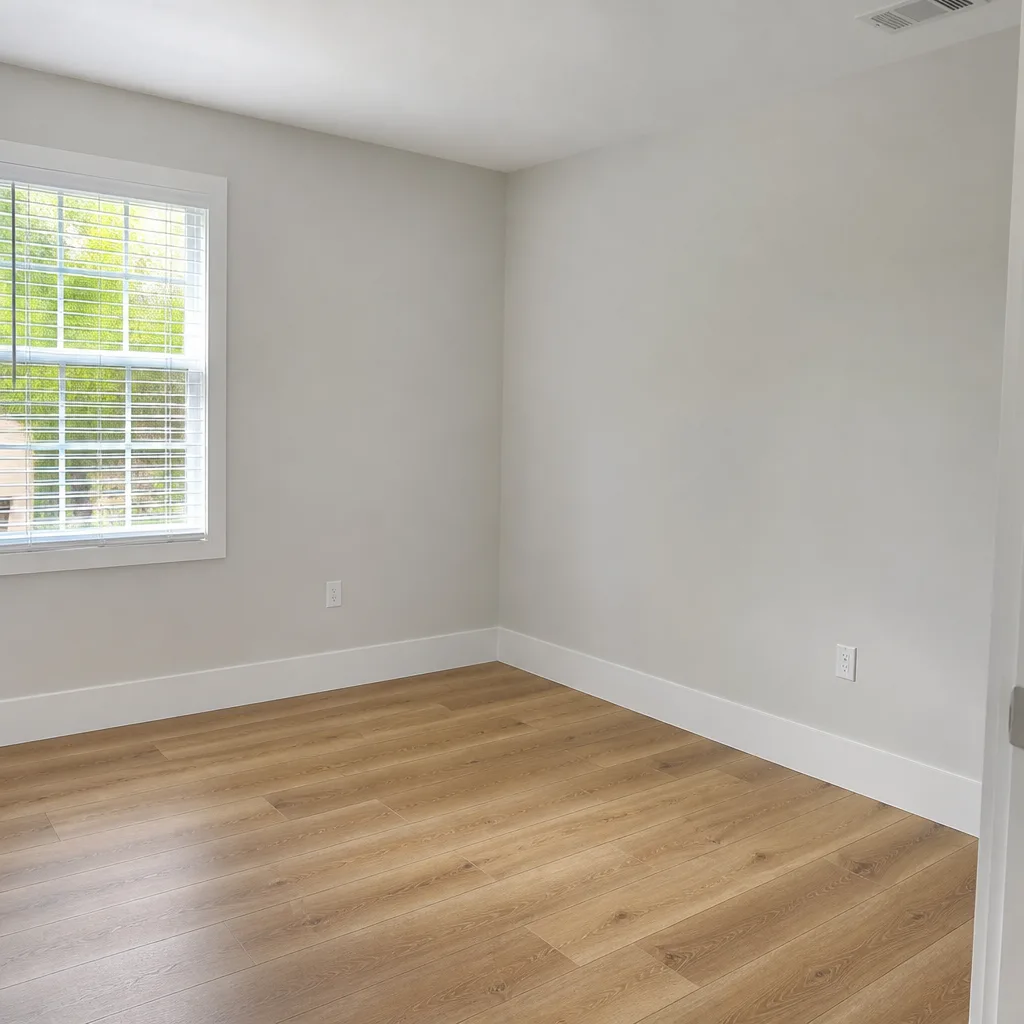 After
AfterSeasonal Damage Restoration Care for West Palm Beach: Year-Round Homeowner’s Guide
South Florida’s rainy season drops an average of 62 inches per year on West Palm Beach - more than Seattle - but the moisture damage it causes is slower, more insidious, and almost never covered by the dramatic storm-damage framing homeowners expect. The leak that starts in August and surfaces in October was not caused by October’s storm. In our experience restoring over 12,000 homes since 2011, the most expensive claims we see in West Palm Beach are not from hurricane landfall. They’re from slow-building moisture that homeowners missed because they were watching the wrong season. This guide maps the two overlapping damage cycles that actually govern your property: hurricane season and rainy season, which share eight months but demand completely different preparation and documentation strategies.
Quick Answer
West Palm Beach homes face two distinct damage cycles: hurricane season (June-November) with its sudden wind-driven water intrusion, and rainy season (May-October) with its slower, humidity-driven envelope failures. The most costly damage happens at their intersection - August through October - when saturated building materials meet tropical systems. Year-round protection requires May baseline documentation, monthly envelope checks during overlap months, and post-rainy-season moisture mapping in November-December before the dry season masks problems.
Table of Contents
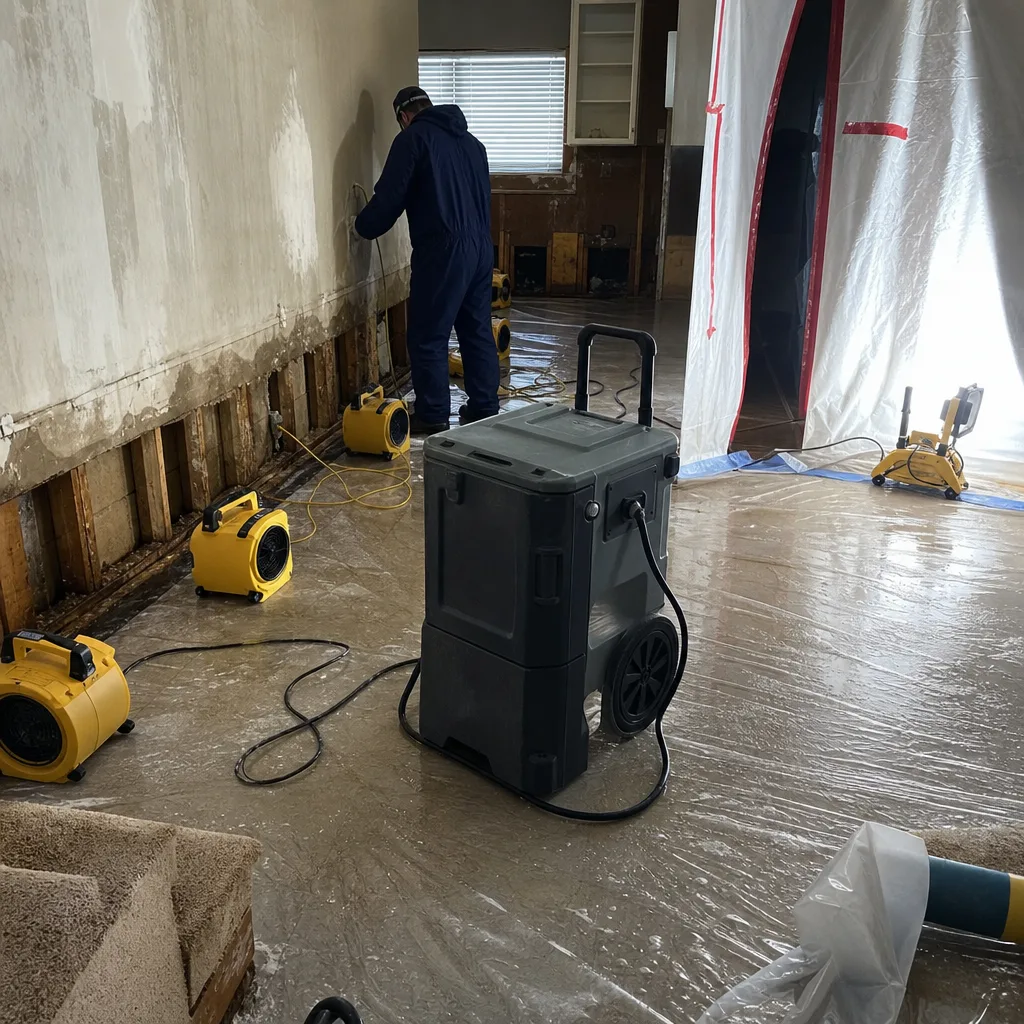
- Why West Palm Beach Has Two Damage Seasons, Not Four
- May-June: The Baseline Documentation Window
- July-August: The Overlap Peak - Sustained Rain Meets Building Saturation
- September-October: Hurricane Season’s Late Surge
- November-December: The Critical Post-Rainy-Season Inspection
- January-April: Dry Season’s Hidden Indoor Moisture Problems
- Building Envelope Failures: How Rainy Season and Hurricane Season Break Different Things
- The Documentation System That Turns Claims Into Paid Invoices
 Before
 After
AfterWhy West Palm Beach Has Two Damage Seasons, Not Four
Most seasonal home maintenance guides import a four-season framework that doesn’t survive first contact with South Florida. West Palm Beach doesn’t have spring thaw, fall leaf-clogged gutters, or winter freeze-thaw cycles. What we have are two overlapping systems: the rainy season (roughly May 15 through October 15, per NOAA’s South Florida Wet Season definition) and hurricane season (June 1 through November 30, per the National Hurricane Center).
These share eight months. But they damage homes through different mechanisms.
Rainy season works through duration and humidity. Daily afternoon thunderstorms, sustained relative humidity above 75%, and soil saturation that doesn’t drain for weeks. The damage signature is gradual: swelling door frames, efflorescence on concrete block, attic moisture from vent-stack condensation, and slow envelope breaches at flashing points that never see wind.
Hurricane season works through intensity and pressure differential. Wind-driven rain at 40+ mph forces water through soffit vents, under ridge caps, and past window seals that handle normal rainfall fine. The damage signature is acute: ceiling collapses from breached roof decking, wall cavity flooding from pressurized window leaks, and - in the worst cases - structural opening from wind-borne debris.
The critical insight for West Palm Beach homeowners: these seasons don’t just coexist. They compound. A roof with a minor flashing breach from July’s sustained rainfall becomes a major failure point when September’s tropical storm forces water through the softened substrate. The plywood decking that read 18% moisture content in June may read 28% by late August - above the 20% threshold where mold colonization accelerates, and perilously close to the 30% where structural integrity degrades.
We’ve documented this pattern repeatedly in West Palm Beach neighborhoods from El Cid to Northwood. The homes that fare best aren’t necessarily the newest or most expensive. They’re the ones with documented baseline conditions from May and disciplined inspection schedules through the overlap months.
May-June: The Baseline Documentation Window
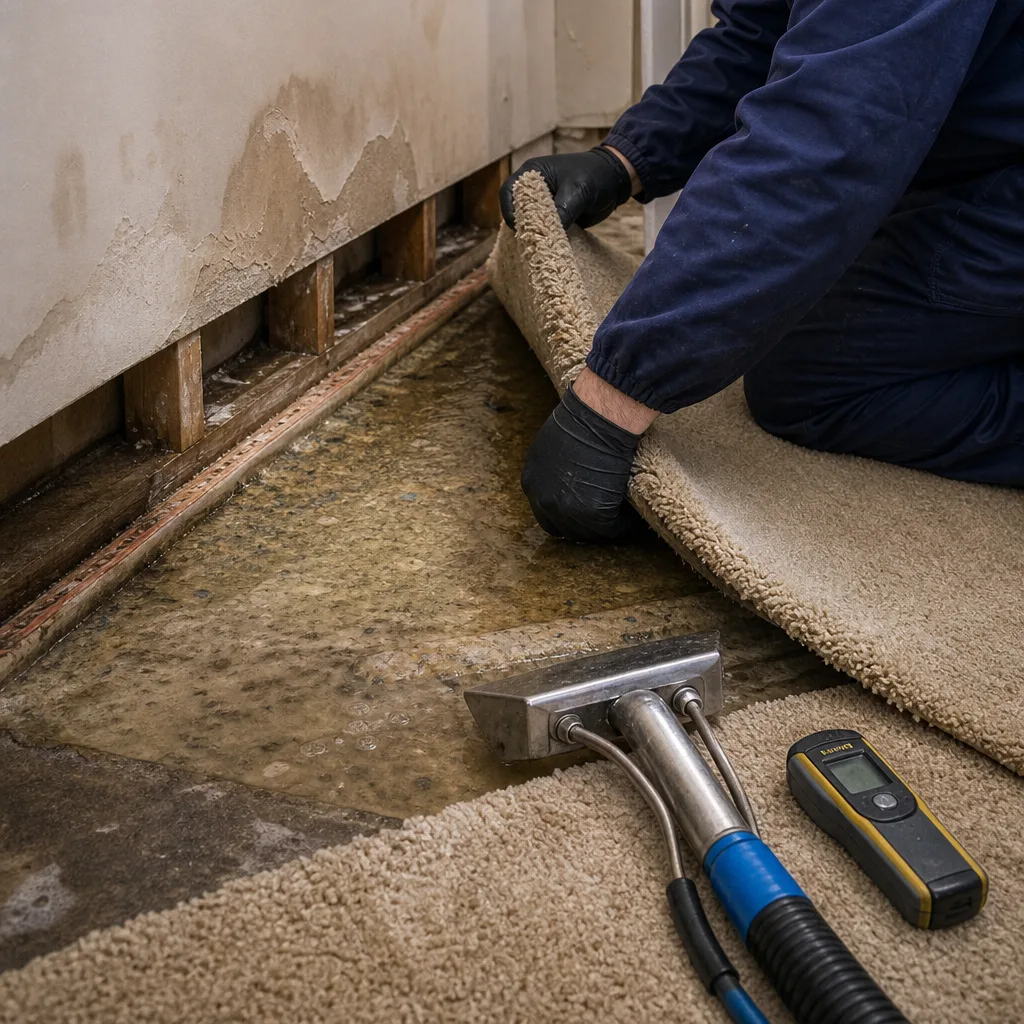
May is the most important month for damage prevention that most West Palm Beach homeowners ignore. The rainy season hasn’t started. Hurricane season hasn’t opened. The building envelope is at its driest point of the year. This is when you establish the documentation that will determine whether your insurer pays your claim or denies it for “pre-existing condition.”
Here’s what we recommend, based on the documentation protocols we developed under The Haven Standard:
- Photograph every roof plane from the ground - and from a ladder at the eaves if you can do so safely. Capture ridge caps, vent boots, and any discoloration on soffits. Date-stamp everything. These photos establish “pre-storm condition” for any June-through-November claim.
- Record interior humidity readings in every room with a calibrated hygrometer. Note the reading, the room, the date, and the outdoor conditions. West Palm Beach’s May relative humidity typically runs 65-72%. Readings above 55% indoors with HVAC running indicate envelope or mechanical issues that rainy season will worsen.
- Document your HVAC condensate drainage - where the line exits, whether it’s clear, and whether the pan has standing water. May is before the system’s summer workload, so any drainage issue now will compound when the unit runs 18 hours daily in July.
- Inspect and photograph attic conditions: insulation position, any darkening on rafters or decking, and ventilation flow. Attic temperatures in West Palm Beach can exceed 130°F in summer; moisture trapped in that environment accelerates degradation exponentially.
- Walk the property perimeter during and after a typical afternoon thunderstorm (West Palm Beach averages 8.5 rainy days in May). Note where water pools, where downspouts discharge, and whether French drains keep pace. Photograph any saturation within 10 feet of the foundation.
Store these records in cloud backup and local copy. We’ve seen insurers deny claims for roof damage that homeowners “knew about” but never documented as pre-existing. A dated photo of clean decking in May makes that denial impossible to sustain.
June opens hurricane season, but the early weeks rarely bring tropical systems to West Palm Beach. Use this time to verify that any May findings were addressed, and to update your documentation if work was performed. A written scope from your contractor - with photos before, during, and after - becomes part of your property’s permanent record.
July-August: The Overlap Peak - Sustained Rain Meets Building Saturation
July and August represent the most dangerous period for West Palm Beach homes. NOAA data shows these as the wettest months, with average rainfall of 6.5-7.5 inches each, but the critical factor isn’t total volume - it’s sustained soil saturation and minimal drying time. West Palm Beach averages 15-17 rainy days per month in this period, meaning the ground rarely dries between events.
This sustained wetness produces damage patterns that hurricane-prep guides miss entirely:
- French drain failure: Systems designed for intermittent rainfall cannot process sustained volume. We’ve found saturated foundations in West Palm Beach’s older neighborhoods - Flamingo Park, Grandview Heights, Southland Park - where clay-heavy soils (a legacy of former wetlands) expand against basement and slab perimeters, cracking perimeter drains and forcing water through expansion joints.
- Soffit vent ingestion: Normal rainfall flows down roof planes. Sustained rainfall with light wind (15-25 mph, common in July afternoon storms) drives water upward against soffit vents designed only for passive airflow. The resulting attic moisture rarely produces visible ceiling stains immediately - instead, it elevates attic humidity until insulation compresses and mold colonizes hidden surfaces.
- HVAC condensate overflow: Systems running continuously in 90°F+/75%+ RH conditions produce condensate volumes that overwhelm poorly maintained drain lines. The secondary pan - the “emergency” drain - becomes the primary path, and when it too fails, water follows ductwork to the farthest supply registers, often the master bedroom or formal living room.
- Window well flooding in split-level and sunken entries: West Palm Beach’s 1980s-1990s construction includes many homes with stepped entrances or below-grade window wells. Sustained rainfall overwhelms the 2-3 inch gravel beds and membrane waterproofing, flooding finished basement areas that homeowners didn’t realize were vulnerable.
Our July-August protocol for West Palm Beach properties under monitoring: weekly exterior walk-through during active weather, monthly attic humidity checks with a probe hygrometer (target: below 65% RH), and immediate documentation of any new efflorescence, door-frame swelling, or HVAC performance change. The drying log format we use - psychrometric data including temperature, relative humidity, and vapor pressure differential (the force that drives moisture from wet materials to dry air) - lets us track whether a building is trending toward or away from equilibrium.
If you find attic moisture above 70% RH or visible mold on any surface, that is not a DIY project. Disturbing mold colonies without containment and negative air pressure spreads spores through the HVAC system. Mold remediation in West Palm Beach requires IICRC-standard containment, and the documentation of affected square footage and material classification (Category 1, 2, or 3 water source) that insurers require for coverage verification.
September-October: Hurricane Season’s Late Surge
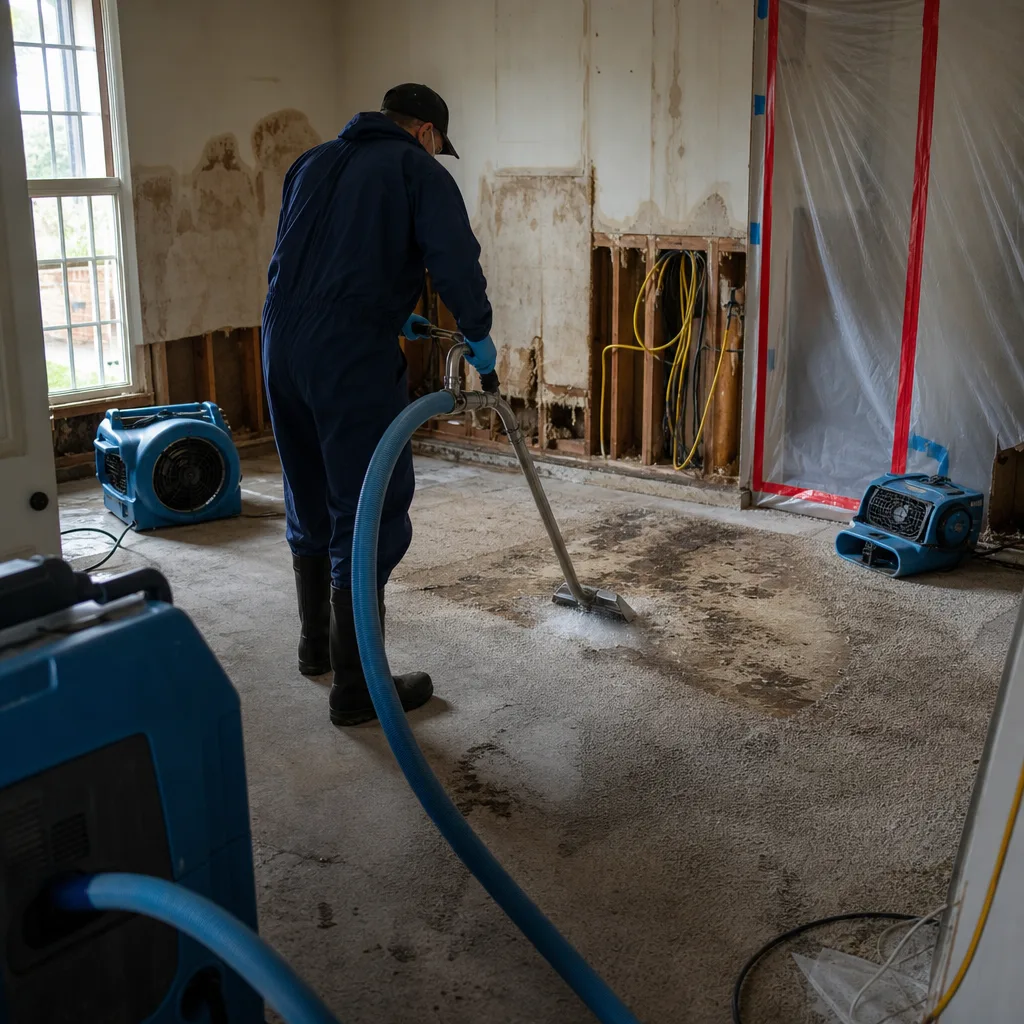
September is West Palm Beach’s statistical peak for tropical storm and hurricane landfall. October remains active, though the threat shifts toward late-season systems forming in the Caribbean. The damage profile changes from July-August’s sustained-rain pattern to acute wind-driven water intrusion, often compounding existing vulnerabilities.
The specific failure points we document most frequently in West Palm Beach water damage restoration during this period:
- Ridge cap lift and roll: Sustained winds of 50+ mph (tropical storm force) create uplift pressure at ridge lines. Caps that were hand-sealed or deteriorated from UV exposure lift, allowing direct water intrusion onto the highest point of roof decking. The damage is invisible from the ground until ceiling drywall fails.
- Window seal breach from pressure cycling: Modern impact windows handle pressure, but the sealant bed between frame and wall substrate does not. Rapid pressure changes - common in feeder bands with gusts to 60+ mph - flex the frame, breaking sealant adhesion and creating channels for wind-driven rain.
- Soffit blowout: Vinyl soffit panels designed for 90 mph wind loads fail at fasteners when saturated from July-August ingestion. The resulting opening exposes attic insulation and rafter tails to direct rainfall.
- Skylight and solar tube failure: These are the most underinsured water damage sources we see. Standard flashing kits degrade in Florida UV within 8-12 years; tropical storm wind-driven rain exploits any gap.
The documentation imperative intensifies in September-October. If your property sustains damage:
- Photograph everything before moving or mitigating - interior and exterior, wide shots and detail, with timestamps. Insurers increasingly use AI image analysis to verify claim timing and scope.
- Record the event timeline: NHC advisory number, local warning status, wind speed estimates, and your own observations of when damage began.
- Get a written scope before any contractor starts work. Haven Standard, Clause 1: written price before work begins, every time, with no scope-creep additions once the crew is inside. We’ve seen homeowners in West Palm Beach sign emergency service authorizations that become $40,000+ invoices with no itemization. The written scope is your protection.
- Request photo documentation as a standard deliverable, not an upsell. Every visit, every phase, with moisture readings visible in frame.
Post-storm, the critical window is 24-72 hours for water damage and 48-96 hours for mold activation. But speed without documentation is liability. A rushed dry-out with no drying log, no psychrometric data, no daily moisture readings - that invoice gets challenged. We’ve reviewed competitor estimates for West Palm Beach homeowners where 40% of proposed demolition lacked moisture-meter justification. Our Free Second Opinion service exists for exactly this situation: bring any written estimate, and we’ll review the scope against documented findings at no charge.
November-December: The Critical Post-Rainy-Season Inspection
This is the section most seasonal guides omit, and it’s the most important for West Palm Beach homeowners.
By November 15, the rainy season has ended. Hurricane season has three weeks remaining but tropical activity is rare. The weather is pleasant. The impulse is to relax.
This is precisely when slow-onset moisture damage reveals itself - or, more dangerously, hides behind improving conditions.
Here’s what happens: the building envelope that absorbed moisture from May through October begins to dry from the outside in. Exterior sheathing and roofing materials dry first. Interior cavities dry last. A wall cavity that held 85% RH in October may read 70% in November - improvement, but still above the 60% threshold where mold remains active. The homeowner sees no visible stain, smells no mustiness, and assumes the risk has passed.
By January, the cavity may read 55% - borderline acceptable - but the mold colony established in August is now dormant, not dead, embedded in gypsum paper and insulation. When the HVAC cycles less frequently in February’s cooler weather, humidity rises slightly, and the colony reactivates. The “sudden” mold discovery in March was actually an October problem that the dry season masked.
Our November-December protocol for West Palm Beach properties:
- Interior moisture mapping with penetrating and non-penetrating meters on all exterior walls, especially north-facing and shaded elevations that dried slowest. Target: below 16% moisture content (MC) in wood framing, below 0.5% moisture by volume in gypsum.
- Attic inspection with thermal imaging - the temperature differential between wet and dry insulation is visible even when surface conditions appear normal.
- HVAC duct inspection for condensate residue - the system’s reduced runtime in cooler weather means less airflow to dry any accumulated moisture from summer overload.
- Foundation perimeter assessment - soils that expanded through the rainy season contract in dry season, potentially cracking slab or stem-wall foundations and creating new pathways for next year’s moisture.
We’ve found active mold in West Palm Beach homes in December that homeowners believed were “fine” because the visible symptoms disappeared. The inspection cost is minor. The remediation cost, if delayed until spring, typically triples because the colony has spread to adjacent cavities and HVAC distribution.
Mold remediation in West Palm Beach follows IICRC S520 standards: containment, negative air pressure, HEPA filtration, and documented clearance sampling. The photo record on every visit, the drying log with daily moisture readings, the written scope agreed before work starts - these are not marketing claims. They’re the documentation that turns a restoration invoice into a claim an insurer pays without a fight.
January-April: Dry Season’s Hidden Indoor Moisture Problems
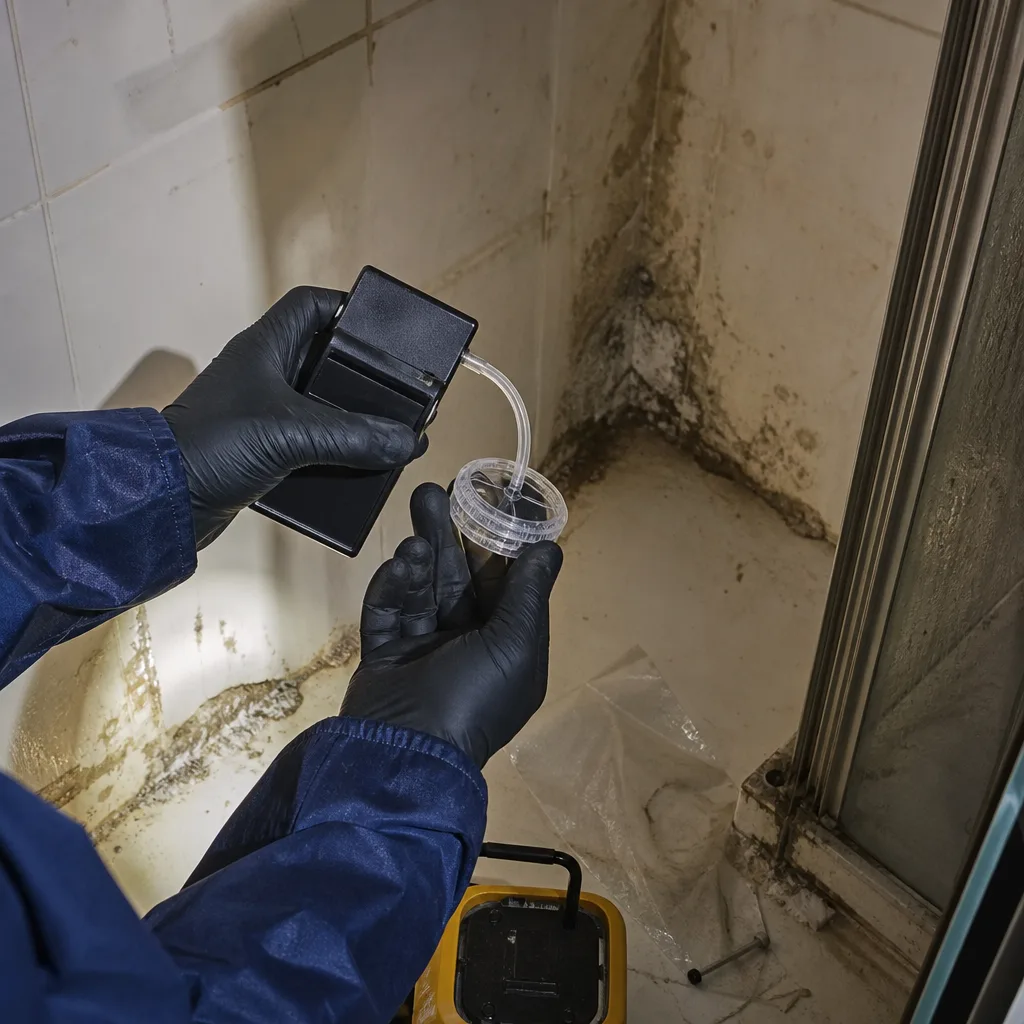
West Palm Beach’s “dry season” - December through April, with average rainfall below 3 inches monthly - is when we see a distinct category of moisture damage: HVAC-driven indoor humidity problems.
The mechanism is counterintuitive. Outdoor relative humidity drops to 55-65%. Homeowners reduce HVAC runtime or switch to heating mode (heat strips or heat pumps). Interior humidity, previously controlled by constant air conditioning, rises. Meanwhile, the building envelope contains residual moisture from rainy season that continues to evaporate into interior air.
The result: condensation on cool surfaces (windows, exterior wall interiors, ductwork in unconditioned spaces), and localized humidity pockets in bathrooms, kitchens, and laundry rooms where daily use adds moisture the reduced HVAC cannot remove.
Specific West Palm Beach patterns we document in dry season:
- Closet and cabinet mold on north walls: Reduced airflow + residual envelope moisture + cooler surface temperature = ideal conditions for surface mold on painted gypsum. The homeowner discovers it in February when retrieving seasonal items.
- Attic mold from heat-strip operation: Heat strips in air handlers produce localized high temperatures that drive moisture upward through ceiling penetrations. Attic ventilation designed for cooling-season airflow may be inadequate for this reverse stack effect.
- Crawl space and raised-floor moisture: West Palm Beach’s pre-1970 construction includes many homes with raised floors on piers. Dry-season evaporation from sandy soils raises humidity under the floor; reduced HVAC runtime means less dehumidification of interior air that exchanges with crawl space through floor penetrations.
- Window condensation damage to sills and trim: Modern low-E windows reduce heat transfer but can produce more condensation on the interior glass surface when interior humidity is poorly controlled. Repeated wetting of wood sills produces rot that appears “suddenly” when the trim is disturbed.
Our dry-season recommendation: maintain interior humidity at 45-55% RH using standalone dehumidifiers if the HVAC cannot achieve this range. Monitor with calibrated hygrometers in multiple rooms, not just the thermostat location. And inspect quarterly in low-airflow spaces - closets, behind furniture on exterior walls, under-sink cabinets - with a flashlight and your nose. Musty odor precedes visible mold by weeks to months.
The documentation habit continues: log your readings, photograph any changes, and compare year-over-year. A homeowner with three years of humidity logs can demonstrate to an insurer that a February mold discovery was not “long-term neglect” but a seasonal pattern that previous dry seasons didn’t produce - evidence that supports coverage for the underlying cause, not just the symptom.
Building Envelope Failures: How Rainy Season and Hurricane Season Break Different Things
Understanding the mechanical difference between rainy-season and hurricane-season damage lets you inspect specifically rather than generically. Here’s how the same building components fail under each regime:
| Component | Rainy Season Failure Mode | Hurricane Season Failure Mode |
|---|---|---|
| Soffit vents | Gradual water ingestion from sustained light wind; moisture wicks into rafter tails and insulation | Blowout from pressure differential; panels detach completely, exposing attic to direct rainfall |
| Ridge caps | Sealant degradation from thermal cycling and UV; slow separation allows intermittent leakage | Uplift force from sustained wind; cap lifts or rolls, creating immediate high-volume intrusion |
| French drains | Soil saturation exceeds percolation rate; system backs up, water tables rise against foundation | Debris blockage from storm intensity; localized flooding overwhelms intake capacity |
| Window seals | Adhesive fatigue from thermal expansion; slow breach allows humidity infiltration, not liquid water | Pressure cycling from gusts; frame flex breaks sealant adhesion, wind-driven rain penetrates |
| Roof decking | Moisture accumulation to 25-30% MC from chronic minor leakage; delamination and nail pop | Immediate saturation from breached cover; structural loading from water weight plus wind uplift |
The inspection implication: in July, you’re looking for subtle signs - slight discoloration, soft spots, humidity elevation. In September, you’re looking for structural compromise - lifted edges, detached components, visible openings. The same roof requires two different inspection protocols.
In West Palm Beach’s coastal neighborhoods - Sloan’s Curve, Palm Beach Shores, parts of El Cid - salt air accelerates both failure modes. Galvanized fasteners in soffit vents and ridge caps corrode faster, reducing the wind load at which failure occurs. We document fastener corrosion grade (surface, pitting, or section loss) in our photo records because it establishes whether a hurricane-season failure was truly “sudden” or the culmination of a maintenance deficit that coverage may not extend to.
The Documentation System That Turns Claims Into Paid Invoices
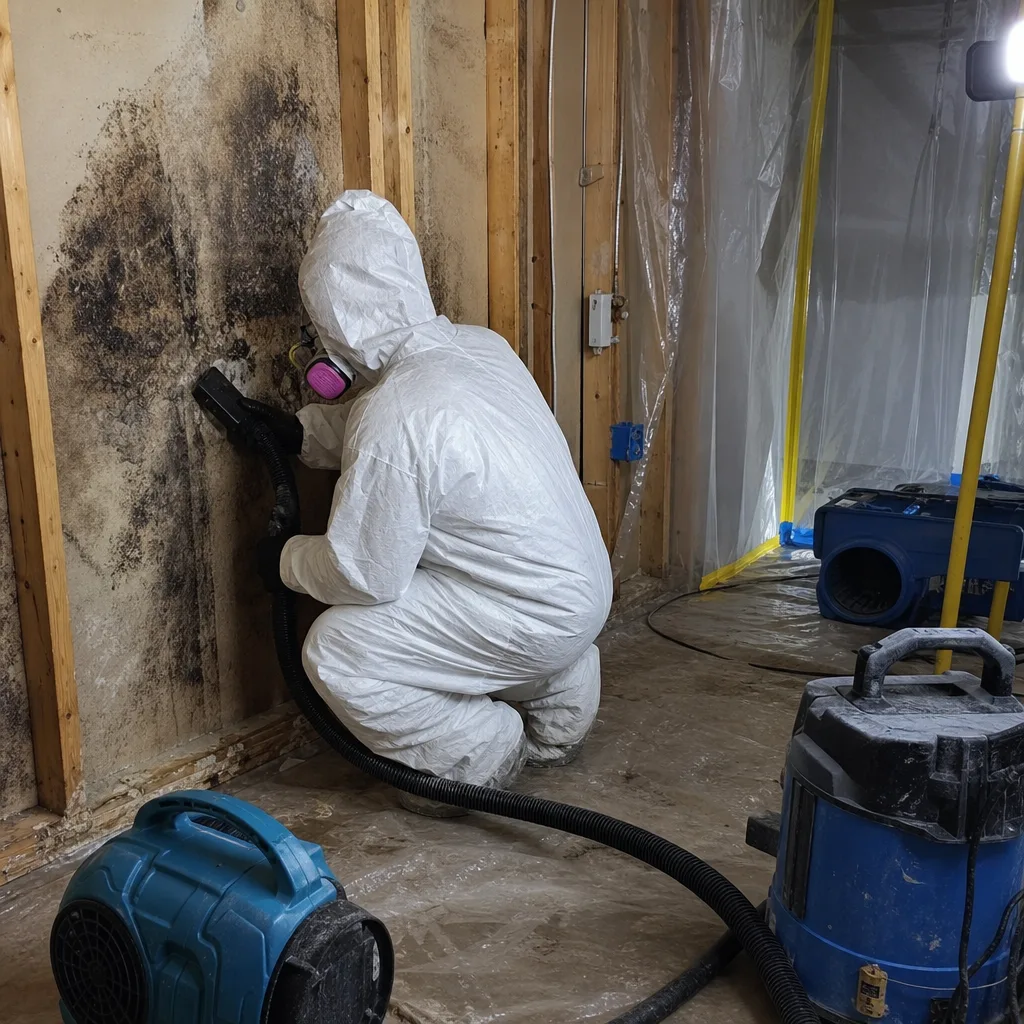
Everything in this guide converges on one practice: systematic documentation. Not because we enjoy paperwork, but because we’ve seen what its absence costs homeowners.
Our founder built Back to Dry Restoration in 2011 after working as a claims adjuster. The documentation gap - the missing photos, the verbal scope agreements, the drying logs that never existed - was the single largest source of claim denial and homeowner financial distress. The Haven Standard was designed to close that gap with specific, auditable practices.
Here’s the documentation system we implement on every West Palm Beach job, and recommend homeowners adopt for their own property management:
- Baseline condition record (May): dated photos, humidity readings, and moisture meter readings for all accessible building components. Stored in cloud backup with local redundancy.
- Event documentation (any damage occurrence): timestamped photos before any mitigation, written narrative of conditions and timeline, and preservation of all weather data (NHC advisories, local reporting).
- Written scope before work begins (Haven Standard, Clause 1): itemized line-item pricing for each phase - mitigation, drying, demolition, reconstruction - with material specifications and labor hours estimated. No additions without written change order.
- Photo record on every visit: technician-named, dated, with moisture readings visible in frame. Delivered to homeowner as standard, not upsell.
- Daily drying log with psychrometric data: temperature, relative humidity, and vapor pressure differential at multiple points, plus moisture content readings for affected materials. This is the evidence that drying was completed to IICRC S500 standards, not guessed.
- Final documentation package: before/after photos, completed drying log, moisture clearance readings, and signed 365-Day Done Right Promise under The Haven Standard.
The practical result: when an insurer questions whether mold remediation was necessary, we produce the photo record showing colony extent, the moisture readings establishing elevated humidity source, and the written scope with material classifications. When an insurer suggests a lower settlement, we produce the drying log demonstrating that proposed lesser scope would not achieve IICRC standards. The invoice gets paid because the documentation doesn’t permit reasonable challenge.
Our equipment - Injectidry cavity drying systems, Phoenix and Dri-Eaz dehumidifiers, XPOWER and B-Air air movers - produces the conditions that the drying log records. The equipment brand matters for performance; the documentation matters for payment. Both are standard on every DryMark Restoration West Palm Beach job.
Common Mistakes to Avoid
- Waiting for visible damage before acting. By the time water stains appear on West Palm Beach ceilings, the underlying structure has been compromised for weeks or months. Monthly attic checks with a flashlight cost nothing; ceiling replacement costs thousands.
- Confusing hurricane prep with rainy-season maintenance. Shutters and generator fuel don’t address the French drain that’s been backing up since July. These are parallel systems, not substitutes.
- Trusting “dry feel” over meter readings. Gypsum can feel dry at 18% moisture content while still supporting active mold growth. A $30 pinless moisture meter removes this uncertainty.
- Signing emergency service authorizations without itemized scopes. We’ve reviewed West Palm Beach competitor estimates where “emergency services” comprised 60% of the invoice with no breakdown. Haven Standard, Clause 1 exists to prevent this.
- Neglecting post-rainy-season inspection because “the weather is nice now.” November-December is when hidden moisture reveals itself - or hides until spring. This is the inspection window that saves the most money.
- Assuming new construction is immune. West Palm Beach’s building boom has produced homes with envelope failures in the first rainy season, typically from improper flashing at roof-wall intersections or missing housewrap details. Age is not protection; installation quality is.
- DIY mold removal without containment assessment. Disturbing a colony of more than 10 square feet without negative air pressure and HEPA filtration spreads spores through the HVAC system, turning a localized problem into a whole-house contamination. This is genuinely dangerous work - the spore concentration in disturbed mold can trigger acute respiratory response.
When to Call a Professional
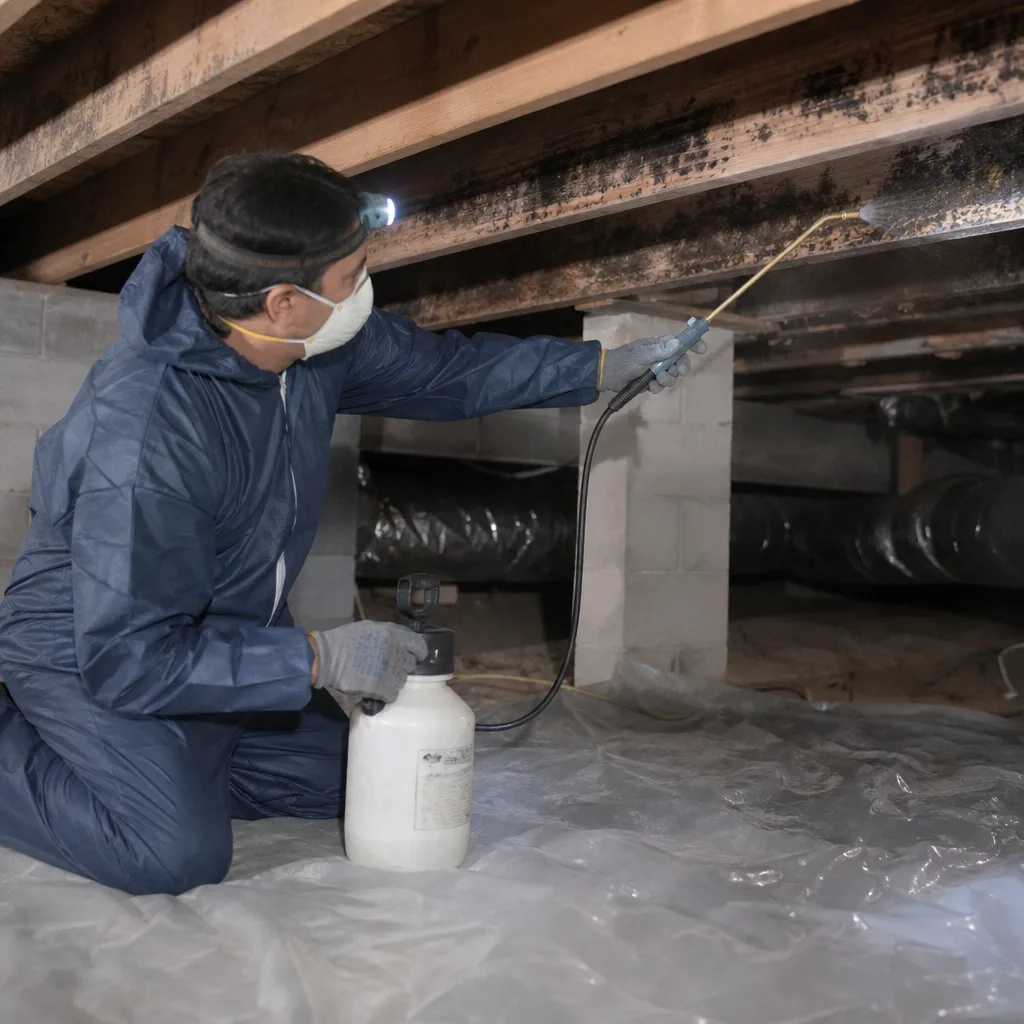
Call for professional assessment when: moisture meter readings exceed 16% in wood framing or 0.5% in gypsum; you detect musty odor without visible source; your attic humidity exceeds 65% RH with HVAC running; any mold growth covers more than 10 square feet; or you’ve experienced water intrusion and need documentation for insurance purposes.
DryMark Restoration West Palm Beach offers free estimates in West Palm Beach - call (561) 290-5060. Every estimate includes a written scope before any work begins, with photo documentation of findings and a Free Second Opinion if you have a competitor’s estimate to compare. Our live phone coverage means no voicemail trees: a person answers, 24 hours a day, 7 days a week.
For emergency water damage, our West Palm Beach water damage restoration team responds with documented assessment, immediate moisture mapping, and the drying log that your insurer will need. For fire and smoke damage, we coordinate directly with your adjuster on scope and documentation requirements. Every job carries the 365-Day Done Right Promise under The Haven Standard - if it’s not done right, we make it right, in writing, not as a verbal assurance.
Frequently Asked Questions
Professional moisture mapping and inspection for a typical West Palm Beach single-family home ranges from $150-$400, depending on square footage and accessibility. DryMark Restoration West Palm Beach provides free estimates that include baseline moisture readings and photo documentation - call (561) 290-5060 to schedule.
Coverage depends on documentation proving when the damage began and whether it was hidden from reasonable discovery. A May baseline photo record showing no pre-existing damage, combined with moisture logs tracing the progression, significantly strengthens your position. Without documentation, insurers frequently invoke “long-term damage” exclusions. Call (561) 290-5060 - we can review your policy language and existing documentation at no charge.
Our live dispatch operates 24 hours a day, 7 days a week with no voicemail. Response time depends on storm severity and road conditions, but we prioritize documented emergency calls - those with initial photo evidence and written scope request - over verbal inquiries. For active water intrusion, same-day assessment is standard when roads are passable. Call (561) 290-5060 for current availability.
If the affected area is under 10 square feet, the moisture source is identified and permanently resolved, and the material is non-porous (tile, metal, sealed wood), cleaning with appropriate biocide may suffice. If the area exceeds 10 square feet, involves porous material (gypsum, insulation, carpet), or the moisture source remains active, IICRC S520 requires professional remediation with containment and negative air pressure. We provide Free Second Opinions on any competitor’s written scope if you’re uncertain.
We coordinate directly with your adjuster on documentation requirements, scope approvals, and billing protocols. Our daily drying logs, photo records, and written scopes are formatted for direct submission. Haven Standard, Clause 1 - written price before work begins - prevents the scope disputes that delay payment. You remain the policyholder and decision-maker; we handle the technical documentation that supports your claim.
Photograph roof condition, attic state, interior humidity readings, and foundation drainage performance in May. Date-stamp everything and store in cloud backup. These establish pre-storm condition for any June-November claim. A written maintenance record of any repairs performed also supports coverage by demonstrating due diligence. We provide baseline documentation as a standalone service - call (561) 290-5060 for pricing.
The Bottom Line
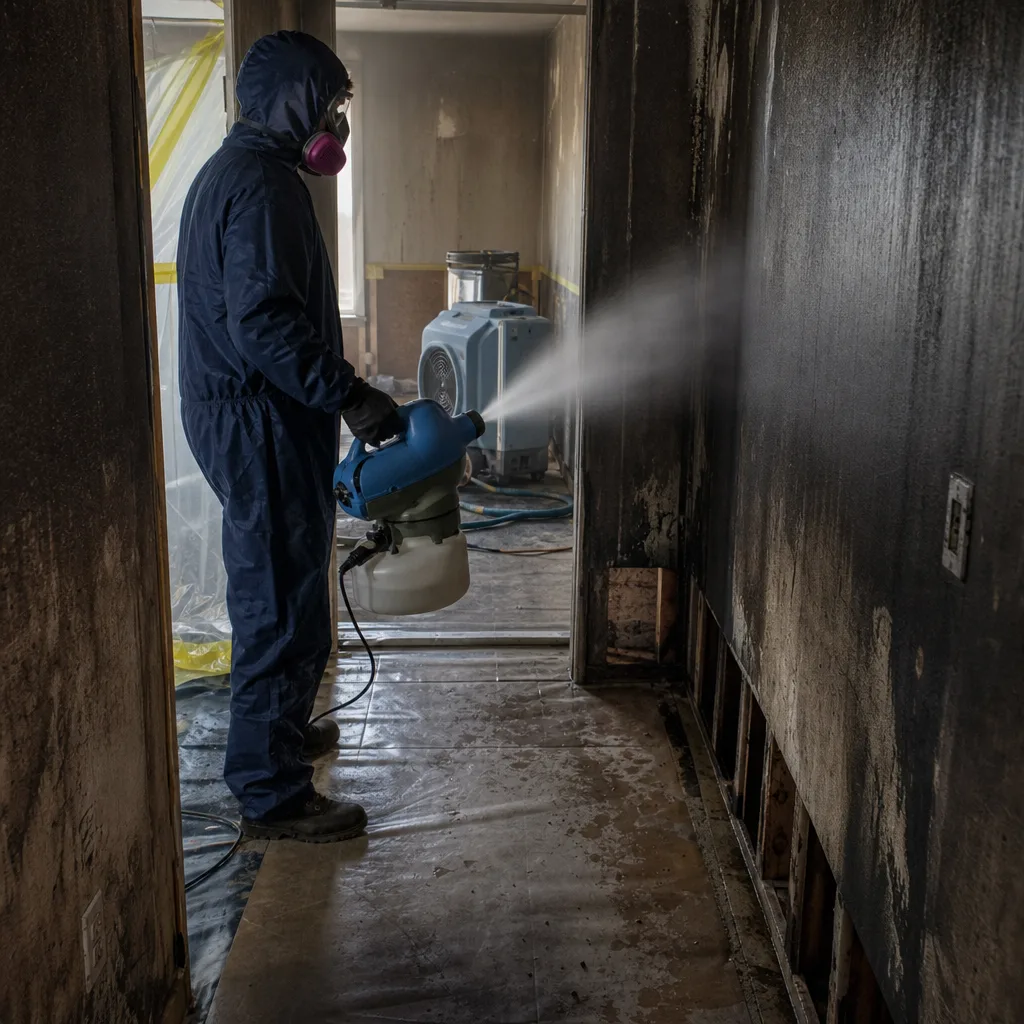
West Palm Beach’s damage calendar doesn’t follow the four-season template. Two overlapping cycles - rainy season’s sustained humidity and hurricane season’s acute wind-driven intrusion - govern your property’s risk profile, with their most dangerous intersection in August through October. Protection requires May baseline documentation, disciplined inspection through the overlap months, and critical post-rainy-season assessment in November-December before dry season masks problems. The homeowners who fare best are not the most anxious or the most heavily insured. They’re the most documented: dated photos, meter readings, written scopes, and drying logs that turn restoration invoices into paid claims. The Haven Standard was built on this practice, and it’s available to every West Palm Beach property we serve.
Written by Alicia Brennan, Owner at DryMark Restoration West Palm Beach, serving West Palm Beach since 2011.