

Free visual inspection and a written scope of work before any mitigation begins - photos, moisture readings, and drying logs go in your claim file
The scope we write is the scope we bill. Anything new gets shown to you, in writing, before we touch it.
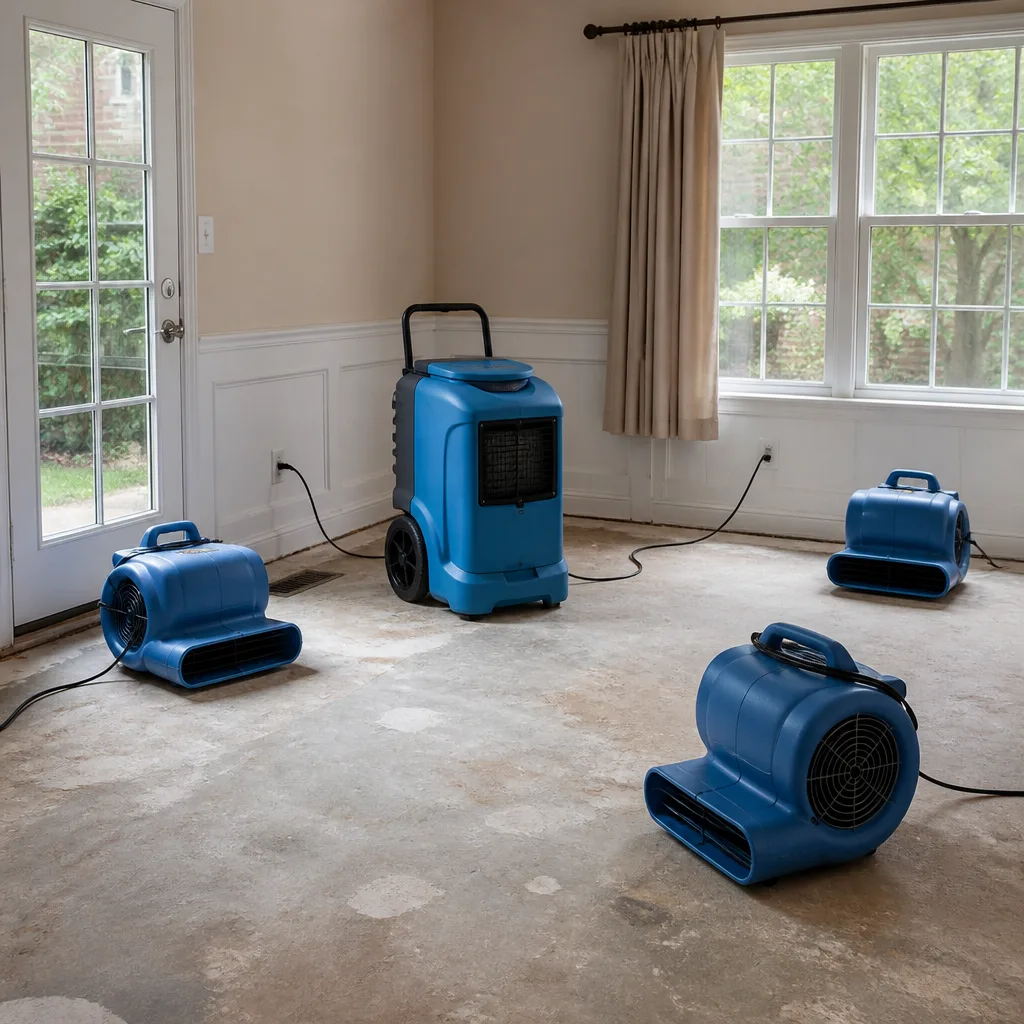
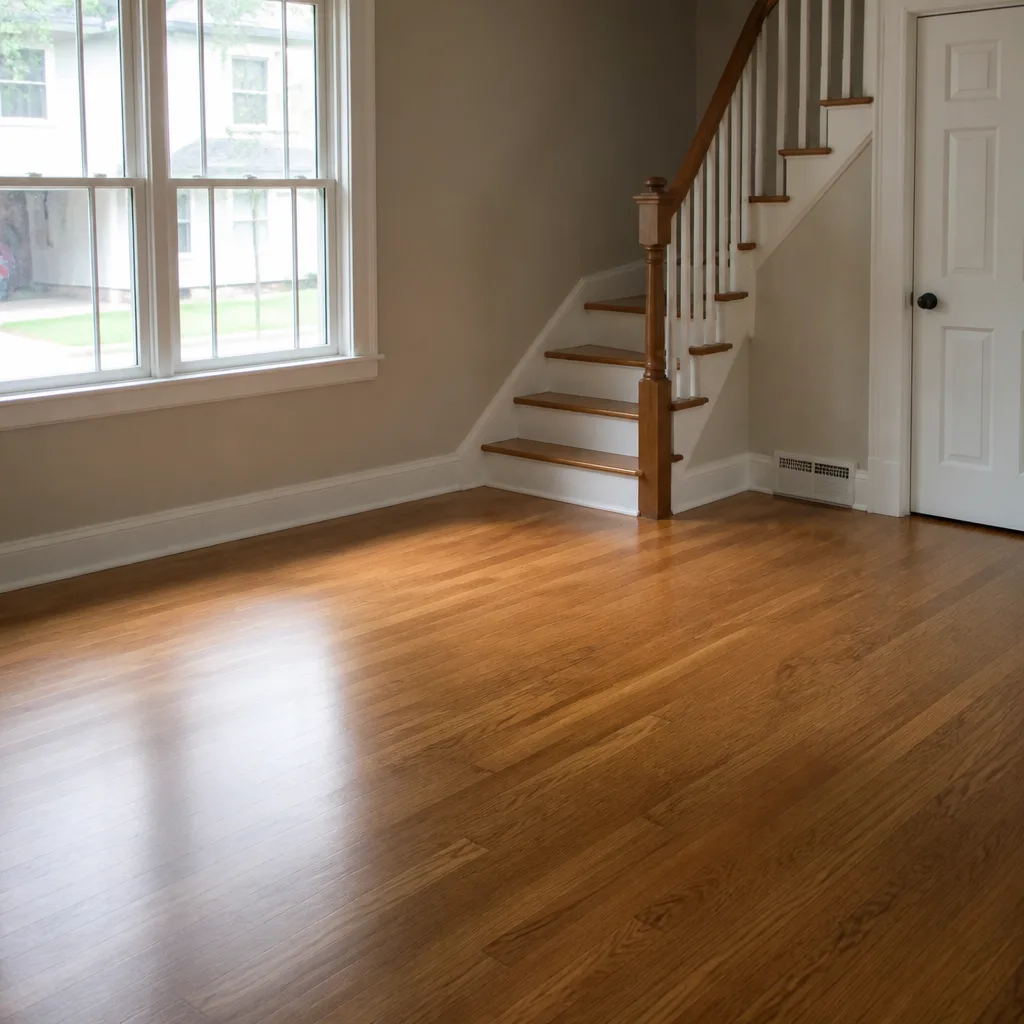
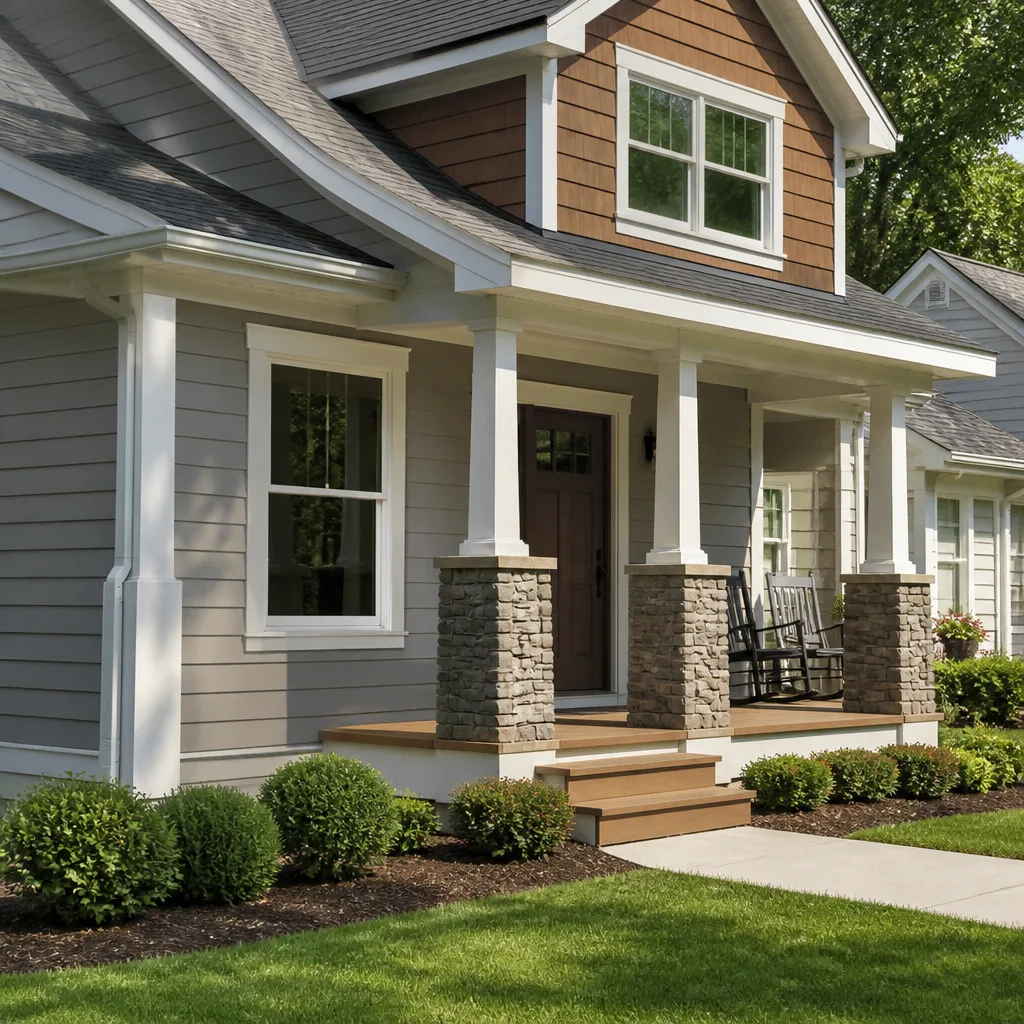
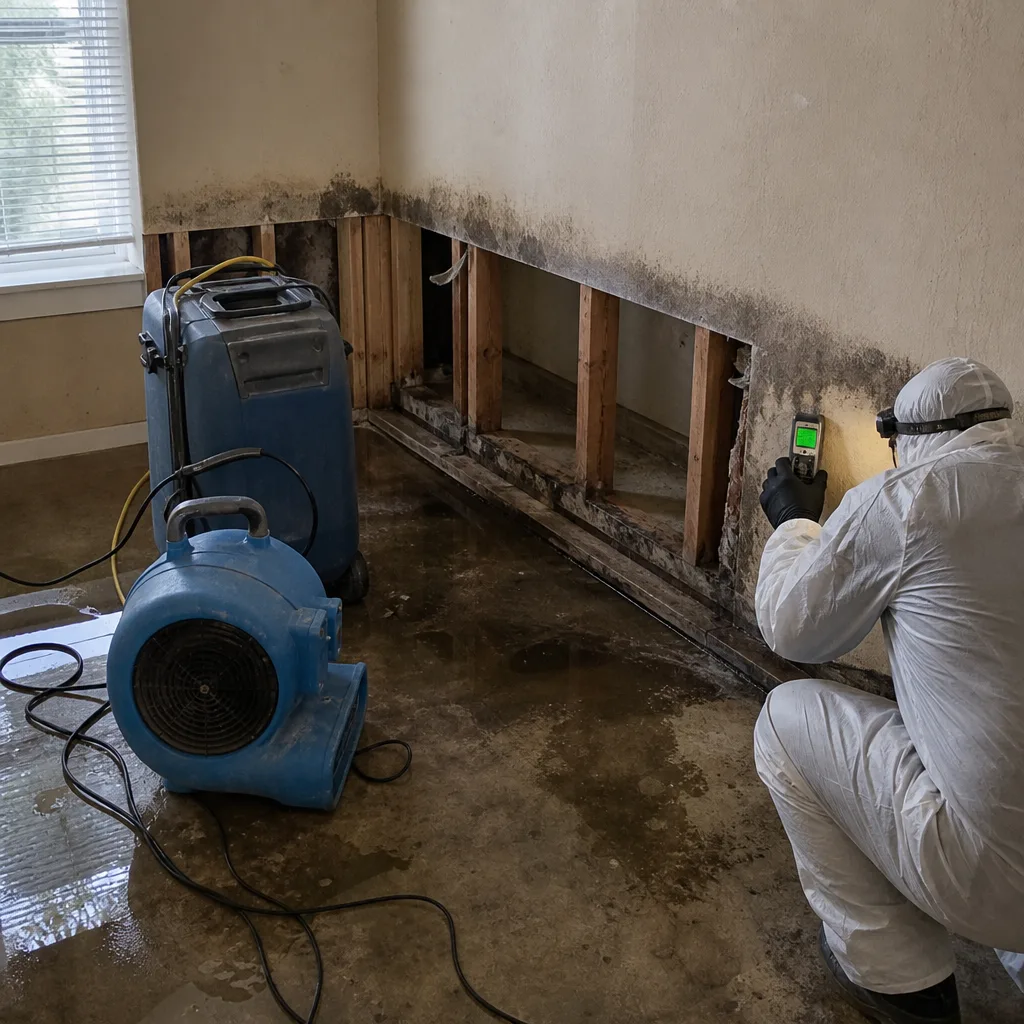 Before
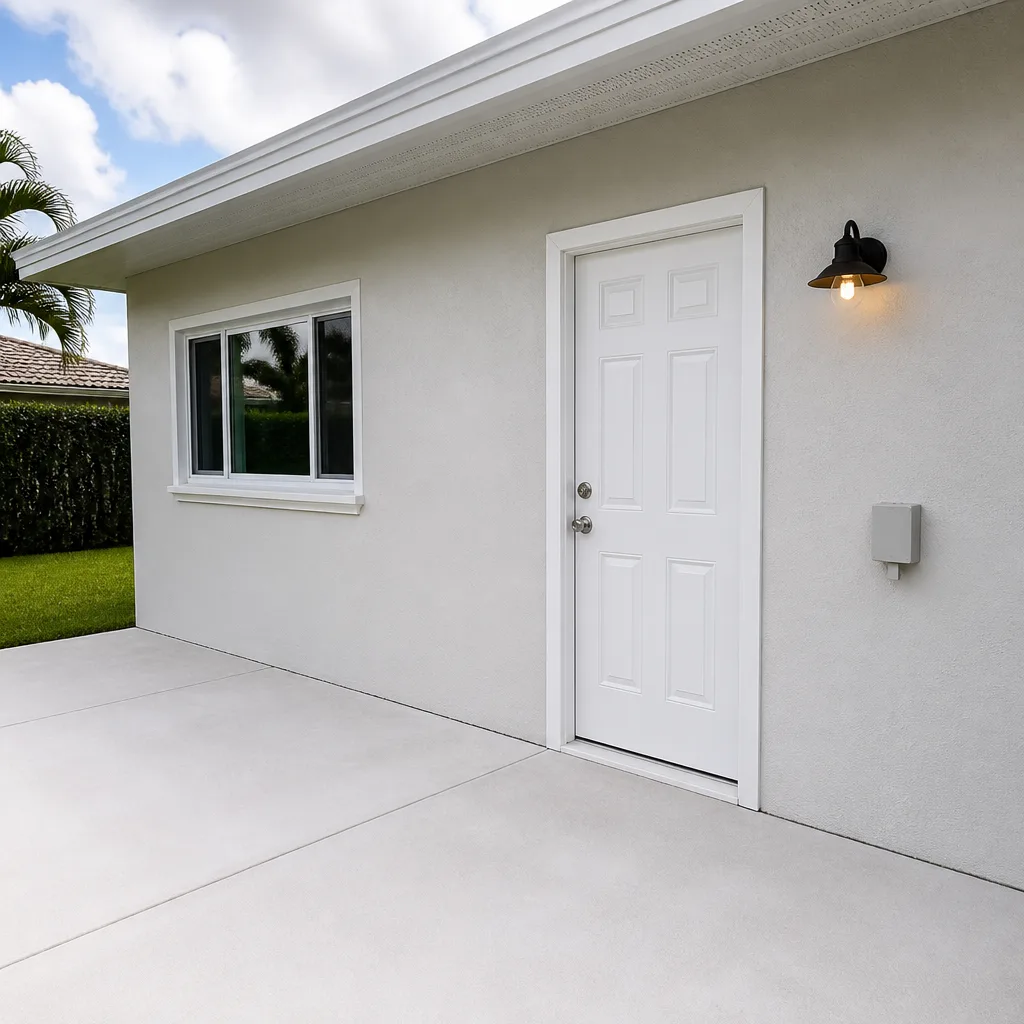 After
After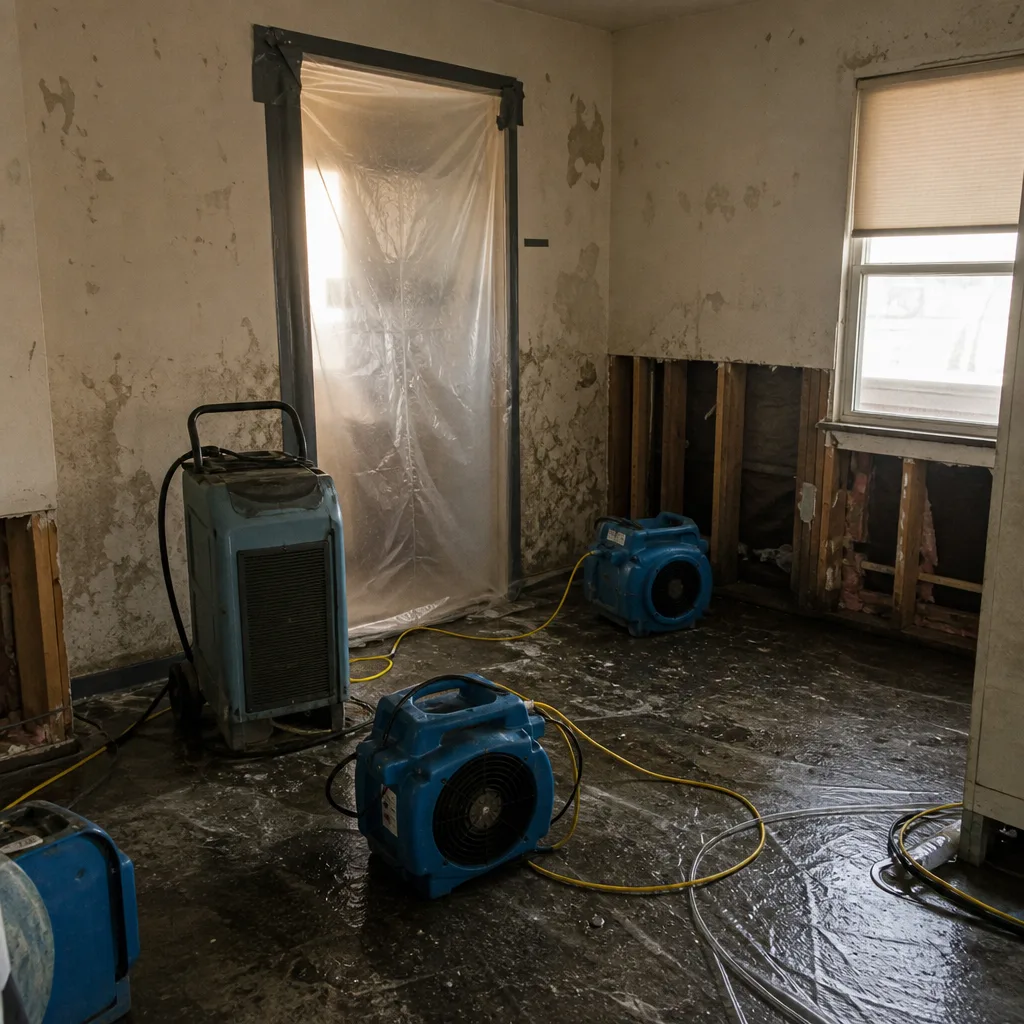 Before
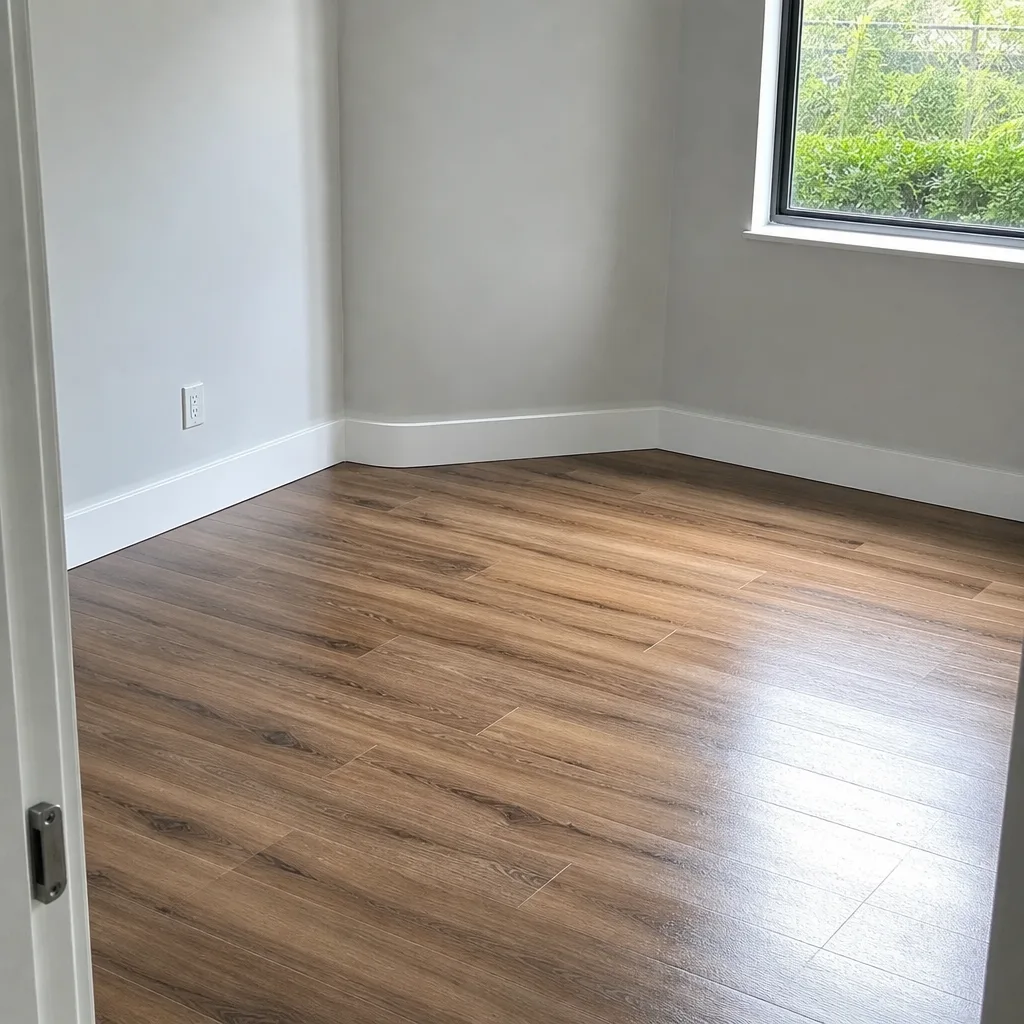 After
After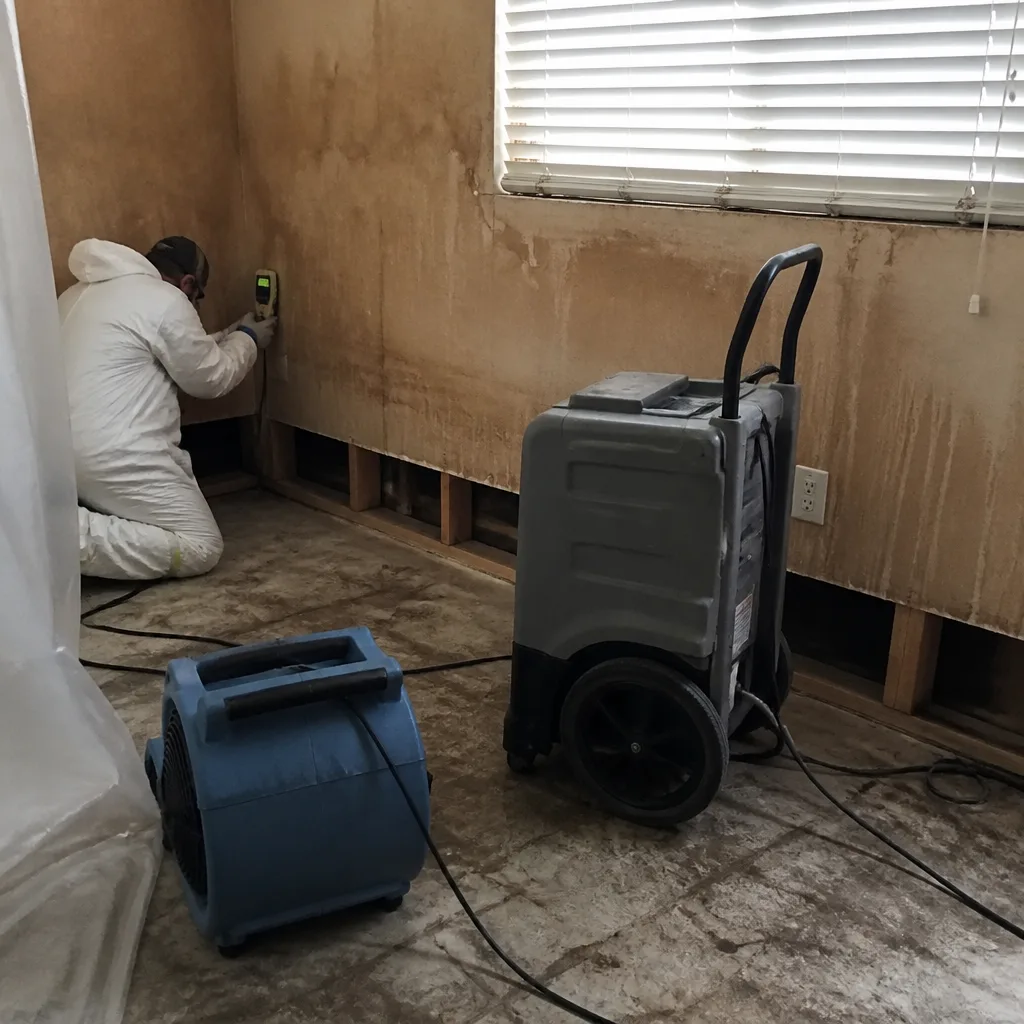 Before
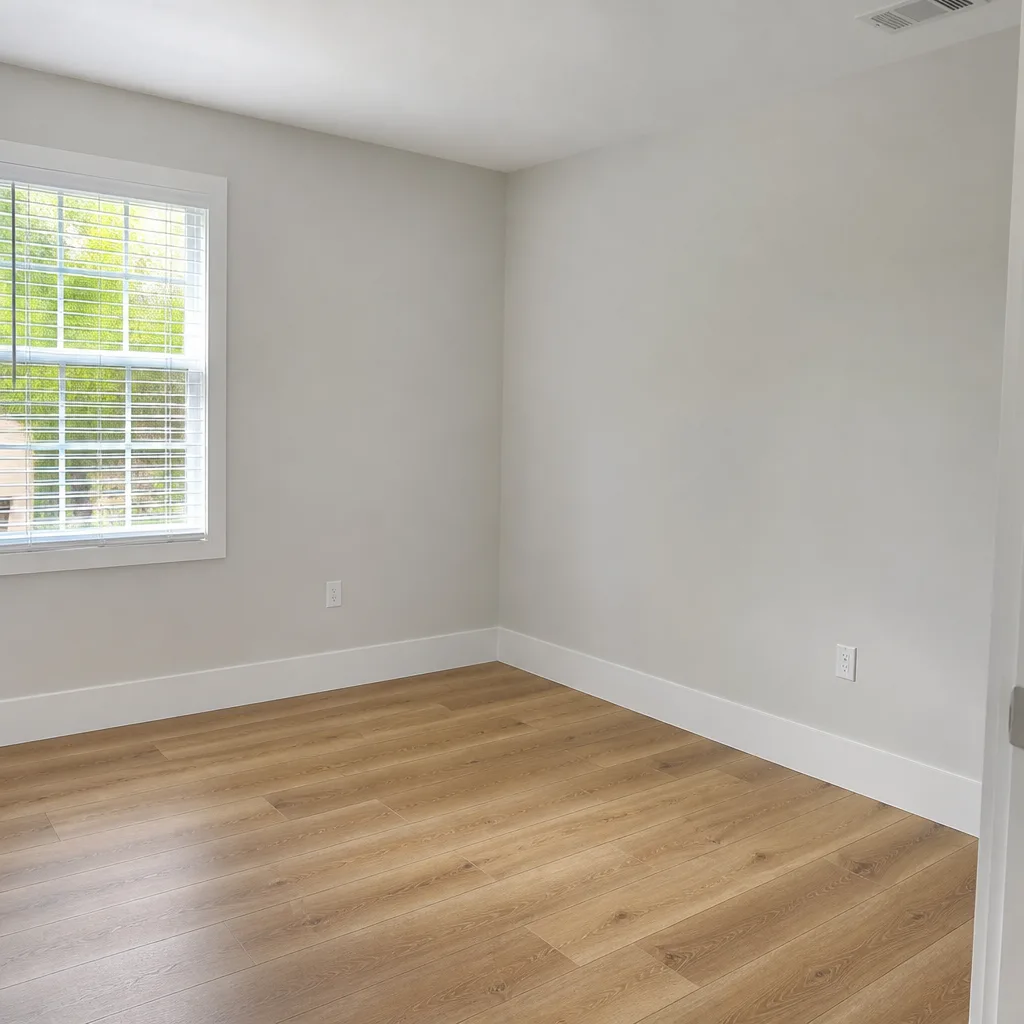 After
After24/7 Emergency Water Damage Restoration in Wellington
Water damage restoration in Wellington typically costs $2,800-$7,500 for residential mitigation and is usually started within 45 minutes of your call. Call (561) 290-5060 now - we answer live, 24 hours a day, with no voicemail trees or next-day callbacks while water is still moving through your property.
Our crews are dispatched from our South Florida coordination office and are already working in Wellington and surrounding Palm Beach County communities. The first hour determines whether a water loss stays a cleanup job or becomes a full reconstruction project. Standing water wicks upward through drywall at a rate of one inch per hour, and Wellington’s ambient summer humidity above 80% means mold saturation thresholds arrive in 24-48 hours, not days. We provide a free visual inspection, a written price before any work starts, and photo-documented assessments from the moment we arrive.
Understanding Water Damage Restoration Severity in Wellington Properties
Restoration professionals classify water damage by category and class. Category 1 is clean water from a broken supply line; Category 2 is gray water with contaminants from washing machines or sump failures; Category 3 is black water from sewage backup or ground flooding, requiring full antimicrobial treatment and disposal of porous materials. Class 1 affects minimal wet materials; Class 4 involves deep saturation in low-permeance materials like plaster, hardwood, or concrete - common in Wellington’s slab-on-grade CBS construction.
Wellington’s housing stock presents specific challenges. The General Development Corporation buildout from the mid-1970s to mid-2000s produced thousands of concrete block and stucco homes now 30-50 years old, many with aging flat or low-slope tile roofs vulnerable to wind uplift. When South Florida’s convective storms or tropical systems overwhelm the engineered canal network, these roofs leak at seams and fasteners, and water migrates through slab foundations with little resistance from the shallow water table. Moisture mapping with thermal imaging and penetrating hygrometers is essential - surface dryness means nothing when vapor pressure differential is driving hidden moisture into wall cavities.
Why Wellington Property Owners Choose DryMark Restoration West Palm Beach
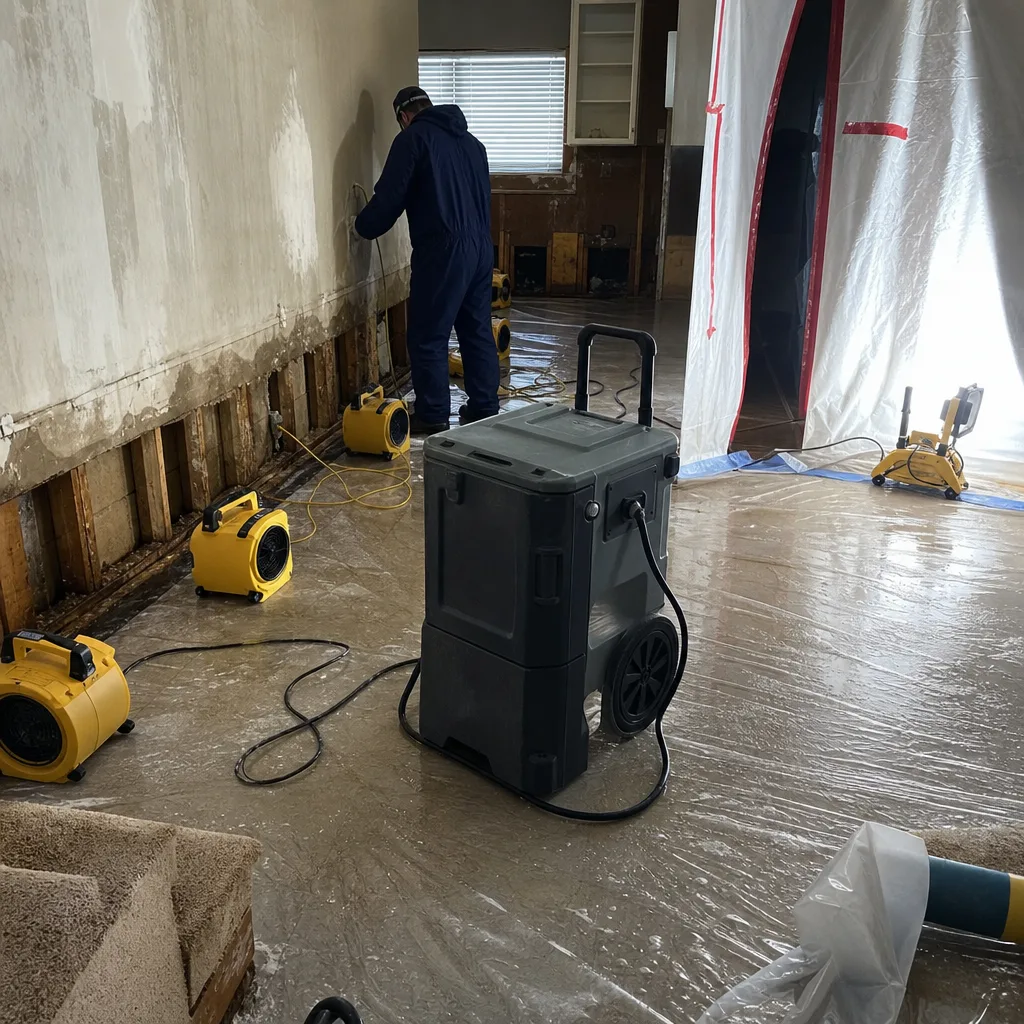
- 45-minute response commitment to Wellington properties - our crews are already in Palm Beach County and route directly to your address.
- 24/7 live answer by a real person, never an automated system; emergency lines have no voicemail trees.
- IICRC-certified crews holding WRT (Water Damage Restoration Technician) and ASD (Applied Structural Drying) certifications, with documented training to RIA and IFA standards.
- Free visual inspection with a written scope and price before any work begins - Haven Standard, Clause 1.
- Direct insurance billing with photo-documented estimates and daily drying logs that adjusters pay without dispute.
- One team from extraction through reconstruction - no handoffs between mitigation and rebuild contractors.
 Before
 After
AfterOur Water Damage Restoration Process
Inspection & Assessment
We arrive with moisture meters, thermal imaging cameras, and hygrometers to map the full extent of water migration. In Wellington’s CBS homes, we pay special attention to slab perimeter saturation and wind-driven roof leaks that travel laterally through attics before showing on ceilings.
Water Extraction & Stabilization
Truck-mounted extraction units remove standing water; weighted extraction tools pull moisture from carpet pad and subfloor. For large equestrian structures, we deploy multiple high-capacity units simultaneously to prevent leather goods and stall framing from reaching critical moisture content.
Structural Drying & Dehumidification
We establish a drying chamber using Dri-Eaz and Phoenix LGR dehumidifiers, B-Air air movers, and Injectidry cavity-drying systems for wall voids. Psychrometric data - temperature, relative humidity, and vapor pressure - is logged every 24 hours to prove drying progress to your insurer.
Cleaning & Sanitization
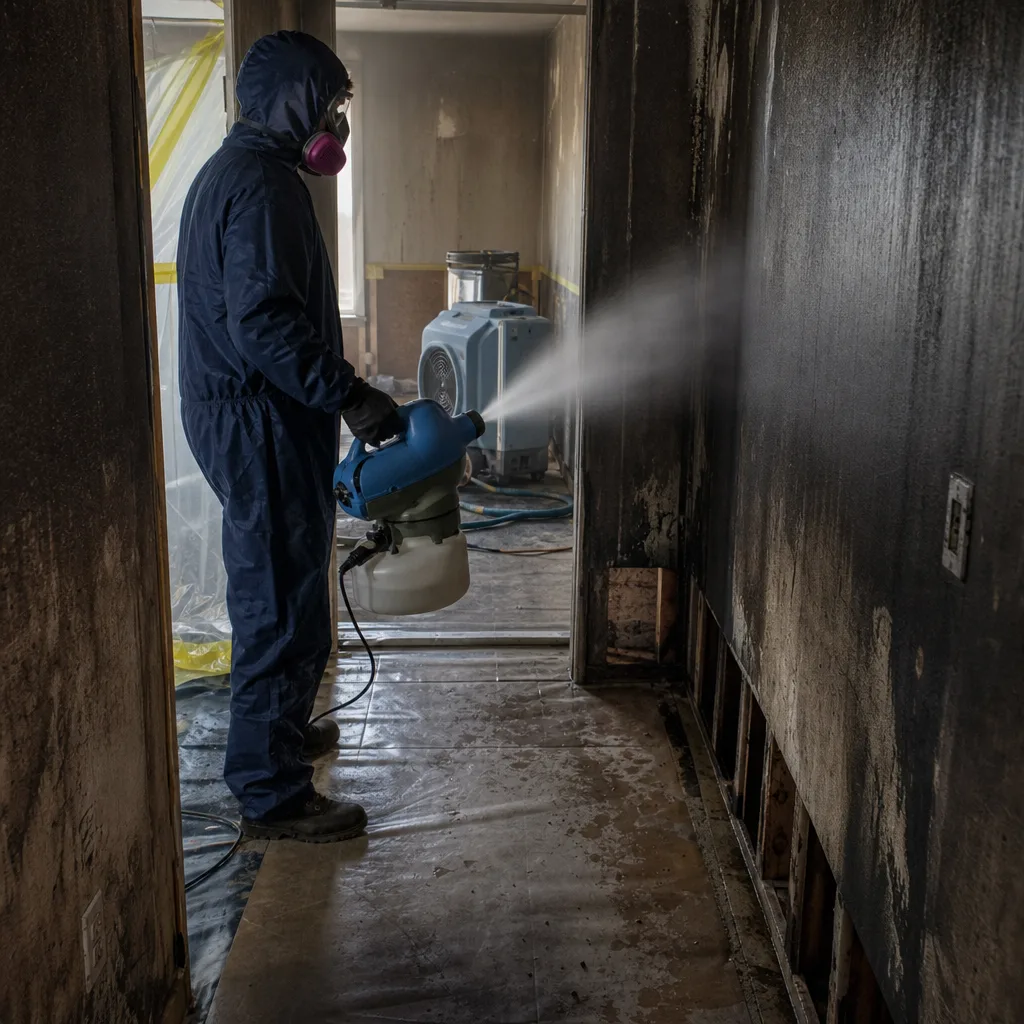
Category 2 and 3 losses receive antimicrobial treatment to non-salvageable surfaces; HEPA air scrubbers run continuously during work to capture airborne particulates. We document all treated areas with dated photos.
Large-Structure & Equestrian Specialty Drying
Wellington’s covered riding arenas, tack rooms, and climate-controlled barn aisles require commercial-scale desiccant dehumidification and positive-pressure drying systems. We calculate air changes per hour for spaces exceeding 40,000 square feet and protect high-value contents with contained drying zones.
Repairs & Restoration
Once moisture readings confirm materials have returned to dry standard, our reconstruction team replaces drywall, flooring, and finish materials. A written scope governs all work; the 365-Day Done Right Promise applies to every repair.
Need Emergency Water Damage Restoration in Wellington Now?
Crews minutes away, answering live 24 hours a day. The sooner we start, the less it costs.
Working With Your Insurance Company
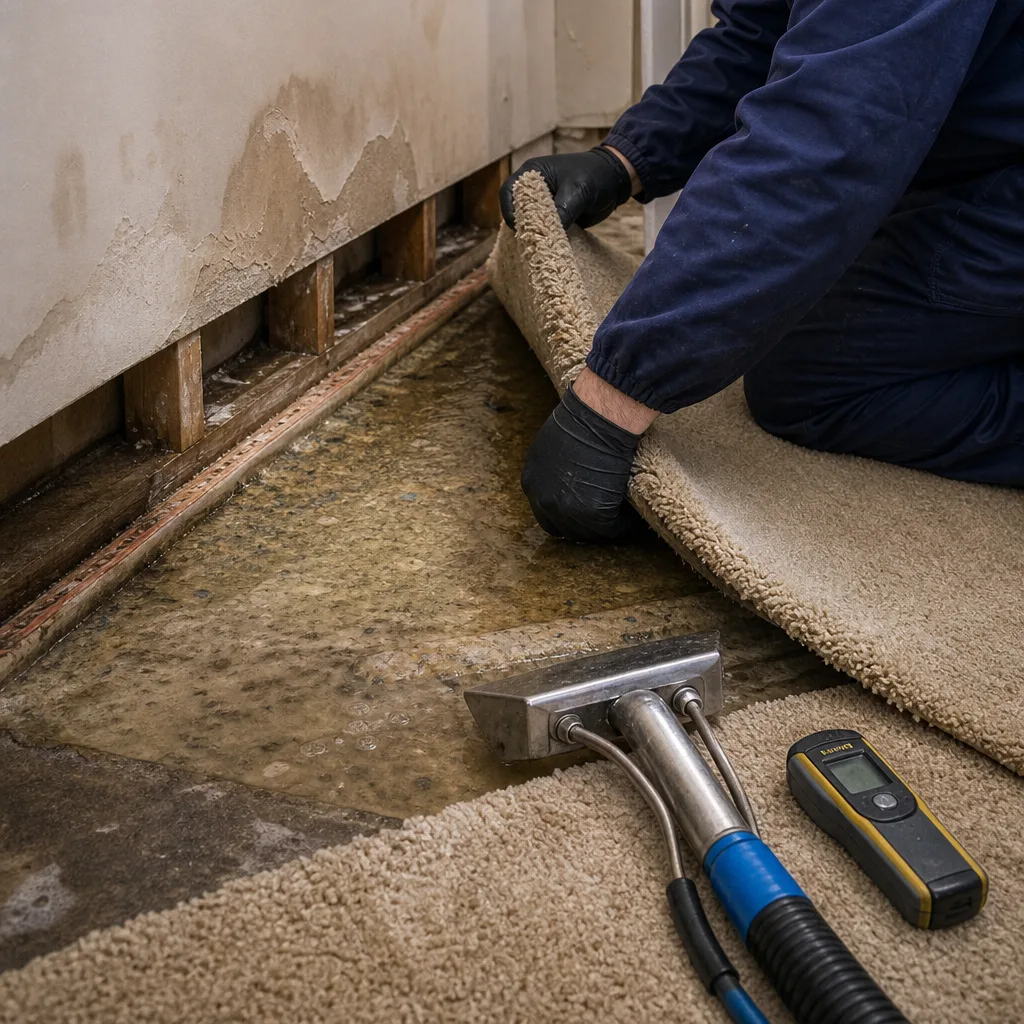
We document every loss from the first hour because we know what adjusters need to approve payment. Our estimates follow industry-standard Xactimate pricing; our photo records show pre-loss condition, damage extent, and post-mitigation dryness with moisture readings attached to each image. We speak directly with your adjuster, provide line-item scopes, and resolve disputes with evidence rather than argument.
Our founder built this company after seeing how sloppy documentation costs homeowners their claims. That origin still governs our process.
What We Provide Your Insurer
- Thorough documentation of the loss
- Photos of all damage, room by room
- Moisture readings and drying logs
- A detailed, line-item scope of work
- Direct coordination with your carrier
Built for Wellington’s Loss Calendar
January through April brings the Winter Equestrian Festival, when Wellington’s population swells and barns see heavy use. May and June mark the transition to summer convective storm season - afternoon thunderstorms with 2-4 inches of rain in hours, overwhelming drainage canals and flooding properties near the western edge of the village. July through October is peak hurricane season, compounded by a unique vulnerability: many estate owners follow the horse-show circuit north after April, leaving sprawling equestrian properties unoccupied through the most dangerous storm months.
We frequently encounter catastrophic secondary damage in these unmonitored barns. A small roof leak from a June thunderstorm sits undetected for weeks; by September, mold colonization has spread through stall framing, tack rooms have developed toxic fungal growth on leather goods, and ceiling assemblies have collapsed from chronic saturation. November and December bring dry season relief, but insurance claim deadlines from summer losses often arrive just as property managers return to find months-old damage.
Water Damage Restoration Across Wellington’s Neighborhoods
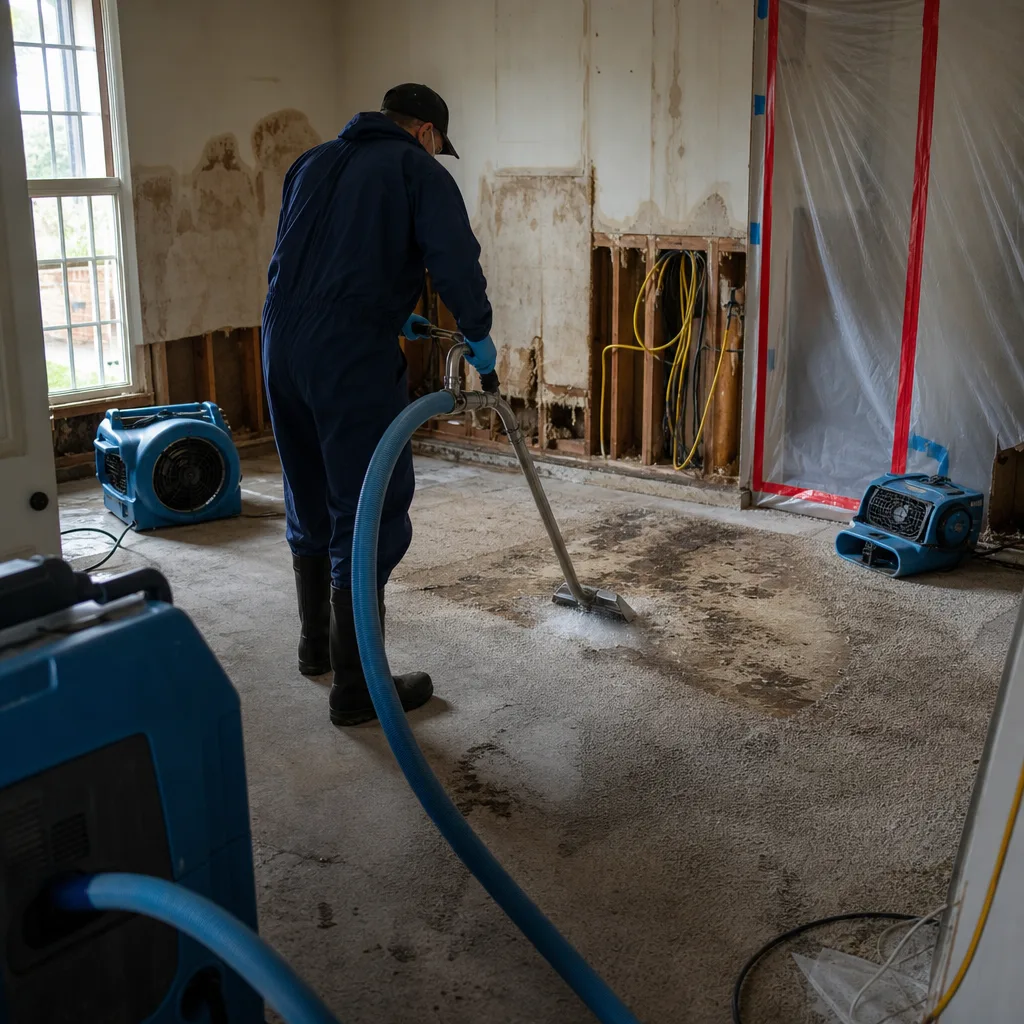
Our Water Damage Restoration team responds throughout Wellington’s distinct districts, each with its own loss patterns.
Paddock Park and Paddock Park 2 contain dense equestrian communities where our crews navigate narrow private roads to reach 12-stall barns and covered arenas. The salt-air exposure here corrodes metal roofing fasteners faster than inland, and we’ve replaced entire arena roof sections after wind uplift peeled back panels during tropical storms.
Greenview Shores and the VillageWalk corridor feature the mid-1980s to late-1990s CBS homes built during General Development Corporation’s peak buildout. These properties show predictable failure modes: original polybutylene supply lines degrading at connections, flat tile roofs with deteriorated underlayment, and slab moisture migration that presents as efflorescence on interior baseboards.
Wellington’s western edge, near the Loxahatchee Groves boundary, sits lowest in the canal system and floods first when pumps fail or debris blocks drainage. Groundwater intrusion through slab edges is common here; standard drying protocols fail without sub-slab depressurization or perimeter drainage assessment.
Old Wellington, the original settlement area along Forest Hill Boulevard, has the village’s oldest housing stock - some structures predating the planned community era. These homes often have unconditioned crawl spaces and original galvanized plumbing, creating compound water and corrosion issues that require careful moisture mapping to distinguish active leaks from historical damage.
Specialized Water Damage Restoration Services We Offer in Wellington
Emergency Water Extraction
Standing water is removed within hours of your call using truck-mounted and portable extraction equipment. In Wellington’s equestrian facilities, we prioritize tack rooms and feed storage areas where organic materials deteriorate fastest, and we document contents condition for insurance valuation before moving anything.
Structural Drying & Dehumidification
We deploy LGR dehumidifiers and air movers sized to the cubic footage of your structure, with Injectidry systems for wall cavity drying. For Wellington’s large barns and covered arenas, we calculate vapor pressure differential across the full envelope and may run desiccant units to achieve drying goals in high-humidity conditions.
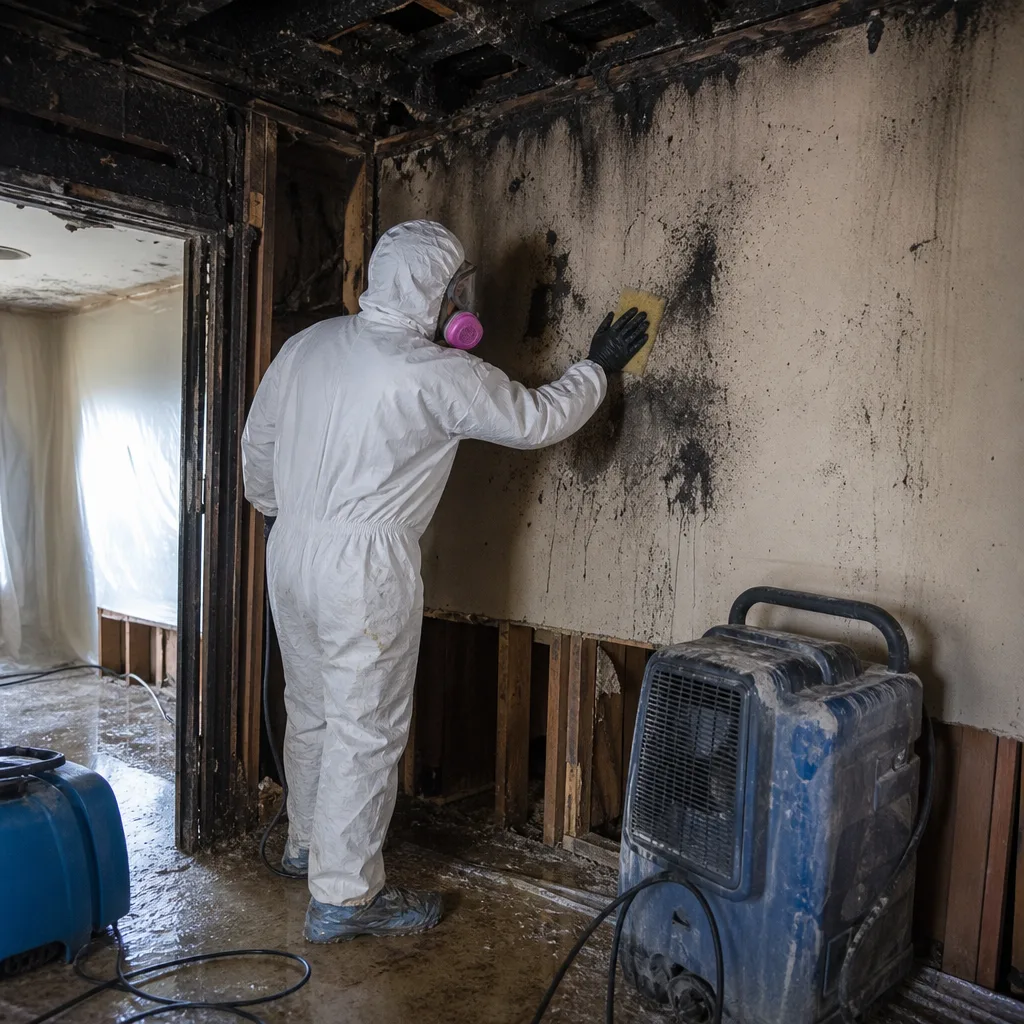
Flood Cleanup
Ground flooding in Wellington typically carries Category 3 classification due to agricultural runoff and canal backflow. We remove all porous materials that contacted floodwater, apply antimicrobial treatment to structural framing, and verify dryness with penetrating moisture meters before any rebuild begins.
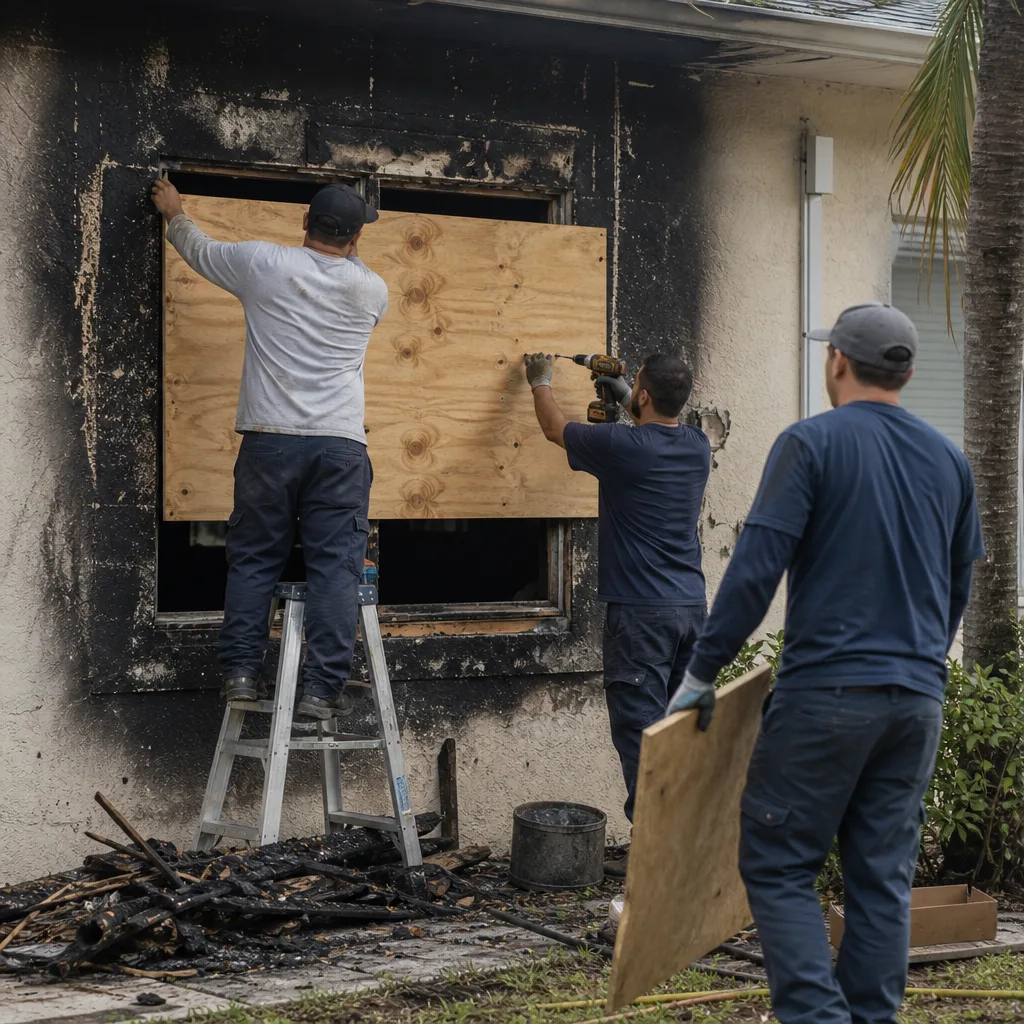
Burst Pipe Restoration
Wellington’s aging CBS homes increasingly show supply line failures at original copper-to-polybutylene connections. We extract water, dry affected assemblies, and coordinate licensed plumbing repair as part of our reconstruction scope - one team from emergency response through finished repair.
Basement Water Removal
True basements are rare in Wellington’s high water table environment, but lower-level living spaces in split-level homes and converted garage apartments see similar issues. We address hydrostatic pressure through foundation perimeter assessment and install sump systems where chronic intrusion demands permanent correction.
What happens when you call
- 1
A real person answersNo phone trees - you reach a local pro.
- 2
You get an upfront price rangeHonest numbers before anyone is dispatched.
- 3
A background-checked tech heads outLicensed & insured, dispatched right away.
- 4
You approve before work beginsNothing starts until you say go.
Water Damage Restoration Costs in Wellington, FL
Water damage mitigation in Wellington runs $2,800-$7,500 for typical residential losses; large equestrian structures and unoccupied estate properties with advanced secondary damage can exceed $15,000-$45,000. Emergency water extraction alone typically costs $1,200-$2,800 depending on standing water volume and access constraints. Structural drying with dehumidification runs $85-$150 per day per piece of equipment, with most residential jobs requiring 3-7 days. Category 3 flood cleanup adds $3-$5 per square foot for antimicrobial treatment and porous material disposal.
What moves the price: square footage affected, water category (clean vs. contaminated), how long water sat before discovery, and whether mold colonization has begun. Insurance typically covers sudden and accidental water damage; gradual leaks and maintenance-related failures are often excluded. We provide a free visual inspection and written scope with firm pricing before any work starts - Haven Standard, Clause 1 - and we offer a free second opinion on any competitor’s written estimate.
We Also Serve Cities Near Wellington
Our crews respond throughout Palm Beach County, including Royal Palm Beach to the north, Lake Worth to the east, Greenacres to the southeast, and West Palm Beach for commercial and large-loss assignments. Each community has distinct building stock and loss patterns; our documentation protocols adapt to the specific adjuster expectations and permit requirements of each municipality.
Serving Wellington, FL - Our Local Coverage Area
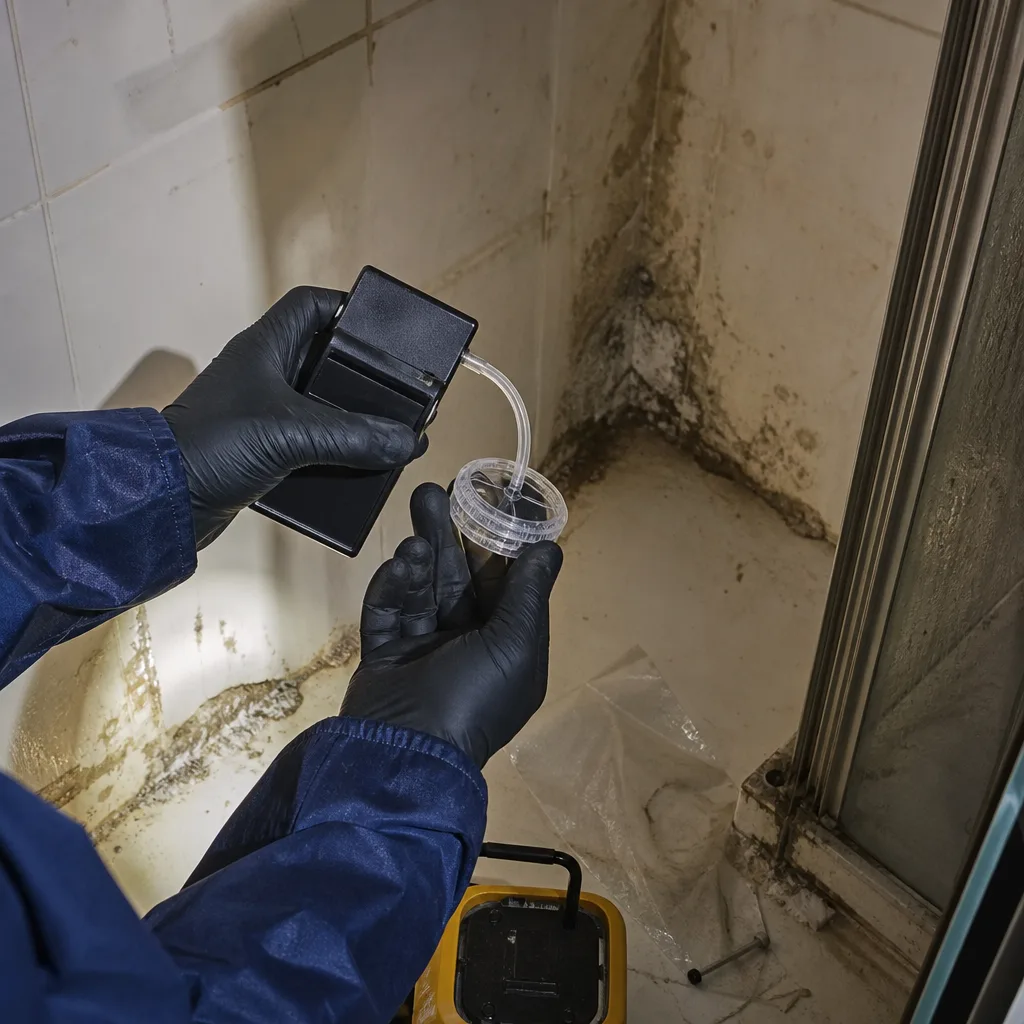
We’re based in the Wellington area and know this community well. Use the map below to see our service coverage - if you’re nearby, we can almost certainly help.
Wellington Water Damage Restoration Questions, Answered
How quickly can mold grow in a Wellington barn after a storm?
In Wellington’s summer conditions, mold can begin colonizing wet organic materials within 24-48 hours of water intrusion. We were called to a 12-stall barn in the Paddock Park equestrian community after a summer storm blew rain into a tack room and saturated the leather goods. Our crew performed water extraction, deployed air movers and dehumidification for structural drying, and applied antimicrobial treatment to the stall framing. Using moisture mapping and drying logs, we documented the pre-loss condition and completed the mitigation before mold could take hold. Call (561) 290-5060 for emergency response - estimates are free.
Why do garage door springs and hinges corrode faster in Wellington?
Wellington’s proximity to the Atlantic creates persistent salt-air exposure that accelerates galvanic corrosion on steel hardware by years compared to inland Florida. Garage door springs, hinges, rollers, and track fasteners show pitting and failure modes we rarely see in Royal Palm Beach or Greenacres. When corroded hardware seizes, doors fail to seal properly against wind-driven rain, creating secondary water intrusion paths. We document hardware condition during every water loss assessment and can coordinate replacement with corrosion-resistant components as part of reconstruction. Call (561) 290-5060 if your door is sticking or leaking - estimates are free.
What is the difference between Category 1, 2, and 3 water in restoration?
Category 1 water originates from a clean source like a broken supply line and poses minimal health risk if addressed quickly. Category 2 water contains significant contamination from sources like washing machine discharge or sump pump failures and requires disinfection. Category 3 water is grossly contaminated from sewage backup, ground flooding, or seawater intrusion - common in Wellington’s canal-adjacent properties during drainage system failures - and demands removal of all porous materials plus thorough antimicrobial treatment. Category can degrade over time; standing Category 1 water becomes Category 2 within 48 hours and Category 3 within a week. Call (561) 290-5060 for proper classification and safe handling - estimates are free.
How do you dry a large covered riding arena after water damage?
Structures exceeding 40,000 square feet require commercial-scale desiccant dehumidification, positive-pressure drying systems, and calculated air changes per hour rather than standard residential equipment. We establish contained drying zones to protect footing materials and structural components, monitor vapor pressure differential across the envelope, and produce daily psychrometric logs documenting progress. This specialty-structure expertise is unique to Wellington’s equestrian economy; no neighboring city presents comparable large-loss exposure. Call (561) 290-5060 to discuss your arena or barn - estimates are free.
Can you handle water damage in unoccupied Wellington estates?
Yes - in fact, this is a significant portion of our Wellington work. After the Winter Equestrian Festival ends in April, many estate owners leave properties unoccupied through hurricane season, and damage often progresses for weeks before a caretaker discovers it. We perform full property assessments, document pre-loss conditions for insurance, mitigate active damage, and secure structures against further intrusion. Our photo records and written scopes provide the documentation absent owners need for remote claim management. Call (561) 290-5060 - we can coordinate access with your property manager and estimates are free.
How fast can you actually get to my Wellington property?
We commit to a 45-minute response time for Wellington emergency calls, with crews already working in Palm Beach County and routing directly to your address. Our phones are answered live 24 hours a day by a real person who can dispatch immediately - no voicemail trees, no next-business-day callbacks while water continues spreading. The first hour of response determines whether your loss stays a mitigation job or becomes a full reconstruction project. Call (561) 290-5060 now - estimates are free.
Will my insurance cover water damage restoration in Wellington?
Most homeowner policies cover sudden and accidental water damage from burst pipes, appliance failures, or storm damage, subject to your deductible. Gradual leaks, maintenance-related failures, and flood damage from rising groundwater typically require separate flood insurance through the NFIP or private market. We provide photo-documented assessments, Xactimate-standard estimates, and direct adjuster coordination to maximize covered recovery. Our daily drying logs and written scopes are designed specifically to produce payable claims. Call (561) 290-5060 and we’ll review your situation - estimates are free.
What should I do in the first 30 minutes after discovering water damage?
Stop the water source if safely possible - shut off the main supply valve, typically located near the water meter or in a garage utility area. Do not enter standing water if electrical outlets or equipment are submerged; call us immediately for safe extraction. Remove small valuables and documents from wet areas if you can do so without wading. Then call (561) 290-5060 - the sooner we start extraction and establish drying equipment, the less material needs replacement and the lower your total cost. We answer live 24 hours a day and provide free visual inspections with written pricing before any work begins.
Written by Alicia Brennan, Owner at DryMark Restoration West Palm Beach, serving Wellington since 2011 under The Haven Standard.
Water Damage Restoration in Nearby Areas