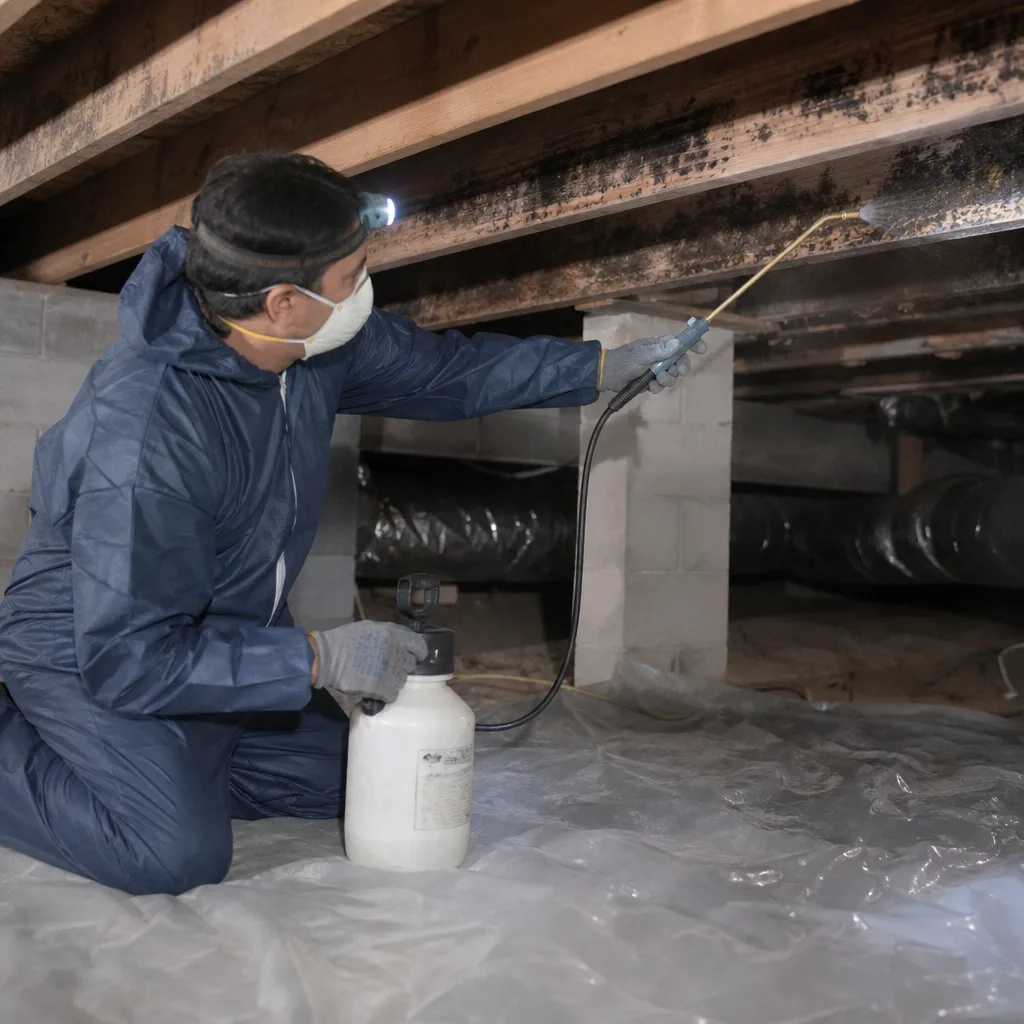
Free visual inspection and a written scope of work before any mitigation begins - photos, moisture readings, and drying logs go in your claim file
The scope we write is the scope we bill. Anything new gets shown to you, in writing, before we touch it.
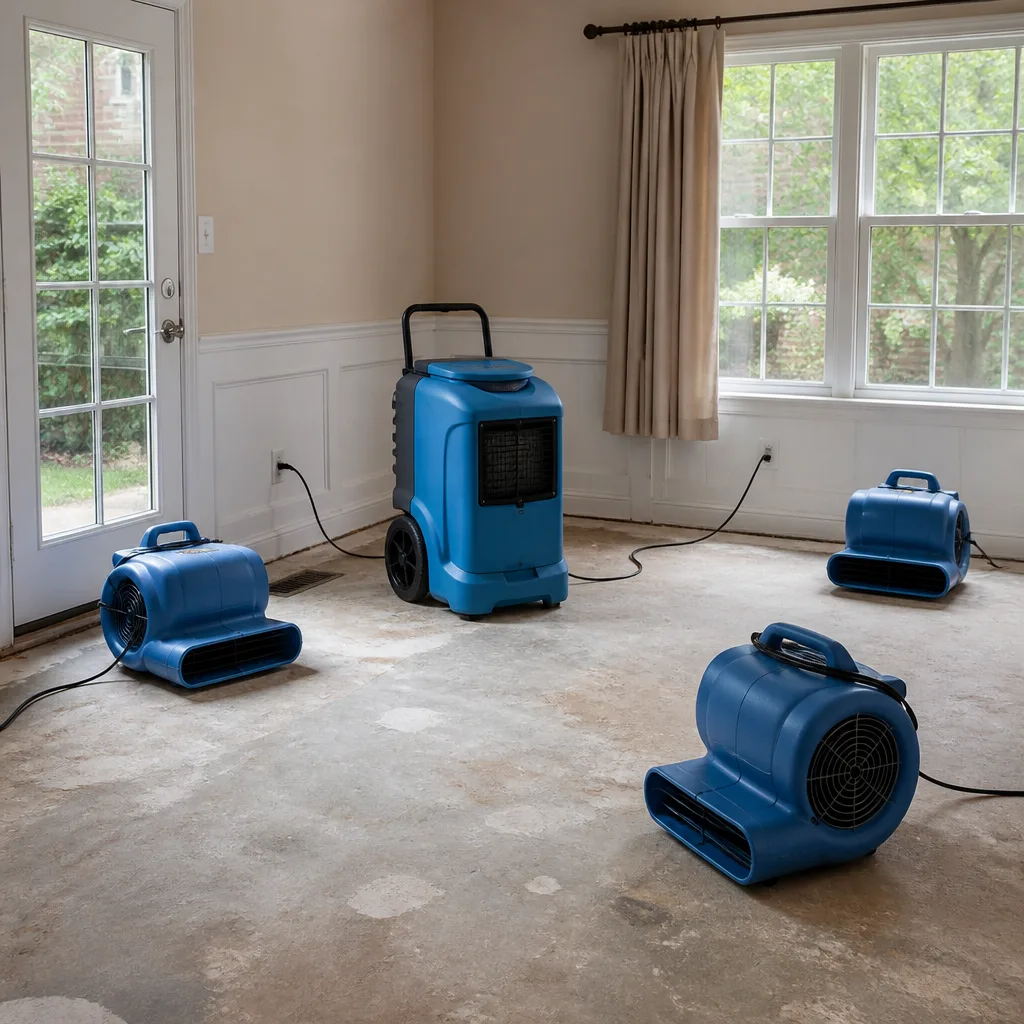
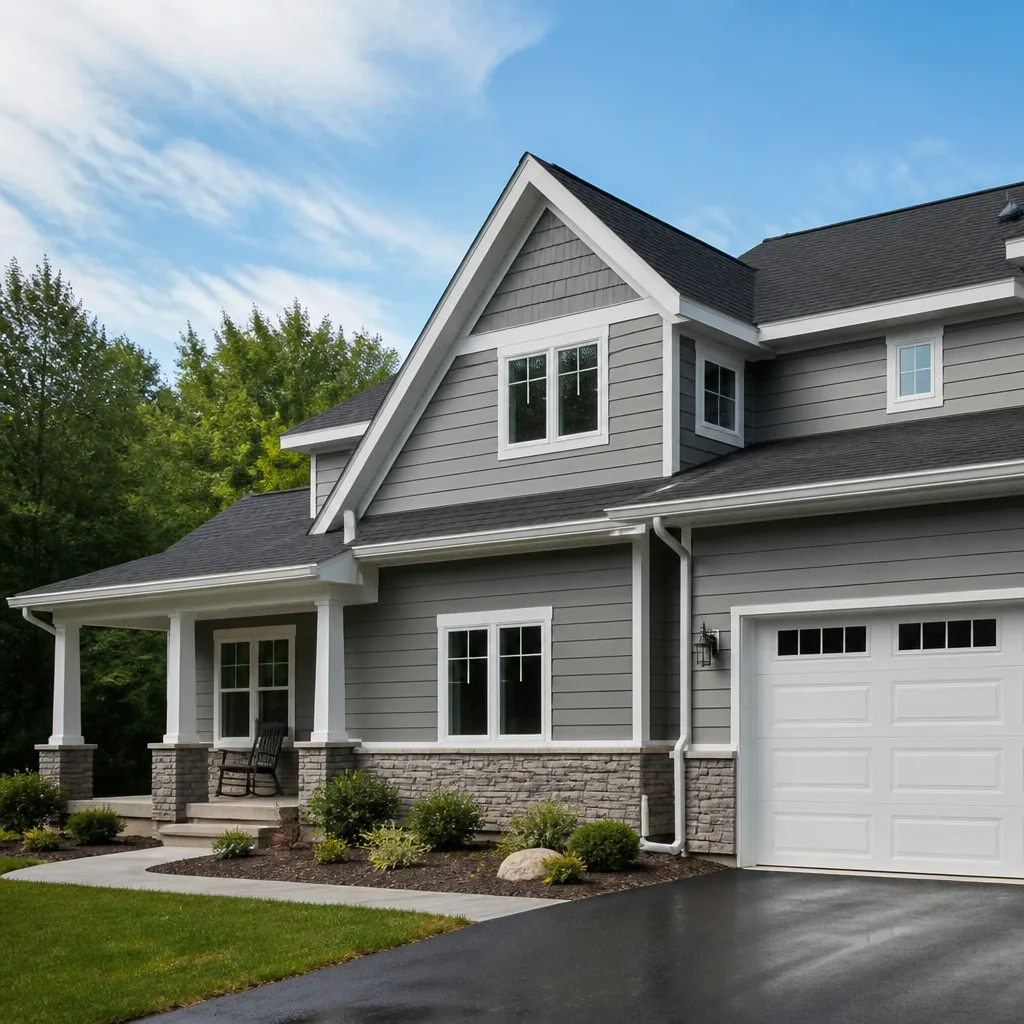
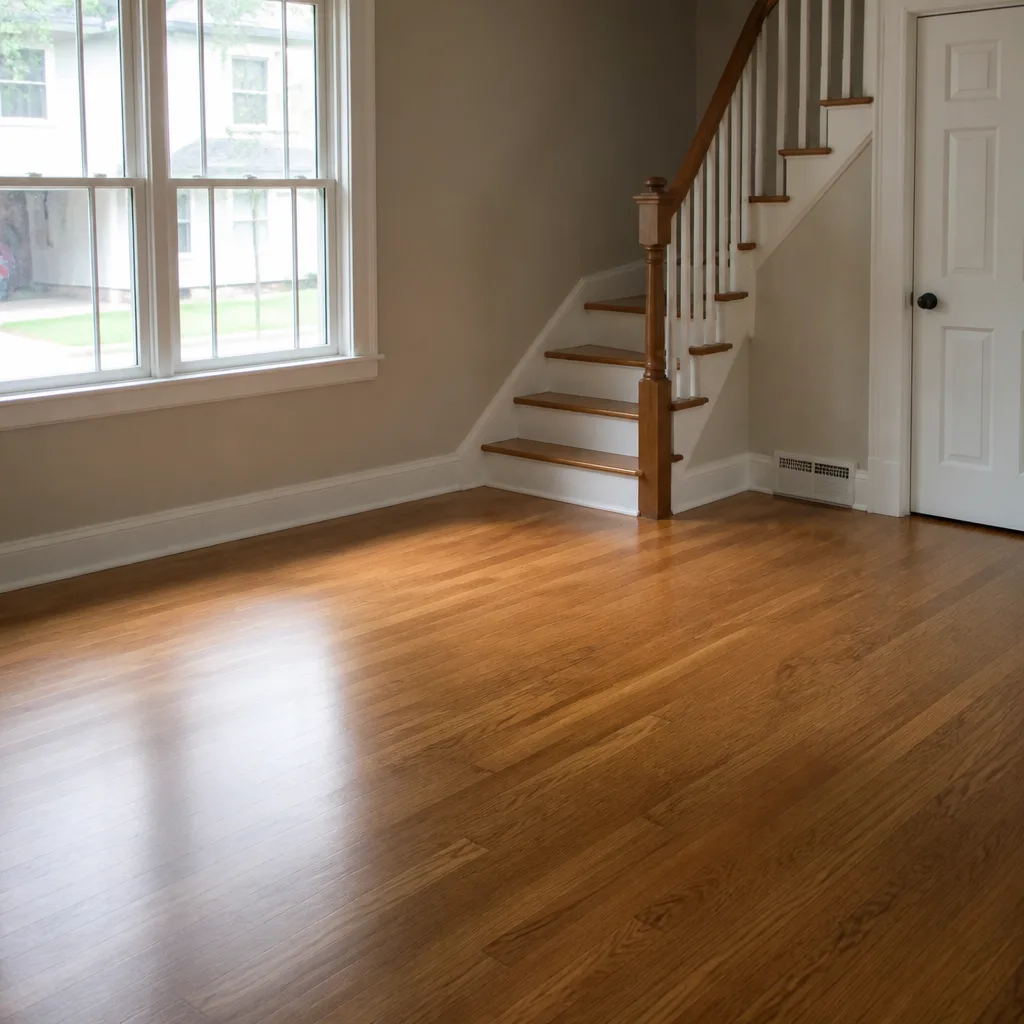
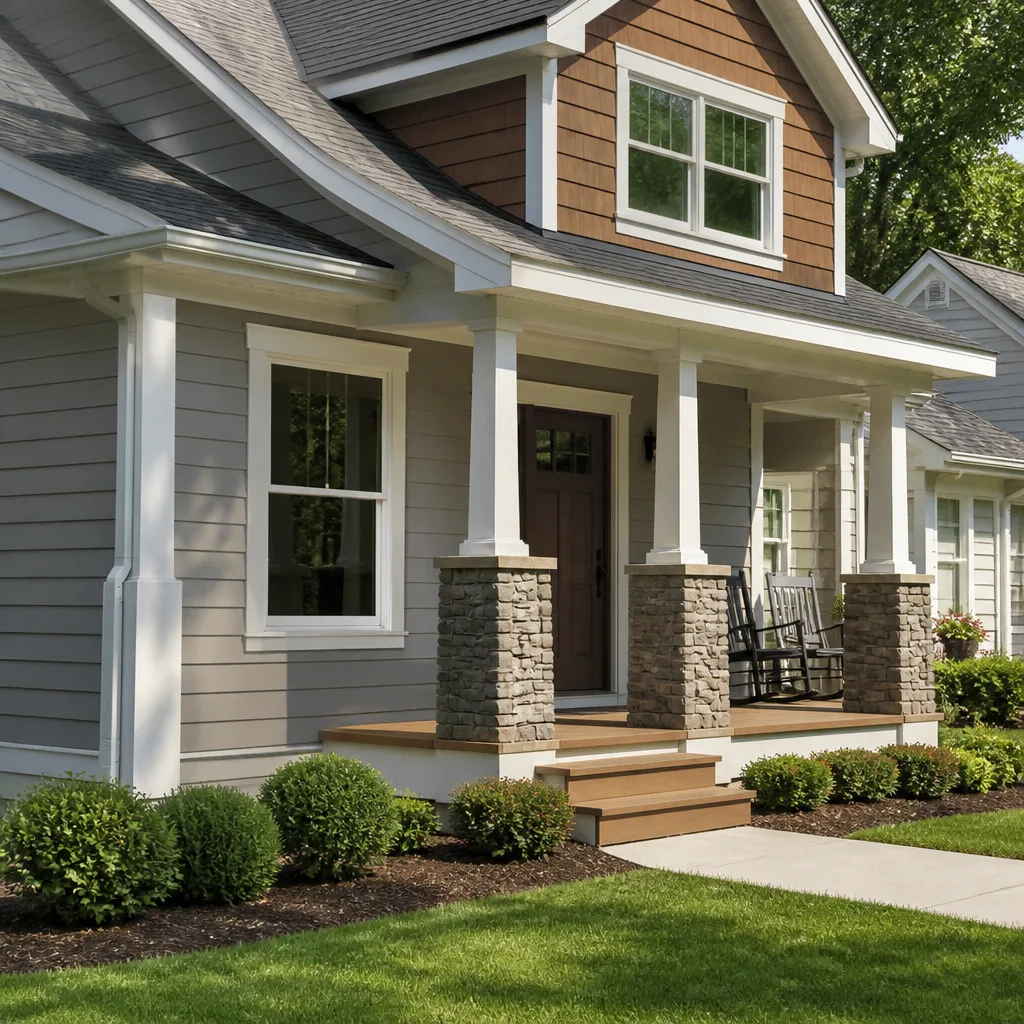
 Before
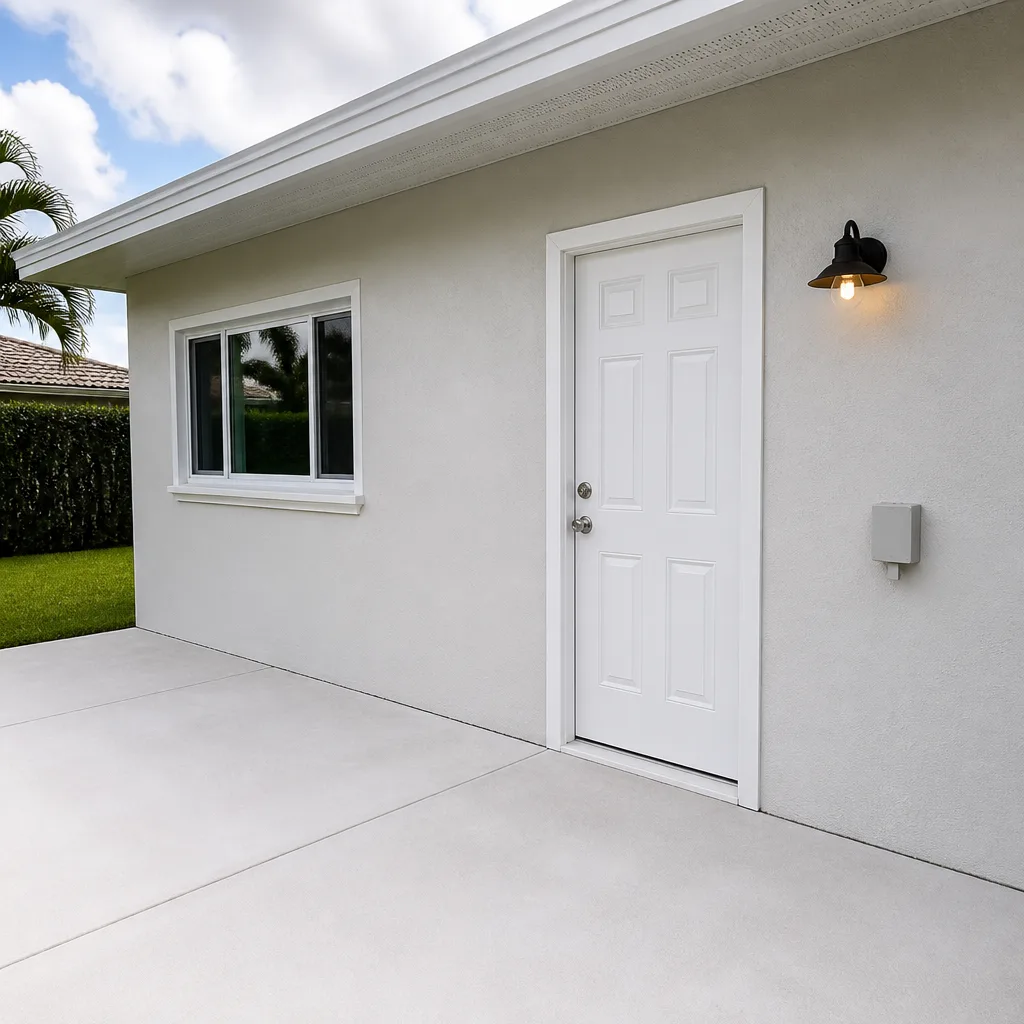 After
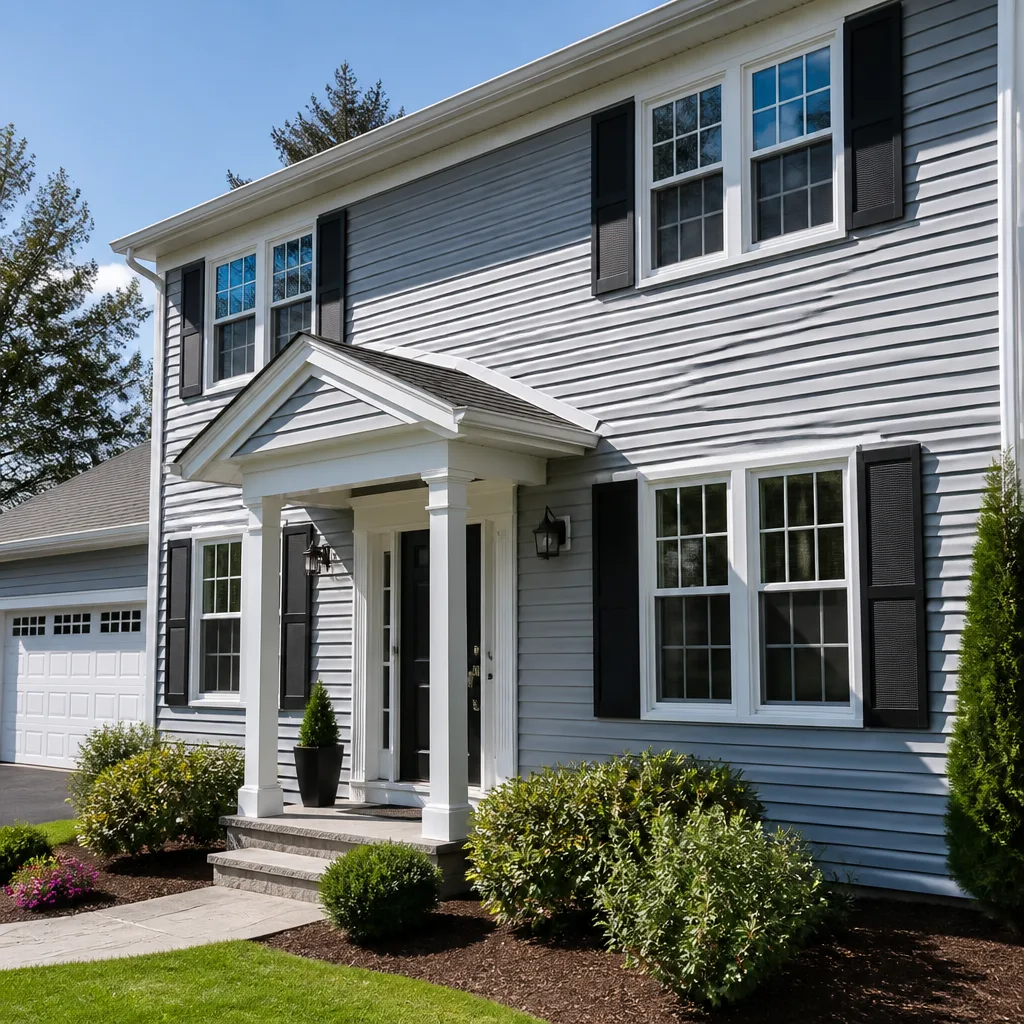
After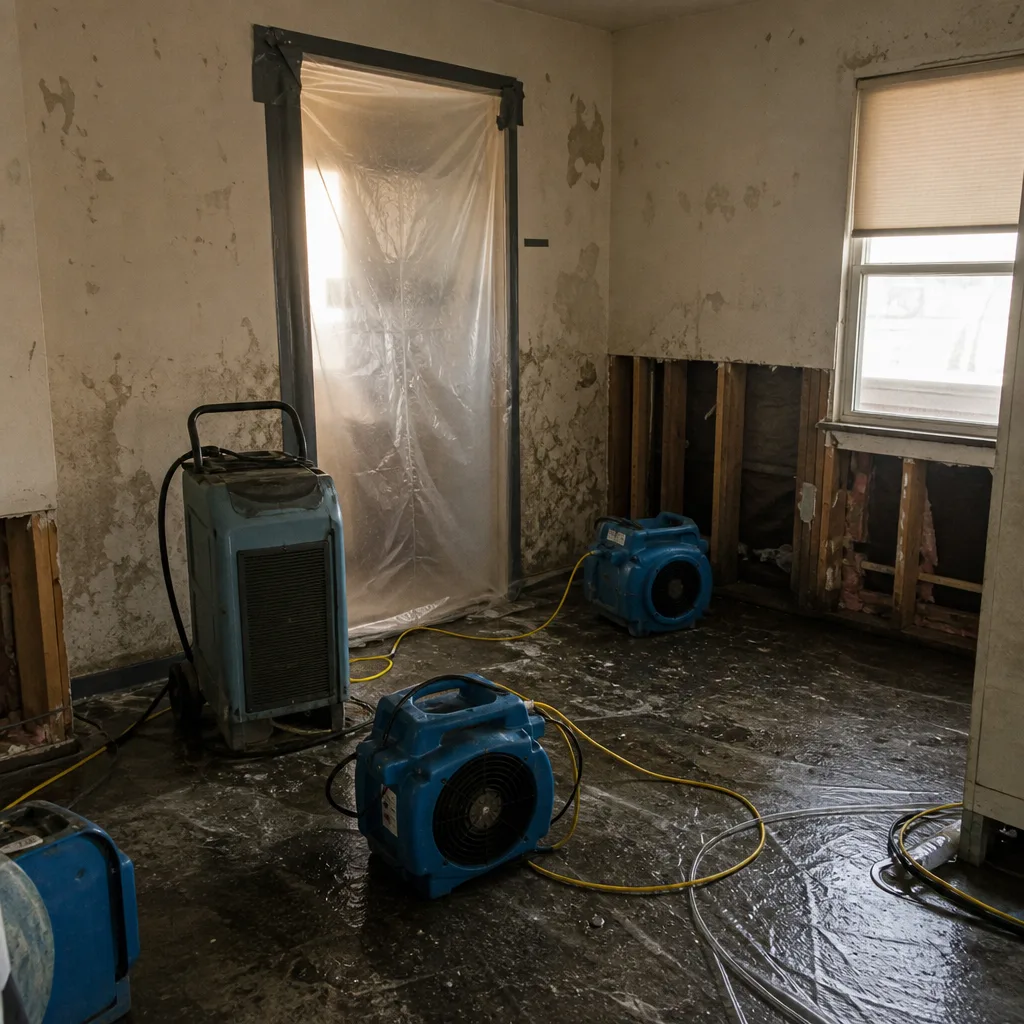 Before
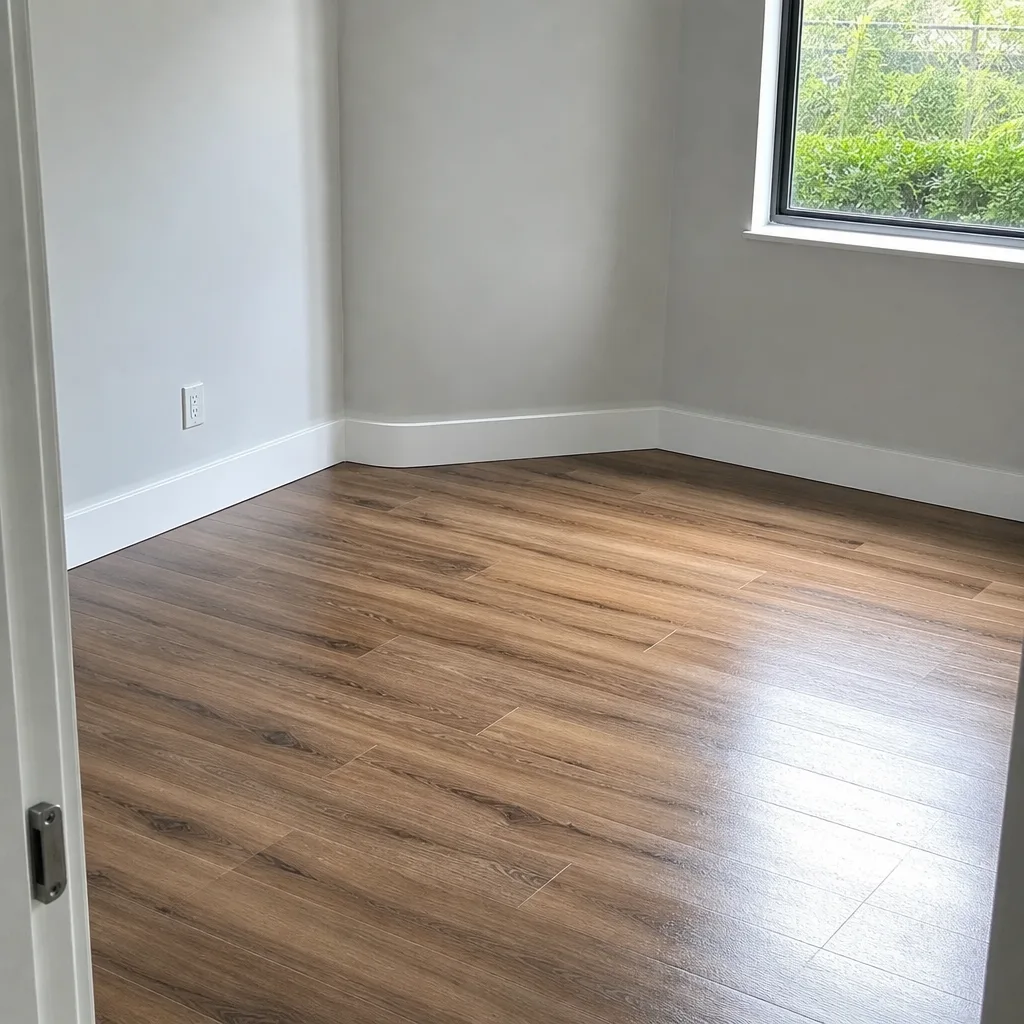 After
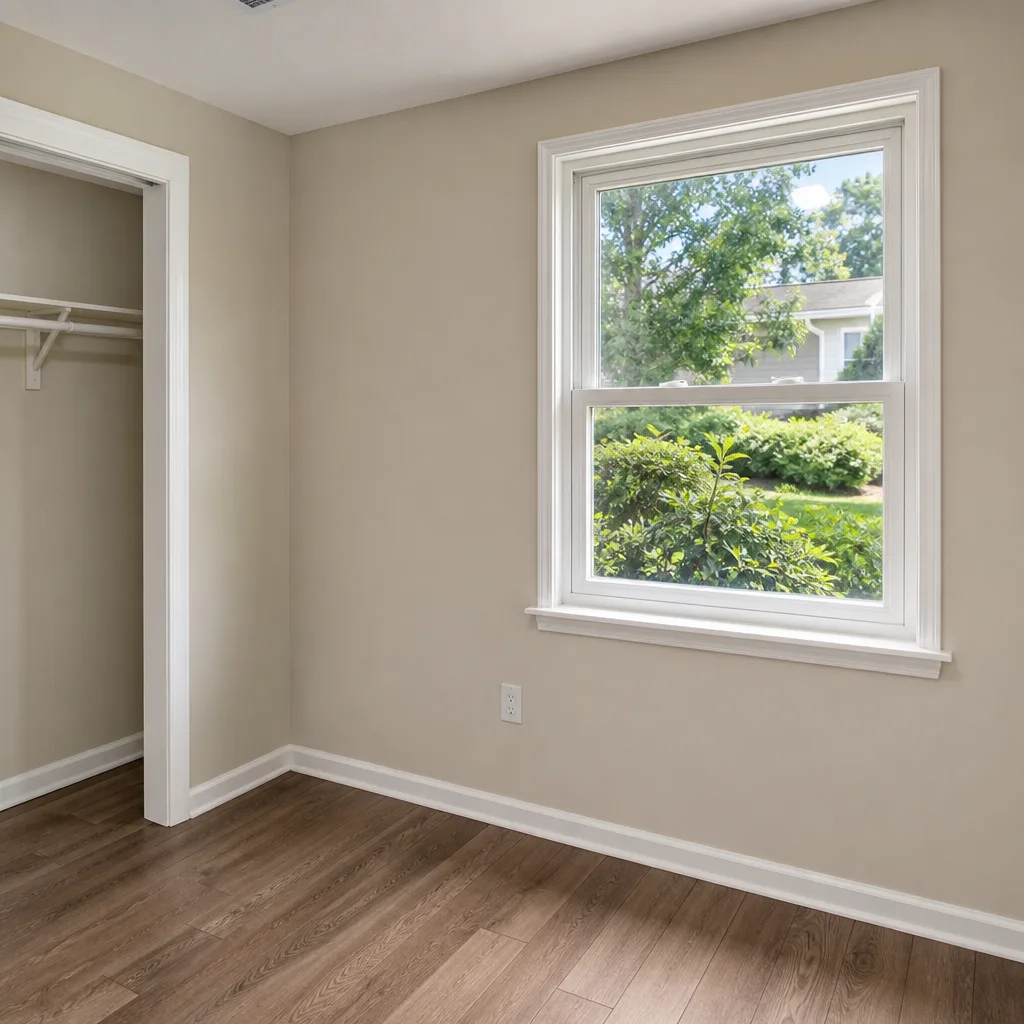
After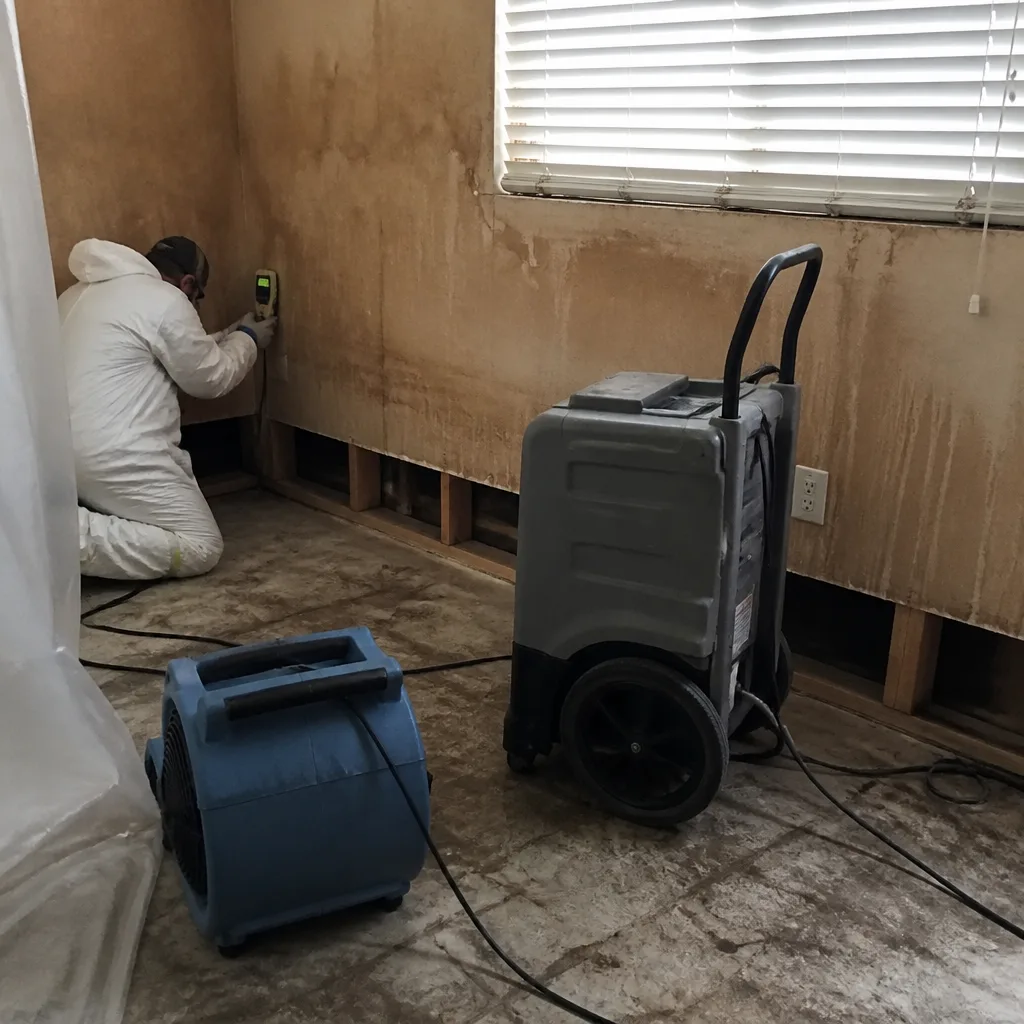 Before
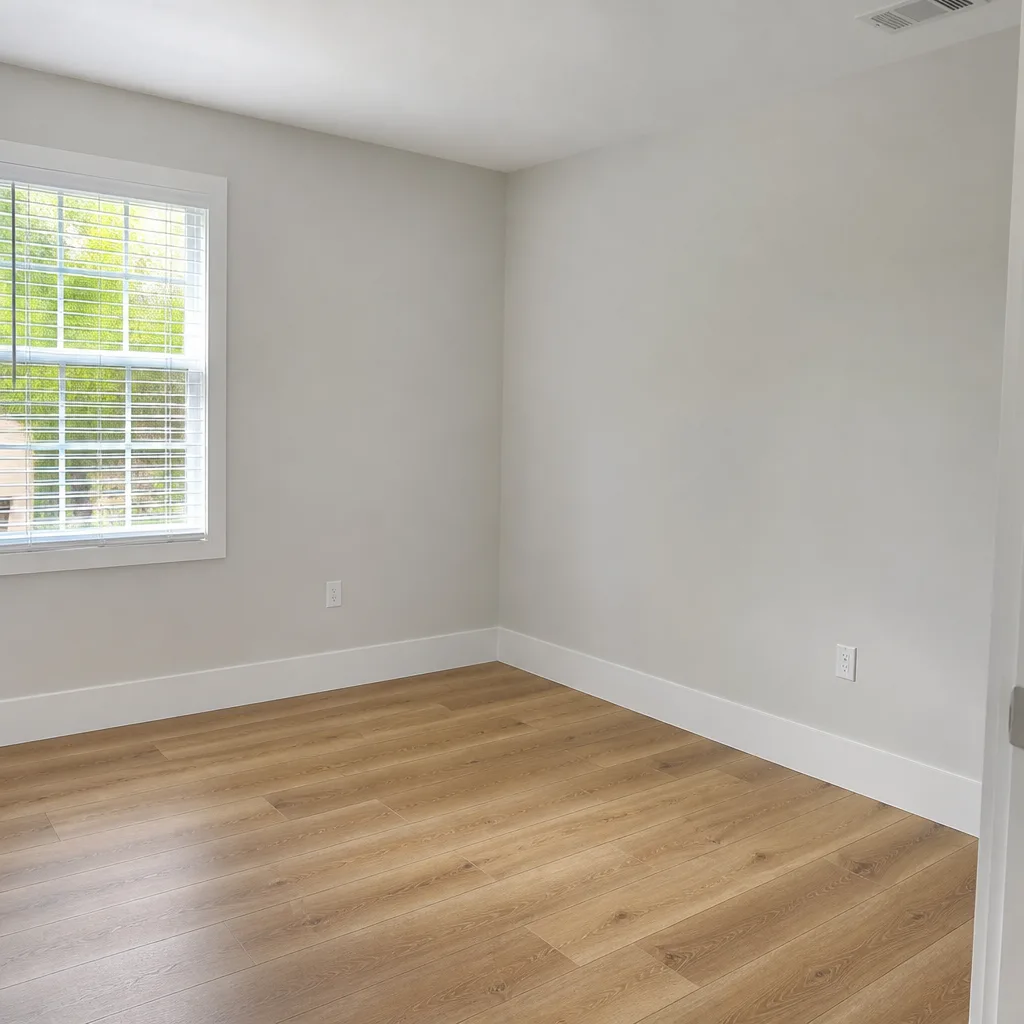 After
After24/7 Emergency Mold Remediation in Lake Worth
Mold remediation in Lake Worth typically costs $1,800-$6,500 depending on affected square footage and whether the source was saltwater intrusion or freshwater damage, with most containment and removal projects completed in 3-7 business days. Call (561) 290-5060 and a live person answers, 24 hours a day, every day. We dispatch crews throughout the Lake Worth area from our South Florida coordination office, and we don’t send you to voicemail when moisture is still moving behind your walls.
The first 48 hours after water intrusion are critical in Lake Worth. Sandwiched between the Atlantic Ocean and the Lake Worth Lagoon, properties here face near-constant salt-laden humidity that accelerates mold colonization faster than inland Palm Beach County cities. That salt residue also corrodes drywall metal track, fasteners, and wiring while mold is still establishing, creating a compound damage layer that generic remediation crews often miss. We offer a free visual inspection, deliver a written price before any work starts under Haven Standard, Clause 1, and document every visit with a photo record.
Understanding Mold Remediation Severity in Lake Worth Properties
Mold severity in Lake Worth falls into three practical categories that determine containment strategy, equipment load, and whether materials can be salvaged. Category 1, or limited colonization, covers isolated surface growth on non-porous materials in areas under 10 square feet, typically addressed with HEPA vacuuming, antimicrobial application, and targeted dehumidification. Category 2, moderate contamination, involves porous materials like drywall, insulation, or carpet with visible growth spreading across 10-100 square feet, requiring physical removal of compromised materials, negative-air containment, and air scrubbing with HEPA filtration. Category 3, heavy or hidden colonization, means growth exceeding 100 square feet, HVAC system involvement, or chronic moisture behind walls from sources like separated parapet flashing, common in Lake Worth’s 1940s-1950s flat-roof CBS homes.
Our crews use moisture mapping with thermal imaging and penetrating hygrometers to find the true water source, not just the visible stain. In Lake Worth’s historic downtown grid, we probe parapet wall flashing as a first-stop diagnostic because separated flashing channels rainwater into wall cavities for years before ceiling stains appear. The housing stock here, some of the oldest in Palm Beach County, demands this level of source-tracing. Category 2 water sitting behind original plaster and drywall in these older homes often forces removal of saturated sections, though our Mold Remediation team works to preserve more original interior than owners expect.
Why Lake Worth Property Owners Choose DryMark Restoration West Palm Beach
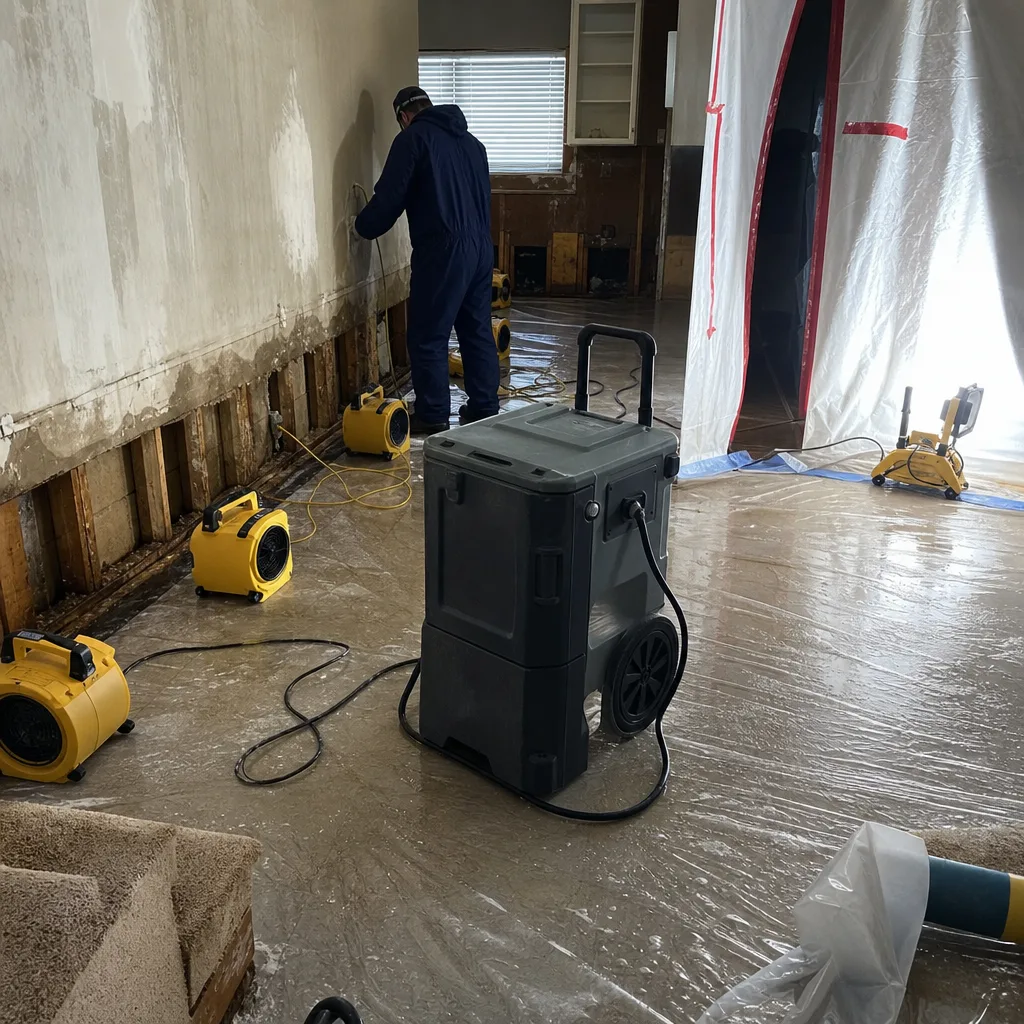
- 45-minute response commitment to Lake Worth addresses from our South Florida dispatch center, with crews pre-staging equipment to avoid delays from tight street parking and alley-load access.
- 24/7 live answer by a real person, never an automated system or voicemail tree, because mold doesn’t wait for business hours and neither do we.
- IICRC-certified crews holding WRT (Water Damage Restoration Technician) and AMRT (Applied Microbial Remediation Technician) credentials, with background-checked, uniformed technicians named and verified before arrival.
- Free visual inspection with moisture readings and a written scope delivered before any work begins, every time, with no exceptions under Haven Standard, Clause 1.
- Direct insurance billing with photo-documented assessments, daily drying logs, and adjuster coordination that turns restoration invoices into payable claims.
- One team from containment through reconstruction, so the crew that scopes your loss finishes the rebuild and stands behind the 365-Day Done Right Promise.
 Before
 After
AfterOur Mold Remediation Process
1. Inspection & Assessment
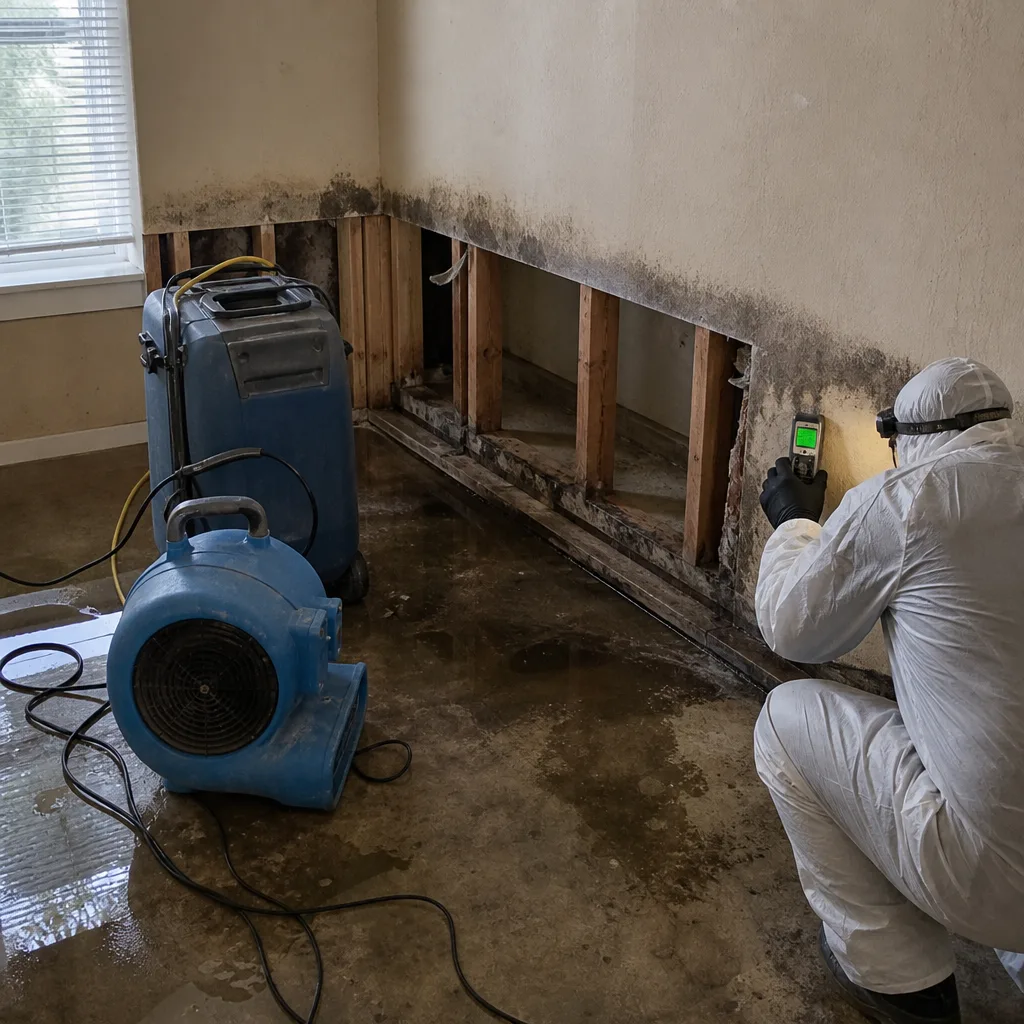
We arrive with thermal imaging cameras, penetrating moisture meters, and borescopes to map the full extent of water intrusion and mold colonization. In Lake Worth’s historic downtown, parapet wall flashing and low-slope roof ponding are checked first. Moisture readings are recorded room by room and documented in your file before containment is discussed.
2. Containment & Air Filtration
Negative-air containment barriers isolate the work zone, preventing cross-contamination to unaffected areas. HEPA air scrubbers run continuously during remediation, capturing airborne spores at 99.97% efficiency down to 0.3 microns. For Lake Worth properties with saltwater intrusion history, we treat salt residue as a separate contamination layer before mold work begins.
3. Moisture Mapping & Source Elimination
We trace every elevated moisture reading to its source using psychrometric data, vapor pressure differential analysis, and invasive probing where necessary. Tertiary drying, the final phase of moisture removal from dense materials, is documented with daily readings until equilibrium is reached. Equipment from Dri-Eaz and Injectidry handles wall-cavity drying without unnecessary demolition.
4. Mold Removal & Material Disposal
Non-salvageable porous materials, drywall, insulation, and carpet padding are removed under containment and bagged for proper disposal per Florida Department of Health guidelines. Semi-porous materials like wood framing are HEPA-vacuumed, sanded or soda-blasted, and treated with antimicrobial solutions. We preserve original 1920s-1940s materials where moisture levels and contamination allow.
5. Antimicrobial Treatment & Air Quality Restoration
EPA-registered antimicrobials are applied to all affected and adjacent surfaces, followed by HEPA air scrubbing and clearance sampling. For Lake Worth homes with chronic humidity issues, we install supplemental dehumidification and moisture control systems. Air quality restoration includes particulate testing and volatile organic compound screening where health concerns exist.
6. Repairs, Reconstruction & Documentation
Our reconstruction team replaces removed materials with moisture-resistant equivalents suited to Lake Worth’s coastal environment, including corrosion-resistant fasteners and treated lumber. A photo record documents every phase, and the final deliverable includes drying logs, moisture equilibrium readings, and the signed 365-Day Done Right Promise under The Haven Standard.
Need Emergency Mold Remediation in Lake Worth Now?
Crews minutes away, answering live 24 hours a day. The sooner we start, the less it costs.
Working With Your Insurance Company
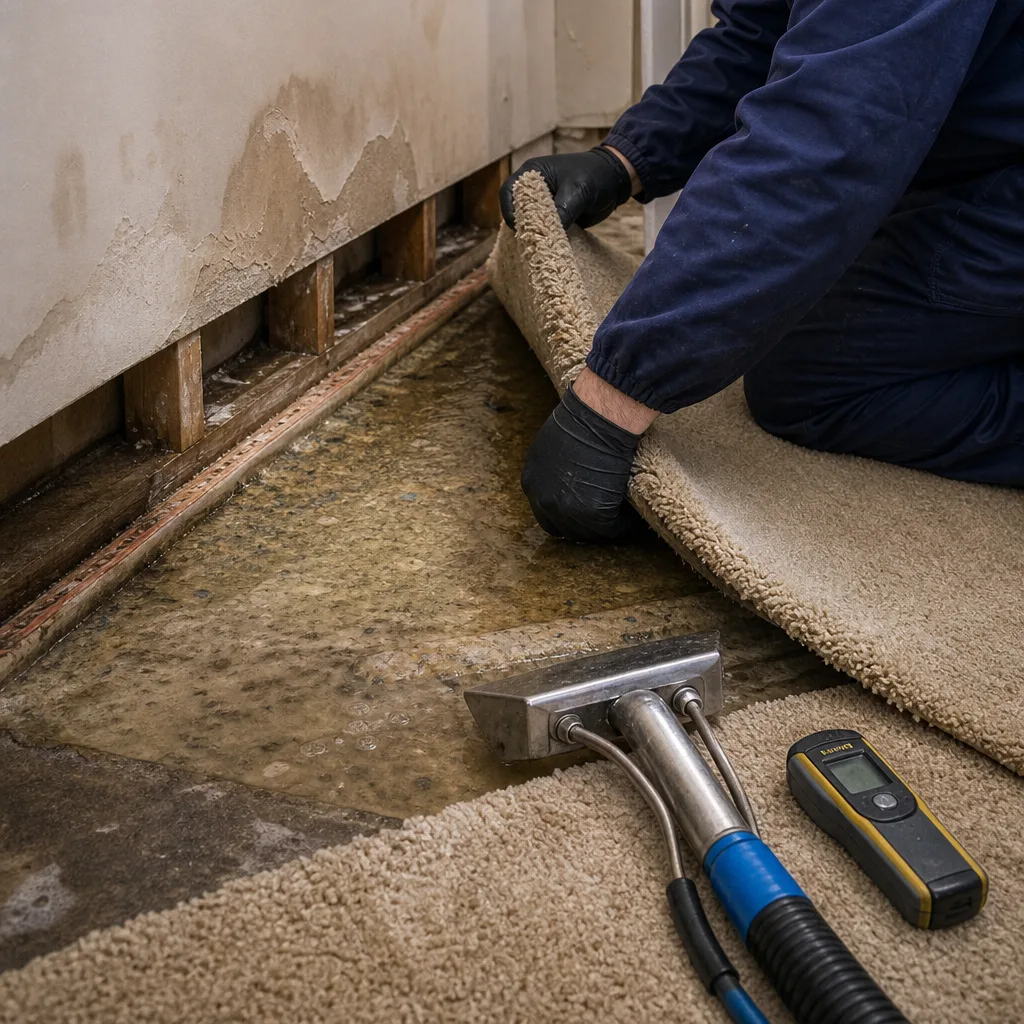
Insurance claims for mold damage in Lake Worth succeed or fail on documentation quality, and we’ve built our process around that reality since 2011. From the first hour on site, we photograph every affected area, record moisture readings with equipment make and model, and maintain daily drying logs that meet IICRC and RIA standards. Your adjuster receives a line-item scope of work with material classifications, labor hours, and equipment deployment schedules, not a lump-sum estimate open to dispute.
We coordinate directly with your carrier, attend adjuster meetings on request, and provide the photo-documented evidence that distinguishes legitimate mold claims from the denials that plague poorly documented files. If you have a competitor’s written estimate, our Free Second Opinion service reviews it at no charge. Alicia Brennan founded Back to Dry Restoration after seeing how documentation gaps cost homeowners their claims, and that origin shapes every file we build.
What We Provide Your Insurer
- Thorough documentation of the loss with cause-and-origin analysis
- Photos of all damage, room by room, with date and time stamps
- Moisture readings and drying logs with equipment specifications
- A detailed, line-item scope of work with material classifications
- Direct coordination with your carrier and adjuster availability
Built for Lake Worth’s Loss Calendar
January through April brings dry-season humidity dips, but older Lake Worth homes with unsealed crawl spaces and aging vapor barriers still develop condensation-driven mold in exterior walls. May through October is the critical period: afternoon convective storms dump inches in hours, overwhelming flat and low-slope roofs common in the 1920s-1940s stock, while tropical systems and hurricanes push saltwater intrusion from both the Atlantic and Lake Worth Lagoon simultaneously. November and December see secondary mold events as owners discover delayed damage from storm season that went unaddressed.
The compound flood threat is real here. Storm surge from the ocean meets Lagoon overtopping on the west, and that salt-laden water changes everything about our response protocol. Salt residue is treated as its own contamination layer before mold remediation begins, because it continues corroding structural elements while mold is being removed. Crews serving Lake Worth carry corrosion-specific assessment tools and adjusted antimicrobial formulations for this coastal environment.
Mold Remediation Across Lake Worth’s Neighborhoods
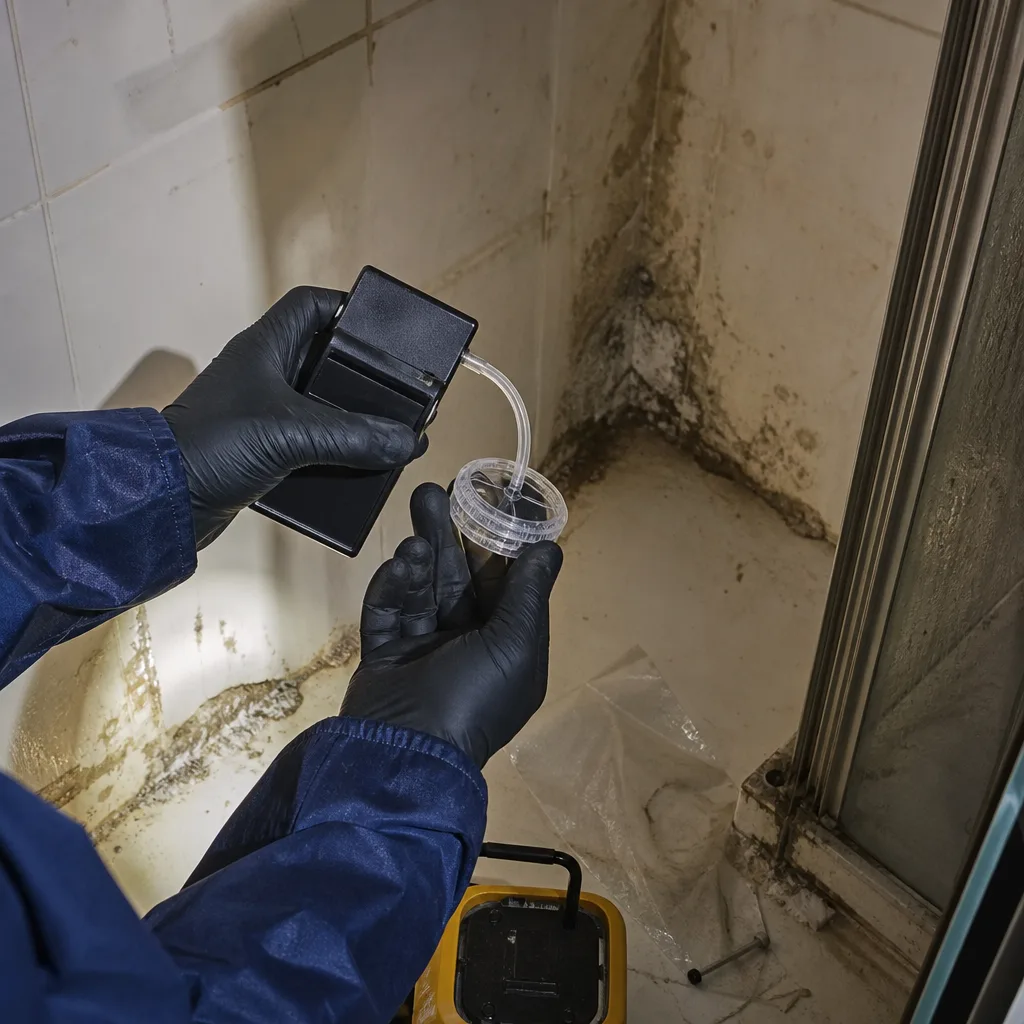
Parrot Cove and the College Park area, south of Lake Avenue, contain dense concentrations of 1920s wood-frame bungalows with original crawl spaces and minimal modern moisture barriers. We treat crawl space mold and humidity control as routine here, with vapor barrier installation and dehumidification often following remediation to prevent recurrence. The narrow lots and alley-load access mean equipment staging is planned before arrival to avoid losing time on placement.
The historic downtown residential grid near the Lake Worth Lagoon, from Lucerne Avenue north to 2nd Avenue North, is where we find the separated parapet flashing failures most often. These 1940s-1950s flat-roof CBS homes channel rainwater into wall cavities for years, and scoping only the visible ceiling stain misses the true source. We probe parapets and interior wall bases on virtually every water-damage visit in these blocks.
Lake Worth Beach proper, on the barrier island, faces the most aggressive salt-laden humidity in the city. Condensation on cooled interior surfaces, accelerated by ocean-front exposure, creates mold-friendly conditions even without active leaks. Properties here need moisture and humidity control systems sized for coastal loads, not inland specifications.
The neighborhoods west of I-95 toward Greenacres, with 1960s-1980s ranch and split-level construction, see more conventional roof-leak and plumbing-failure mold, but the same 24-48 hour colonization timeline applies. Response speed matters across all Lake Worth building eras, but the older the stock, the more critical source-tracing becomes.
Specialized Mold Remediation Services We Offer in Lake Worth
Mold Inspection & Testing
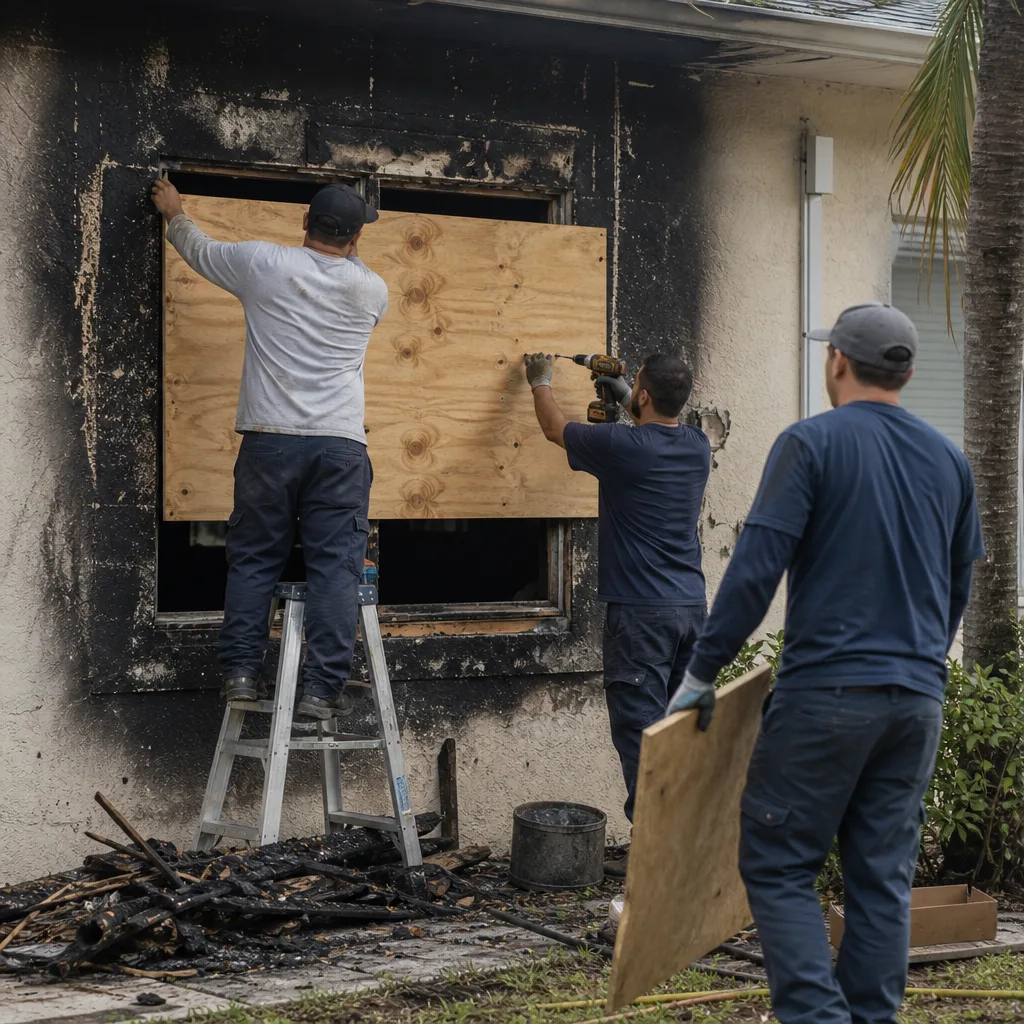
Our inspections go beyond visual assessment to include moisture mapping, air sampling, and surface testing with laboratory analysis. In Lake Worth’s historic downtown, we add parapet and low-slope roof probing to standard protocols. A written scope with findings and recommended action is delivered before any remediation work is discussed.
Mold Removal
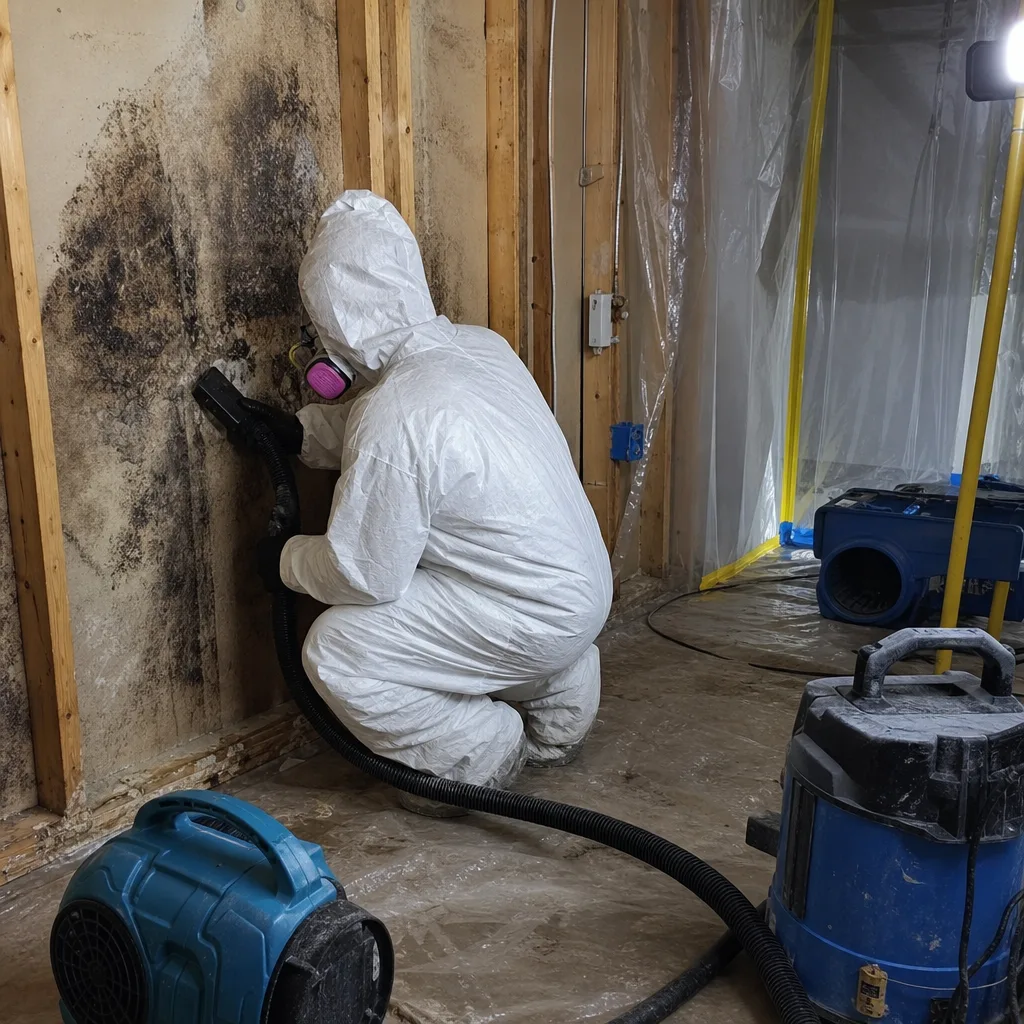
Physical removal of colonized materials under negative-air containment, with HEPA filtration and proper disposal per Florida guidelines. For Lake Worth’s 1920s-1940s homes, we distinguish between salvageable original materials and compromised sections, preserving more historic interior than replacement-focused crews.
Black Mold Remediation
Stachybotrys chartarum and other toxigenic species require enhanced containment, personal protective equipment, and specialized antimicrobial protocols. We document chain-of-custody for samples and provide clearance testing to confirm safe reoccupancy, critical for insurance claims and property resale in Lake Worth.
Air Quality Restoration
Post-remediation HEPA air scrubbing, particulate testing, and VOC screening restore breathable indoor environments. In Lake Worth’s tight historic homes with limited natural ventilation, this step prevents the “still smells off” complaints that indicate incomplete remediation. Equipment runs until readings meet or exceed IICRC standards.
Crawl Space Treatment
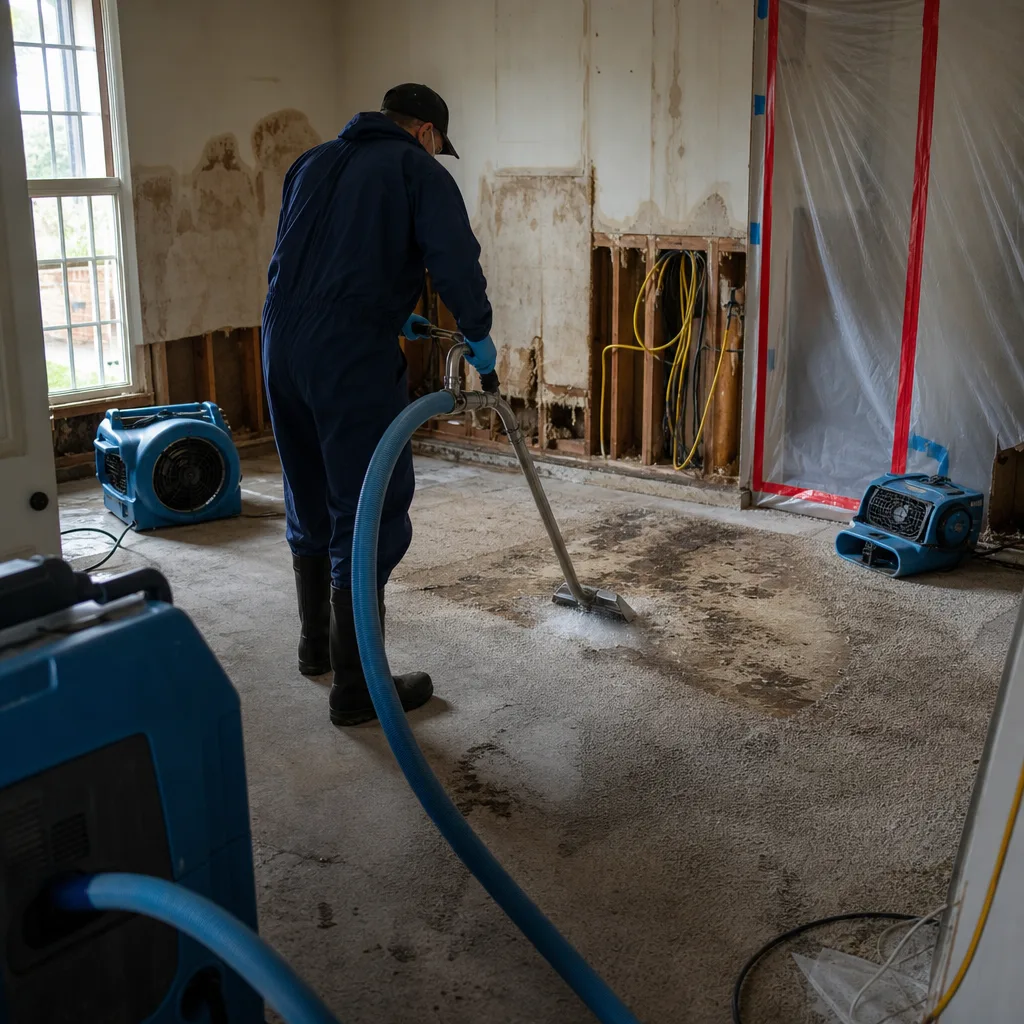
Encapsulation, vapor barrier installation, and dedicated dehumidification for Lake Worth’s older homes with vented crawl spaces. The high water table and salt-laden humidity in this coastal zone make passive ventilation inadequate; active moisture control is typically necessary for lasting results.
Moisture & Humidity Control
Permanent dehumidification systems, drainage improvements, and building envelope repairs tailored to Lake Worth’s double-waterfront exposure. We size equipment for coastal psychrometric loads and specify corrosion-resistant components where salt air concentrates. This is where prevention replaces repeated remediation.
What happens when you call
- 1
A real person answersNo phone trees - you reach a local pro.
- 2
You get an upfront price rangeHonest numbers before anyone is dispatched.
- 3
A background-checked tech heads outLicensed & insured, dispatched right away.
- 4
You approve before work beginsNothing starts until you say go.
Mold Remediation Costs in Lake Worth, FL
A typical mold inspection and limited surface remediation in Lake Worth runs $1,800-$3,200. Moderate contamination involving drywall removal, containment, and air scrubbing across multiple rooms generally falls between $3,500-$6,500. Heavy colonization exceeding 100 square feet, with HVAC involvement or extensive reconstruction, can reach $8,000-$15,000 or more depending on material finishes and accessibility constraints in historic properties.
Saltwater intrusion events add a treatment layer, typically $400-$800 for corrosion assessment and salt-residue neutralization before mold work begins. Insurance coverage varies: sudden and accidental water damage with resulting mold is often covered, while long-term maintenance-related moisture is typically excluded. Our free visual inspection includes cause-and-origin analysis that helps determine coverage likelihood before you file. We deliver a written price before work starts, every time, with no scope-creep additions once the crew is inside, Haven Standard, Clause 1. Call (561) 290-5060 for an exact quote on your specific situation.
We Also Serve Cities Near Lake Worth
Our crews respond throughout central Palm Beach County, including Wellington’s equestrian properties with their own humidity management challenges, Greenacres and its mix of mid-century and newer construction, Royal Palm Beach with its western suburban expansion patterns, and Boynton Beach’s coastal and inland zones with similar salt-air exposure. Each city’s building stock and loss patterns shape our response, but the documentation-first approach stays constant.
Serving Lake Worth, FL - Our Local Coverage Area
We’re based in the Lake Worth area and know this community well. Use the map below to see our service coverage - if you’re nearby, we can almost certainly help.
Lake Worth Mold Remediation Questions, Answered
How fast does mold start growing after a water intrusion in a Lake Worth home?
In Lake Worth, mold colonization typically begins within 24-48 hours of water intrusion, faster than inland Palm Beach County cities due to the constant salt-laden humidity from the Atlantic and Lake Worth Lagoon. That salt residue also accelerates corrosion of fasteners and drywall track while mold establishes, creating compound damage that demands immediate moisture mapping and containment. Call (561) 290-5060 for emergency response.
Do the 1940s flat-roof CBS homes near downtown Lake Worth have mold problems specific to their construction?
Yes. Separated parapet wall flashing on these homes channels rainwater into wall cavities for years before visible staining appears, creating hidden mold behind intact interior surfaces. We probe parapets and interior wall bases as a first-stop diagnostic on virtually every scoping visit in these older blocks, and we’ve saved more original 1940s interior than owners expected by pairing Injectidry wall-cavity drying with targeted material removal. Call (561) 290-5060 for a free inspection.
Can you reach tight alley-load or townhome properties in Lake Worth’s historic grid?
We pre-plan equipment staging for every Lake Worth historic-grid dispatch, because narrow lots, alley-load access, and street parking constraints cost time if crews arrive unprepared. Our 45-minute response commitment includes logistics coordination from our South Florida office to ensure dehumidifiers, air movers, and HEPA scrubbers are positioned efficiently without blocking traffic or violating parking restrictions. Call (561) 290-5060 to schedule.
What happens if the water that caused the mold in my Lake Worth home was tidal or storm-surge saltwater?
Saltwater intrusion is treated as its own contamination layer before mold remediation begins. Salt residue corrodes drywall metal track, fasteners, and wiring far more aggressively than freshwater, and standard mold protocols that skip this step leave ongoing structural degradation. We assess corrosion damage, neutralize salt residue, then proceed with containment and mold removal. This dual-layer protocol is standard for Lake Worth Beach properties and increasingly necessary inland after major tropical events. Call (561) 290-5060 for assessment.
Can you document the mold remediation for my insurance claim in Lake Worth?
Every job includes photo-documented assessments, daily moisture logs with equipment specifications, room-by-room damage photos with timestamps, and a detailed line-item scope of work, all formatted for direct adjuster submission. Alicia Brennan founded this company after seeing documentation gaps cost homeowners their claims, and that origin shapes every file we build. We also offer direct carrier coordination and a Free Second Opinion on any competitor’s written estimate. Call (561) 290-5060 to start your documented claim file.
How long does mold remediation typically take in Lake Worth?
Most Lake Worth projects are completed in 3-7 business days: 1 day for inspection, containment, and initial removal; 2-4 days for drying, air scrubbing, and antimicrobial treatment; and 1-2 days for reconstruction of removed materials. Historic properties with plaster and lath, or homes requiring salt-residue treatment, may extend to 10 days. We provide a written timeline with the written price before work begins. Call (561) 290-5060 for your specific schedule.
Can my family stay in the home during mold remediation?
For Category 1 limited colonization under 10 square feet in isolated areas, occupants often remain with containment barriers and air scrubbers running. Category 2 and 3 projects, or any toxigenic species involvement, typically require temporary relocation for safety and to prevent cross-contamination. We specify reoccupancy recommendations in the written scope delivered before work starts, and clearance testing confirms safe return. Call (561) 290-5060 to discuss your situation.
What certifications do your mold remediation technicians hold?
Our crews hold IICRC WRT (Water Damage Restoration Technician) and AMRT (Applied Microbial Remediation Technician) certifications, with ongoing education in RIA and IFA standards. All work is documented to these standards, producing the daily moisture logs and drying records that turn restoration invoices into payable insurance claims. Background checks and license verification are completed before any technician arrives at your Lake Worth property. Call (561) 290-5060 to verify current credentials.
Written by Alicia Brennan, Owner at Back to Dry Restoration, serving Lake Worth since 2011 under The Haven Standard.
Mold Remediation in Nearby Areas